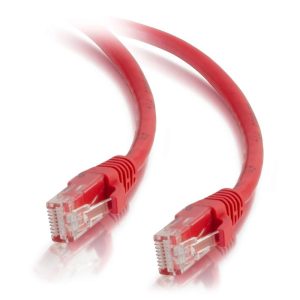
 Câbles Cat5e
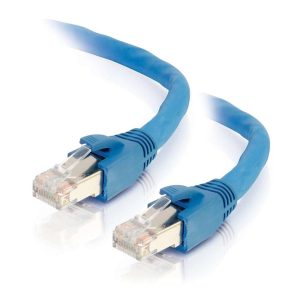 Câbles Cat6
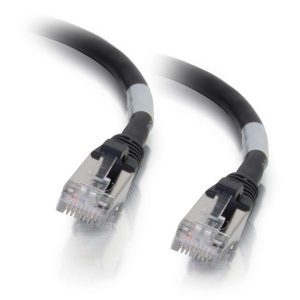 Câbles Cat6a
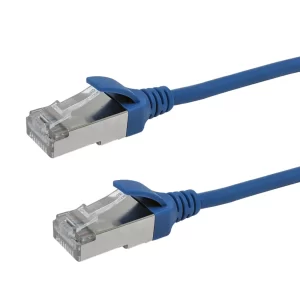 Câbles Cat8
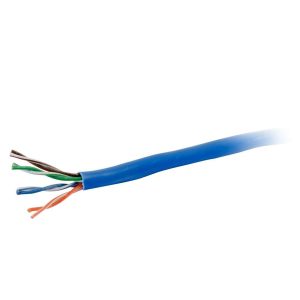 Câbles Ethernet en vrac
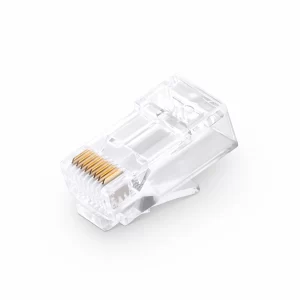 Connecteurs et prises
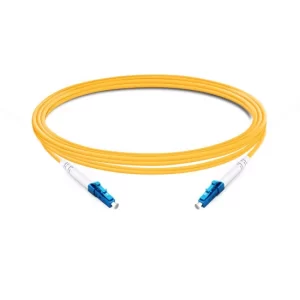 OS2 Singlemode Simplex
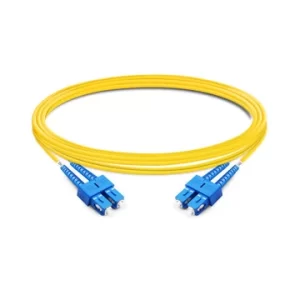 OS2 Singlemode Duplex
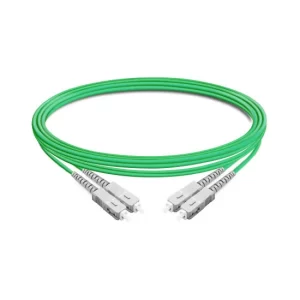 OM5 Multimode
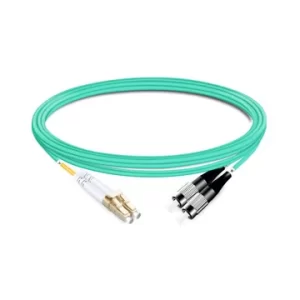 OM4 Multimode
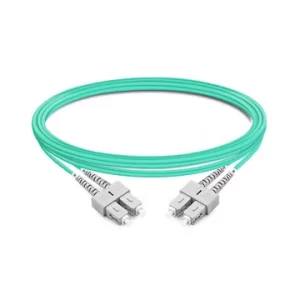 OM3 Multimode
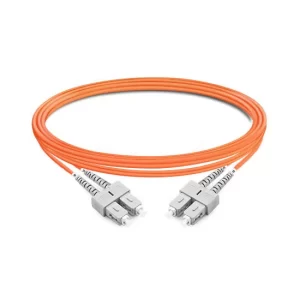 OM2 Multimode
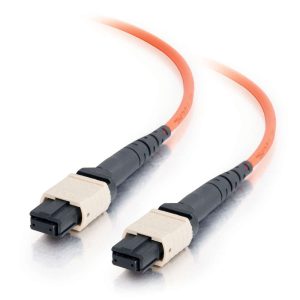 Câbles MTP/MPO
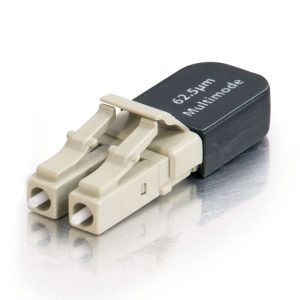 Connectivité par fibre optique
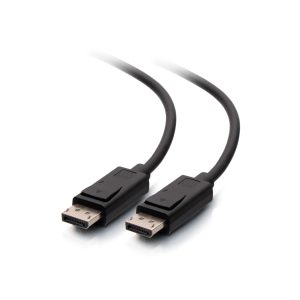 Câbles DisplayPort
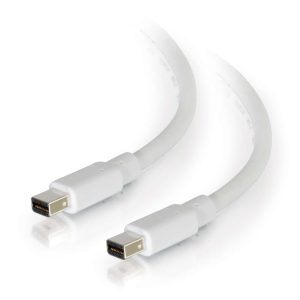 Câbles Mini DisplayPort
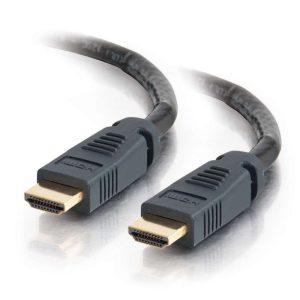 Câbles HDMI
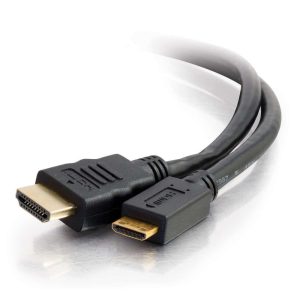 Câbles mini/micro HDMI
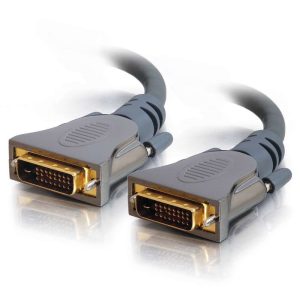 Câbles DVI
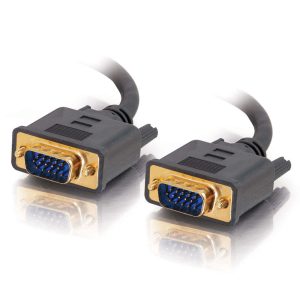 Câbles VGA
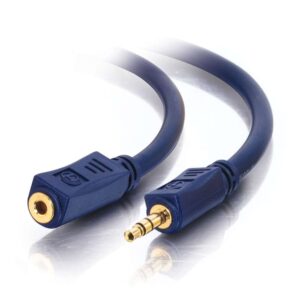 Câbles audio
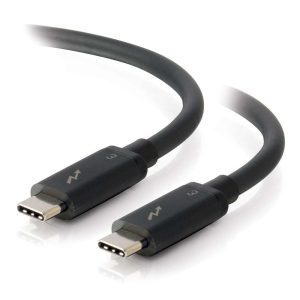 Câbles Thunderbolt
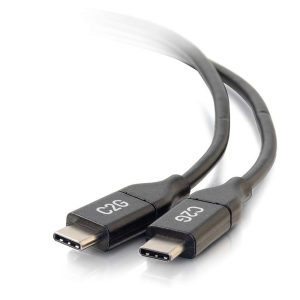 Câbles USB-C
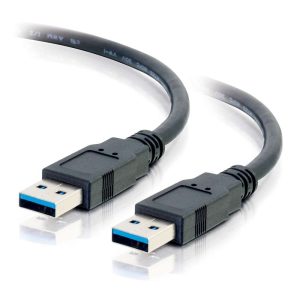 Câbles USB 3.0
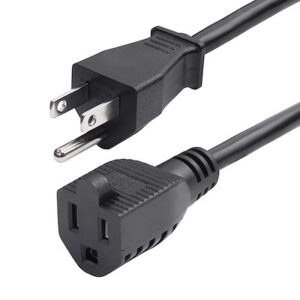 Câbles d'alimentation
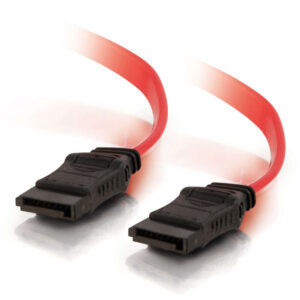 Câbles SATA
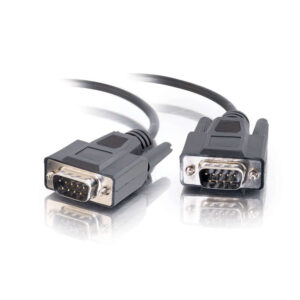 Câbles série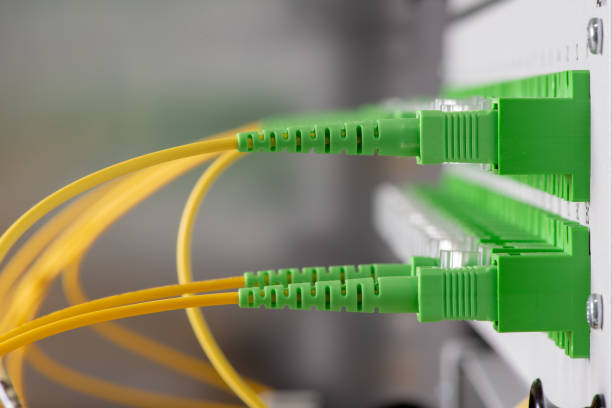
OS2 Singlemode Simplex and OS2 Singlemode Duplex are two common types of single-mode fiber optic cables, with core differences in fiber count, transmission direction, and application scenarios. Below is a clear, technical comparison:
1. Core Definition & Fiber Structure
| Feature | OS2 Singlemode Simplex | OS2 Singlemode Duplex |
| Fiber Count | 1 single-mode fiber core (OS2 standard: 9/125μm, low water peak, supports 1310nm/1550nm wavelengths) | 2 single-mode fiber cores (two independent 9/125μm OS2 fibers) |
| Physical Design | Single core + cladding + coating + jacket (no paired structure) | Two cores bundled in one jacket (often color-coded: e.g., blue/orange for differentiation) |
| Transmission Direction | Unidirectional (only one way for signal transmission) | Bidirectional (one core for Tx (transmit), one for Rx (receive)) |
2. Key Differences (Technical & Practical)
A. Transmission Capability
- Simplex: Only supports one-way data flow. For example, if you need to send data from Device A to Device B, you need a separate simplex cable to send data back from B to A (two simplex cables total for full duplex).
- Duplex: Native bidirectional transmission. The two cores work in pairs (Tx/Rx), enabling two-way communication with a single cable.
B. Connector Configuration
- Simplex: Uses single-fiber connectors (e.g., SC simplex, LC simplex) – only one ferrule (fiber core) in the connector.
- Duplex: Uses duplex connectors (e.g., SC duplex, LC duplex) – two ferrules side-by-side, pre-configured for Tx/Rx pairing (no need to manually match two simplex cables).
C. Installation & Cost
- Simplex: Lower cost per core, but requires two cables for full duplex (more wiring, higher installation labor).
- Duplex: Higher upfront cost than a single simplex cable, but reduces wiring complexity (one cable for two-way communication) – more cost-effective for bidirectional links.
D. OS2-Specific Advantage (Common to Both)
OS2 is a low-water-peak single-mode fiber (compatible with ITU-T G.652.D standard), supporting:
- Wavelengths: 1310nm (traditional) + 1550nm (long-haul) + 1625nm (testing/extended bands).
- Longer transmission distances (up to 10km for 1Gbps, 40km+ for 10Gbps with amplifiers) compared to multimode fiber (OM1/OM2/OM3/OM4).
- Lower attenuation (signal loss) – ideal for high-speed, long-distance applications.
3. Typical Application Scenarios
| Cable Type | Use Cases |
| OS2 Singlemode Simplex | – One-way signal transmission (e.g., security cameras, broadcast feeds). – Backup links or point-to-point unidirectional data streams. – Environments where bidirectional communication is not required. |
| OS2 Singlemode Duplex | – Bidirectional high-speed networks (e.g., data centers, enterprise LAN/WAN, 5G base stations). – Fiber-to-the-Home (FTTH) GPON/EPON networks (ONT to OLT links). – Long-haul connections between routers, switches, or servers (1Gbps/10Gbps/40Gbps/100Gbps). |
Summary of Core Differences
| Aspect | OS2 Simplex | OS2 Duplex |
| Fiber Cores | 1 (unidirectional) | 2 (bidirectional: Tx/Rx pair) |
| Communication Mode | One-way (full duplex needs 2 cables) | Two-way (single cable for full duplex) |
| Connector | Simplex (single ferrule) | Duplex (dual ferrule) |
| Best For | Unidirectional, low-cost links | Bidirectional, high-speed/long-haul networks |
In short: Choose OS2 Simplex for one-way transmission or cost-sensitive unidirectional links; choose OS2 Duplex for bidirectional, high-performance networks (the most common choice for modern fiber optic infrastructure).