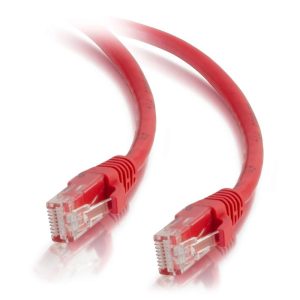
 Câbles Cat5e
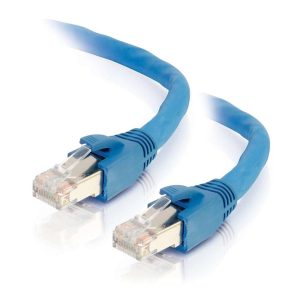 Câbles Cat6
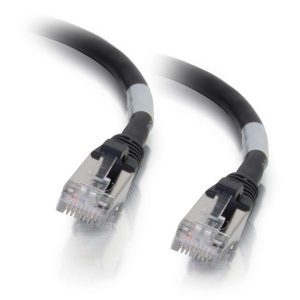 Câbles Cat6a
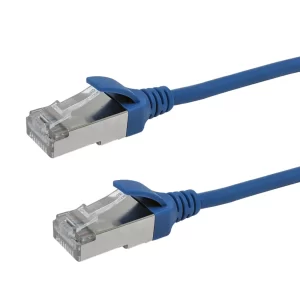 Câbles Cat8
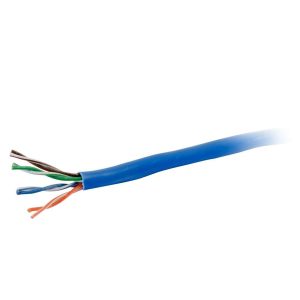 Câbles Ethernet en vrac
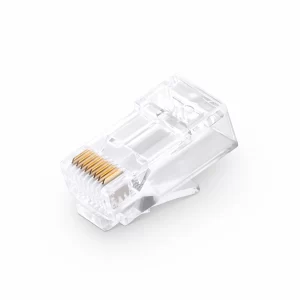 Connecteurs et prises
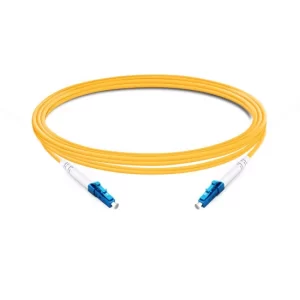 OS2 Singlemode Simplex
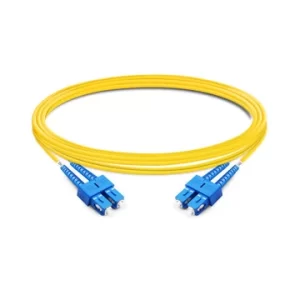 OS2 Duplex monomode
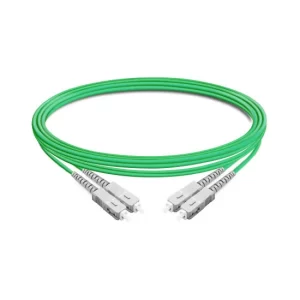 OM5 Multimode
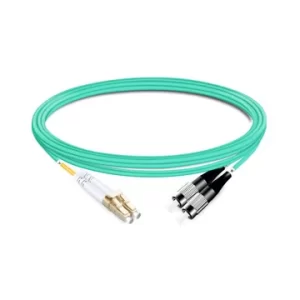 OM4 Multimode
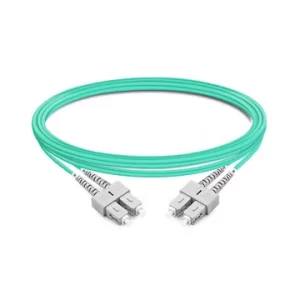 OM3 Multimode
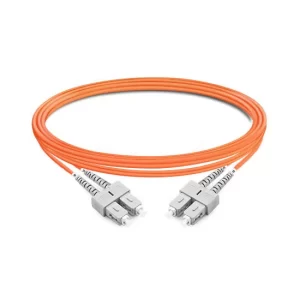 OM2 Multimode
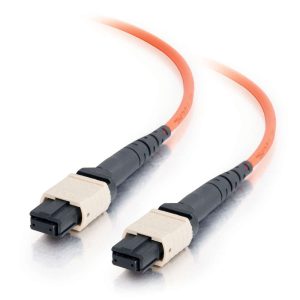 Câbles MTP/MPO
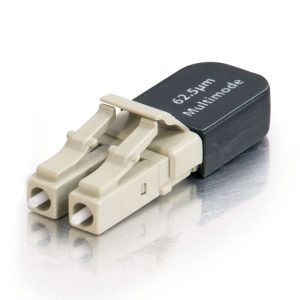 Connectivité par fibre optique
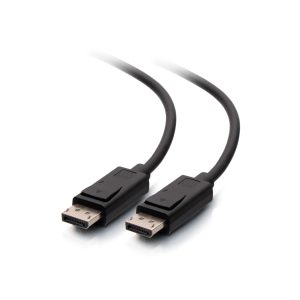 Câbles DisplayPort
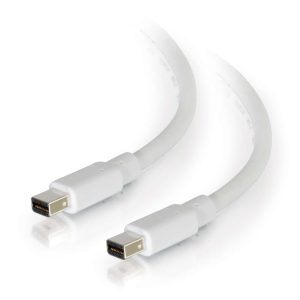 Câbles Mini DisplayPort
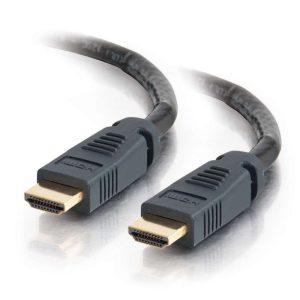 Câbles HDMI
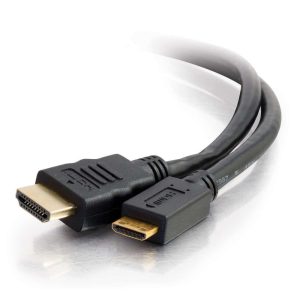 Câbles mini/micro HDMI
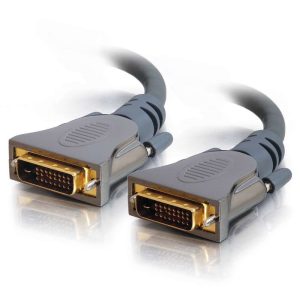 Câbles DVI
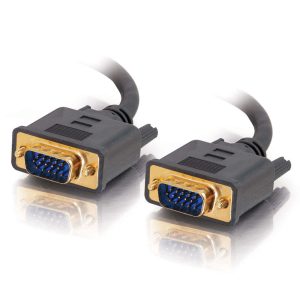 Câbles VGA
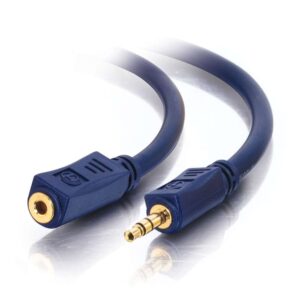 Câbles audio
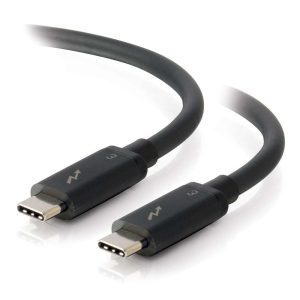 Câbles Thunderbolt
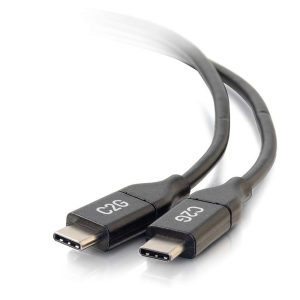 Câbles USB-C
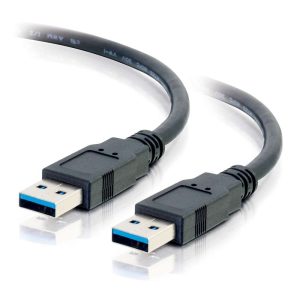 Câbles USB 3.0
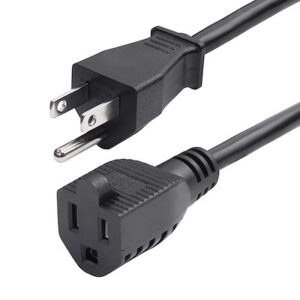 Câbles d'alimentation
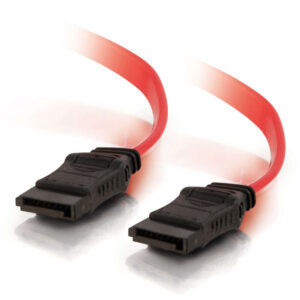 Câbles SATA
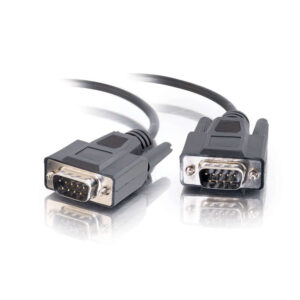 Câbles série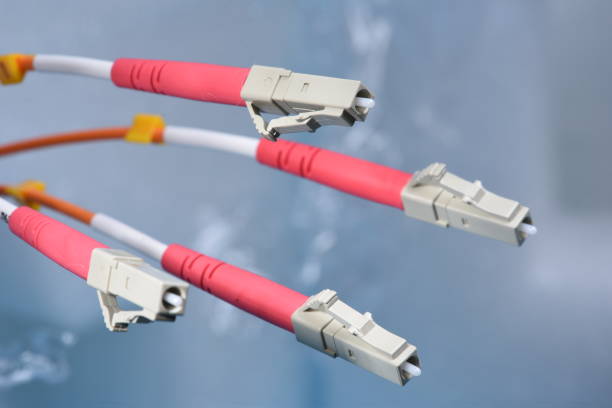
OM1 to OM5 are all multimode optical fibers compliant with the ISO 11810 standard, evolving progressively through technological iterations. Their core differences lie in bandwidth, transmission performance, and application scenarios, catering to diverse short-distance transmission needs—from low-speed local area networks (LANs) to high-speed data centers. Below is a detailed overview:
OM1
As an early-generation multimode fiber, it features a 62.5μm core diameter and is typically jacketed in orange. With a bandwidth of 200 MHz·km, it uses LED light sources and only supports Ethernet speeds below 10 Gbps, primarily for Fast Ethernet (100 Mbps) applications. OM1 offers strong light-gathering capability and good bend resistance but suffers from significant modal dispersion. At 1 Gbps, it supports a transmission distance of approximately 275 meters. Today, it is mainly used in legacy LANs, building internal wiring, and other low-speed, short-distance scenarios.
OM2
An improved version of OM1, OM2 retains the orange jacket but reduces the core diameter to 50μm. Its bandwidth is enhanced to 500 MHz·km, still compatible with LED light sources, and is designed for Gigabit Ethernet (1 Gbps) and below. By reducing the core size, OM2 minimizes modal dispersion compared to OM1—supporting up to 550 meters at 1 Gbps. It also costs about one-third less to manufacture, making it a popular choice for medium-speed network cabling in small and medium-sized enterprises (SMEs).
OM3
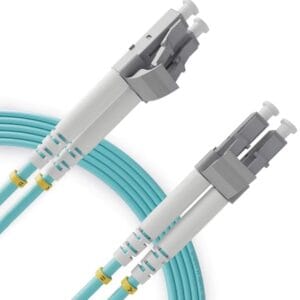
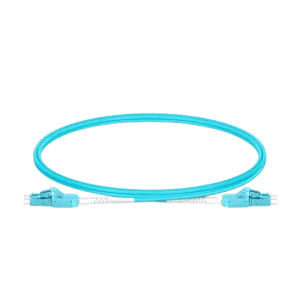
Also known as 10G multimode fiber, OM3 is laser-optimized with a 50μm core and a aqua (light blue) jacket. It abandons LED sources in favor of 850nm VCSEL (Vertical-Cavity Surface-Emitting Laser) light sources, boasting a bandwidth of 2000 MHz·km. It supports Ethernet speeds up to 100 Gbps and is the mainstream choice for 10G Ethernet. At 10 Gbps, OM3 transmits up to 300 meters; at 40 Gbps/100 Gbps, it reaches 100 meters. It is widely used in basic cabling for data centers requiring high transmission speeds.
OM4
An upgraded variant of OM3, OM4 shares the same aqua jacket and is fully backward-compatible with OM3. Its bandwidth is increased to 4700 MHz·km, maintaining compatibility with VCSEL light sources while delivering significantly improved transmission performance. At 10 Gbps, it supports up to 550 meters—matching OM2’s 1 Gbps distance—and extends to 150 meters at 40 Gbps/100 Gbps (surpassing OM3). OM4 is ideal for high-end data centers with strict bandwidth and distance requirements, enabling high-speed data exchange between large-scale equipment.
OM5
The latest generation of multimode fiber, OM5 features a 50μm core and a lime green jacket, with full compatibility with OM4. It offers an ultra-high bandwidth of 28,000 MHz·km and supports a wide wavelength range (850–950 nm), making it suitable for Short-Wavelength Division Multiplexing (SWDM) technology. At 10 Gbps, its transmission distance is comparable to OM4; at 40 Gbps, it reaches up to 440 meters. OM5 can support 40 Gbps, 100 Gbps, and even higher speeds with fewer fibers. With lower costs and power consumption than single-mode fiber, it is the preferred solution for hyperscale data centers upgrading to 100 Gbps/400 Gbps high-speed networks.