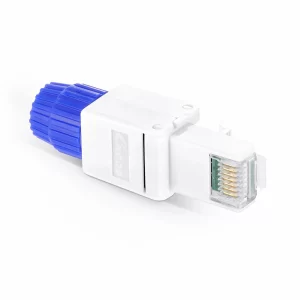
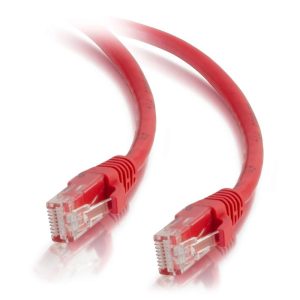
 Cat5e Cables
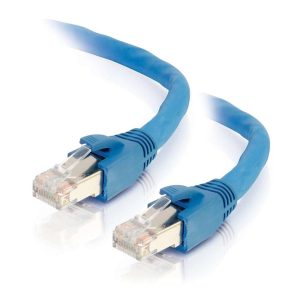 Cat6 Cables
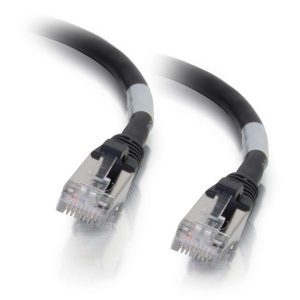 Cat6a Cables
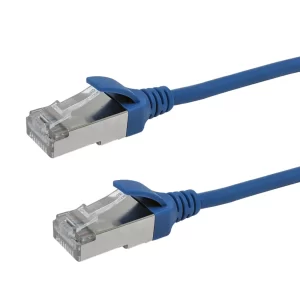 Cat8 Cables
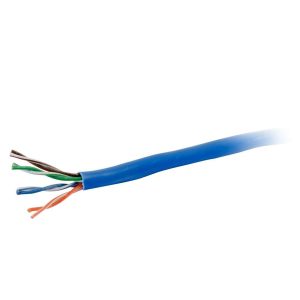 Bulk Ethernet Cables
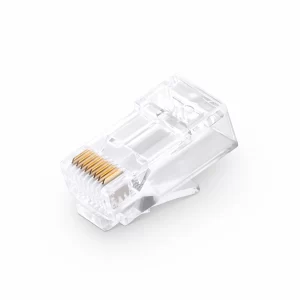 Connectors & Jacks
 OS2 Singlemode Simplex
 OS2 Singlemode Duplex
 OM5 Multimode
 OM4 Multimode
 OM3 Multimode
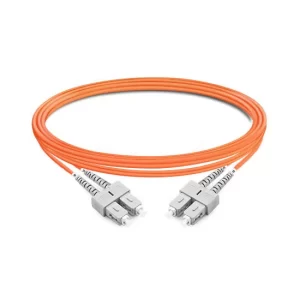 OM2 Multimode
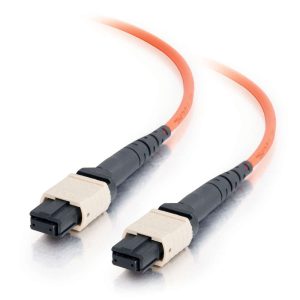 MTP/MPO Cables
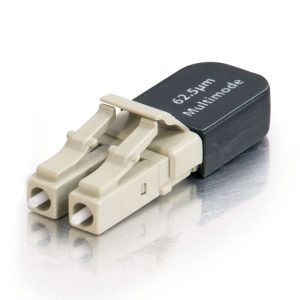 Fiber Optic Connectivity
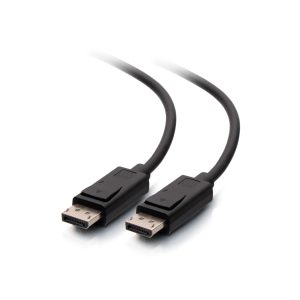 DisplayPort Cables
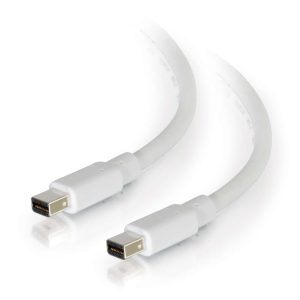 Mini DisplayPort Cables
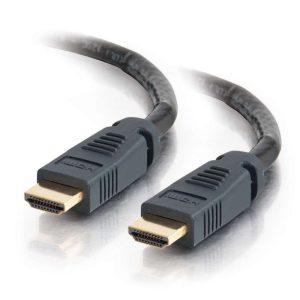 HDMI Cables
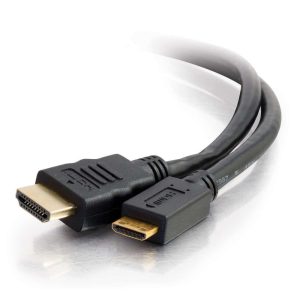 HDMI Mini/Micro Cables
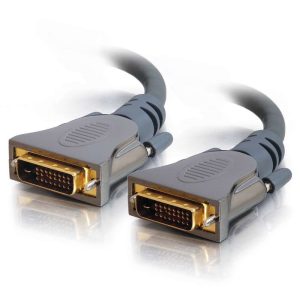 DVI Cables
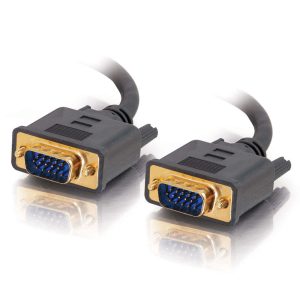 VGA Cables
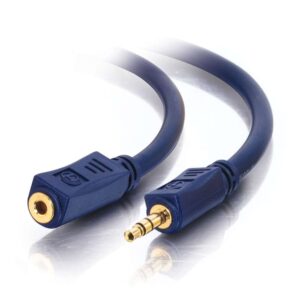 Audio Cables
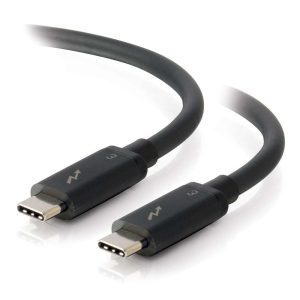 Thunderbolt Cables
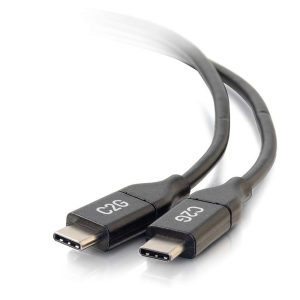 USB-C Cables
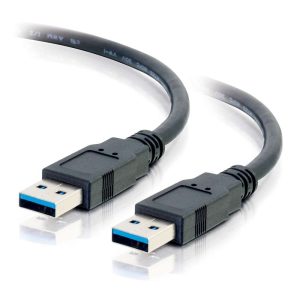 USB 3.0 Cables
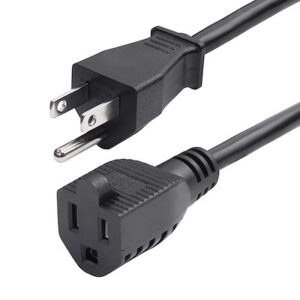 Power Cables
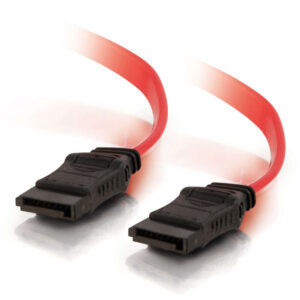 SATA Cables
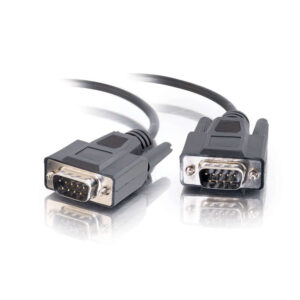 Serial Cables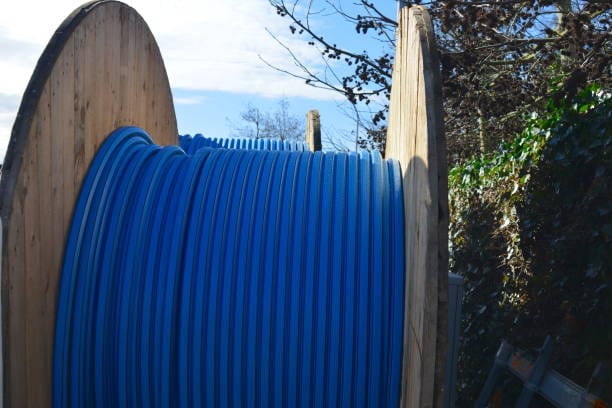
In today’s connected world, outdoor networking projects demand robust, durable solutions that can withstand harsh weather, resist interference, and scale with your needs. Whether you’re connecting two buildings, setting up a security camera system, powering a garden office, or expanding a commercial network, bulk external Ethernet cables are the backbone of reliable outdoor connectivity. Sold in spools (typically 305m/1000ft) or large boxes, these cables offer unmatched flexibility for custom runs while reducing waste compared to pre-terminated patch cords.
But with so many categories, shielding options, and environmental ratings on the market, choosing the right bulk external Ethernet cable can feel overwhelming. This guide breaks down everything you need to know—from core specifications to installation best practices—to help you select the perfect cable for your project, avoid costly mistakes, and future-proof your network.
1. Understand the Core Categories: Match Speed, Distance, and Bandwidth
The first step in choosing a bulk external Ethernet cable is identifying your speed and distance requirements. Ethernet cable categories (Cat) define maximum data rates, bandwidth, and signal integrity, with each iteration building on the previous one. Below is a breakdown of the most common outdoor-grade categories and their use cases:
| Category | Max Speed (Distance) | Bandwidth | Key Benefits | Ideal For |
|---|---|---|---|---|
| Cat5e | 1 Gbps (100m) | 100 MHz | Budget-friendly, reliable Gigabit performance, backward compatible | Basic home networks, IP cameras, printers, small office setups |
| Cat6 | 1 Gbps (100m); 10 Gbps (≤55m) | 250 MHz | Reduced crosstalk, supports high-bandwidth tasks | HD video streaming, VoIP, small business networks, short-range 10G links |
| Cat6a | 10 Gbps (100m) | 500 MHz | Enhanced shielding, full 10G over full length | Data centers, multi-building campuses, 4K/8K video, high-density installations |
| Cat7 | 10 Gbps (100m); 40 Gbps (≤50m) | 600 MHz | Maximum shielding (S/FTP), industrial-grade interference resistance | Harsh EMI environments, server backbones, mission-critical links |
| Cat8 | 25–40 Gbps (≤30m) | 2000 MHz | Ultra-high speed, low latency | Data center interconnections, short-haul high-performance links (specialized use) |
Pro Tip: For most outdoor projects, Cat6 or Cat6a strike the best balance between cost, performance, and future-proofing. Cat5e is sufficient for basic 1G needs, while Cat6a is worth the investment for 10G connectivity over full 100m runs.
2. Prioritize Outdoor Durability: Jackets and Environmental Ratings
Outdoor cables face unique challenges: UV radiation, rain/snow, extreme temperatures, moisture, and even rodent damage. Unlike indoor cables (which use PVC jackets), external Ethernet cables require specialized construction to survive. Here’s what to look for:
Key Jacket Features
- Dual-Layer PVC/LDPE: Most outdoor cables use a double-layer jacket (PVC for flexibility, LDPE for UV resistance) to prevent cracking, brittling, and water intrusion.
- Gel-Filled Cores: For direct-burial applications, gel filling repels water and prevents corrosion inside the cable.
- UV Stabilizers: Explicitly labeled “UV-resistant” to withstand prolonged sun exposure (critical for aerial or above-ground runs).
- Rodent-Resistant Armoring: Steel wire armoring (SWA) protects against rodents and mechanical damage in ground or wall runs.
Environmental Ratings
- Outdoor (O): General outdoor rating for above-ground use (e.g., wall mounting, pole mounting).
- Direct Burial (DB): Designed for underground installation with enhanced water resistance and physical protection.
- Temperature Range: Look for cables rated for -40°C to +70°C to handle extreme climates.
Avoid This Mistake: Never use indoor Ethernet cables outdoors. Their PVC jackets degrade rapidly in sunlight, leading to signal loss, water damage, and premature failure.
3. Shielding: Protect Against Interference for Stable Signals
Electromagnetic interference (EMI) and radio frequency interference (RFI) from power lines, machinery, or other cables can degrade signal quality and cause dropouts. Shielding is critical for outdoor installations, especially in industrial or urban environments. The main shielding types are:
| Shielding Type | Acronym | Protection Level | Best For |
|---|---|---|---|
| Unshielded Twisted Pair | UTP | Basic (no physical shield) | Low-interference environments (residential, small offices) |
| Foiled/Unshielded Twisted Pair | F/UTP | Partial (foil around all pairs) | Moderate interference (urban areas, near low-voltage power) |
| Shielded Twisted Pair | STP | Full (braided shield + foil) | High-interference environments (industrial sites, near transformers) |
| Shielded/Foiled Twisted Pair | S/FTP | Maximum (individual pair foil + overall braid) | Severe EMI/RFI (data centers, manufacturing facilities) |
Pro Tip: For outdoor projects near power lines or heavy machinery, choose S/FTP shielding to eliminate interference. For most residential/commercial setups, F/UTP provides reliable protection at a lower cost than full S/FTP.
4. Conductor Quality: The Foundation of Reliable Performance
The conductors inside your bulk external Ethernet cable determine signal clarity and durability. Two types are common:
- Oxygen-Free Copper (OFC): The gold standard—100% pure copper with minimal impurities, ensuring low resistance, consistent signal transmission, and long lifespan. Look for cables labeled “bare copper” (BC) or “OFC”.
- Copper-Clad Aluminum (CCA): Cheaper alternative with aluminum cores and copper plating. While conductive, CCA has higher resistance, leading to signal loss over long runs and reduced durability (avoid for outdoor/long-distance use).
AWG Gauge: Most external cables use 23–24 AWG (American Wire Gauge) for balance between flexibility and signal quality. Thicker 23 AWG conductors offer better performance for long runs, while 24 AWG is more flexible for tight spaces.
5. PoE Support: Power Your Outdoor Devices Efficiently
Many outdoor devices—IP cameras, wireless access points (WAPs), outdoor routers, and access control systems—use Power over Ethernet (PoE) to eliminate separate power cables. Ensure your bulk external Ethernet cable supports PoE:
- PoE Types: Cat5e/6 support PoE Type 1 (15.4W) and Type 2 (30W) (for high-power devices like PTZ cameras).
- PoE+ Compatibility: Cat6a/7/8 support higher PoE budgets, making them ideal for multi-PoE device installations.
Pro Tip: For PoE-powered outdoor setups, choose a direct-burial Cat6a cable to ensure both power and data reliability over long runs.
6. Installation Considerations: Match Cable to Your Setup
Bulk external Ethernet cables are designed for specific installation methods. Choose the right type based on how you’ll run the cable:
| Installation Method | Cable Type | Key Features |
|---|---|---|
| Aerial (Pole/Wall) | Outdoor-rated UTP/STP | UV-stabilized jacket, lightweight for hanging |
| Direct Burial | Gel-filled outdoor cable | Waterproof, rodent-resistant, armored options |
| Underground Ducts | Gel-filled outdoor cable | Protected from moisture and soil abrasion |
| Industrial Sites | Armored S/FTP cable | Resists chemicals, heavy machinery, and EMI |
Pro Tip: For aerial runs, use a messenger wire to support the cable and prevent sagging (critical for long spans). For direct burial, bury the cable at least 60cm (24 inches) deep to avoid damage from digging or frost.
7. Avoid Common Mistakes: Save Time and Money
Even experienced installers make mistakes with bulk external Ethernet cables. Here’s how to avoid them:
- Ignoring UV Resistance: Indoor cables degrade in sunlight—always choose outdoor-rated jackets.
- Underestimating Distance: Cat6’s 10G speed drops off after 55m—use Cat6a for 10G over full 100m runs.
- Skipping Shielding: In high-EMI areas, unshielded cables will suffer signal loss—invest in STP/SFTP.
- Choosing CCA Conductors: Cheaper CCA cables fail faster in outdoor conditions—stick to OFC.
- Overlooking PoE Needs: For IP cameras/WAPs, ensure your cable supports PoE Type 2 (30W).
8. Top Bulk External Ethernet Cable Recommendations for 2026
Based on performance, durability, and value, here are our top picks for common outdoor projects:
1. Budget-Friendly: Cat5e Outdoor UTP (24 AWG, BC)
- Best For: Basic 1G networks, IP cameras, small home/garden setups
- Key Features: UV-resistant PVC/LDPE jacket, gel-filled core (burial-ready), 100m 1G speed
- Why Choose It: Affordable, reliable, and backward compatible with older hardware.
2. All-Purpose Workhorse: Cat6 Outdoor STP (23 AWG, BC)
- Best For: Small businesses, multi-device setups, short-range 10G links
- Key Features: Reduced crosstalk, STP shielding, UV resistance, PoE Type 2 support
- Why Choose It: Balances performance and cost, ideal for most outdoor commercial/residential projects.
3. Future-Proofed: Cat6a Outdoor S/FTP (23 AWG, BC)
- Best For: Multi-building campuses, data centers, 4K/8K video, long 10G runs
- Key Features: 500MHz bandwidth, full 10G over 100m, S/FTP shielding, armored options
- Why Choose It: The most versatile outdoor cable for 2026 and beyond, supporting emerging high-bandwidth applications.
4. Industrial-Grade: Cat7 Armored S/FTP (23 AWG, BC)
- Best For: Manufacturing facilities, near power lines, high-EMI environments
- Key Features: Maximum shielding, steel armoring, -40°C to +70°C temperature range
- Why Choose It: Unmatched protection against interference and physical damage.
9. Final Tips for Installation and Maintenance
- Measure Twice, Cut Once: Add 1–1.5m (3–5ft) to your measured run for termination and flexibility—avoid overcutting.
- Use Quality Connectors: Invest in outdoor-rated RJ45 connectors (waterproof, UV-resistant) for terminations.
- Label Your Cables: Mark each end of the run for easy identification during maintenance.
- Test the Connection: After installation, use a cable tester to verify signal integrity and PoE delivery.
- Inspect Regularly: Check for damage (rodent bites, jacket cracks) at least twice a year—repair or replace damaged sections promptly.
Conclusion: Choose Smart, Build to Last
Selecting the right bulk external Ethernet cable isn’t just about picking the “fastest” or “most expensive” option—it’s about matching your project’s specific needs to the cable’s capabilities. For most outdoor users, Cat6 or Cat6a with outdoor-rated jackets and appropriate shielding will deliver reliable performance for years. For high-interference or industrial setups, Cat7’s armored S/FTP design provides unbeatable protection.
By prioritizing durability, shielding, and PoE support, you’ll build a network that withstands the elements, scales with your needs, and avoids the cost of premature replacements. Whether you’re a professional installer or a DIY enthusiast, this guide will help you make an informed decision and ensure your outdoor connectivity project is a success.
Ready to start your project? Use the tips above to select the perfect bulk external Ethernet cable, and enjoy stable, reliable outdoor networking for years to come.