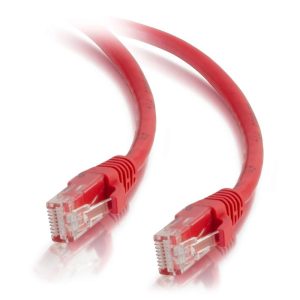
 Cat5e Cables
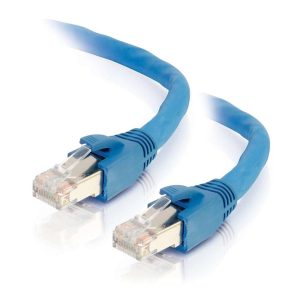 Cat6 Cables
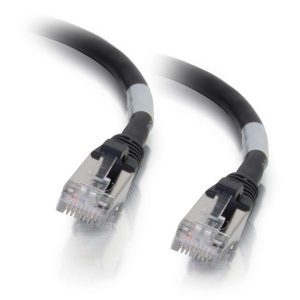 Cat6a Cables
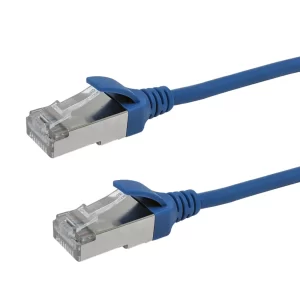 Cat8 Cables
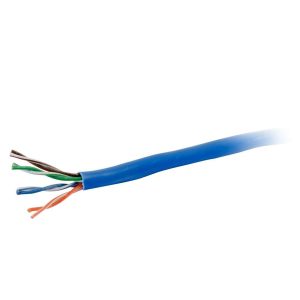 Bulk Ethernet Cables
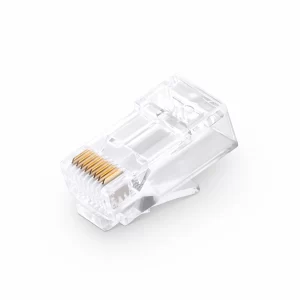 Connectors & Jacks
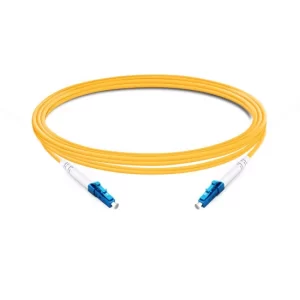 OS2 Singlemode Simplex
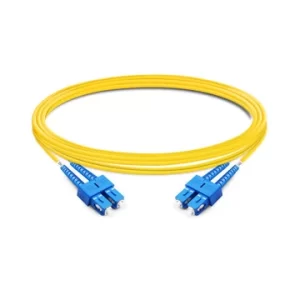 OS2 Singlemode Duplex
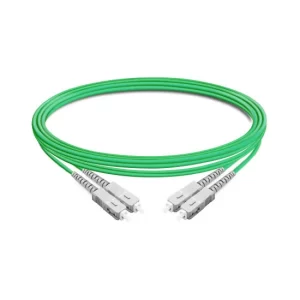 OM5 Multimode
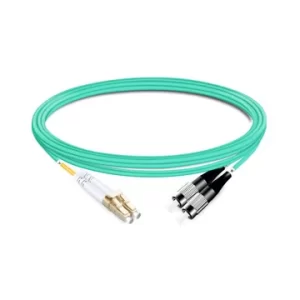 OM4 Multimode
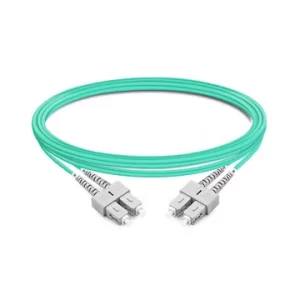 OM3 Multimode
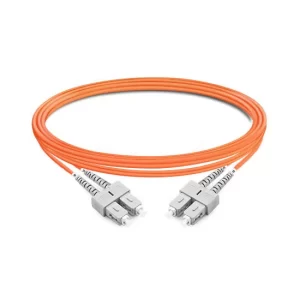 OM2 Multimode
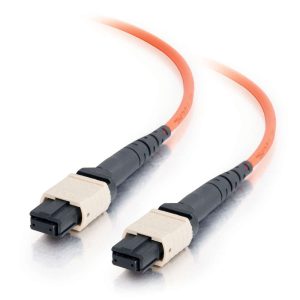 MTP/MPO Cables
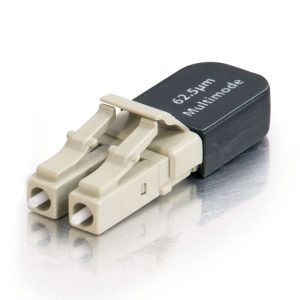 Fiber Optic Connectivity
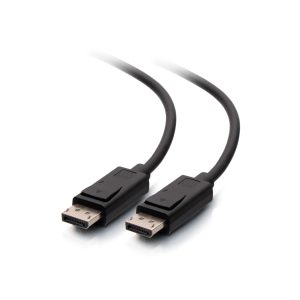 DisplayPort Cables
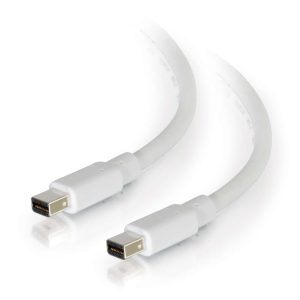 Mini DisplayPort Cables
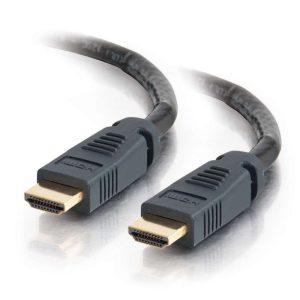 HDMI Cables
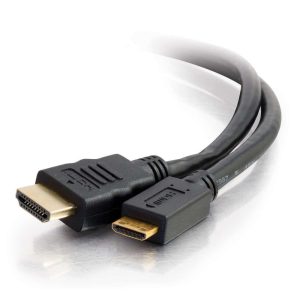 HDMI Mini/Micro Cables
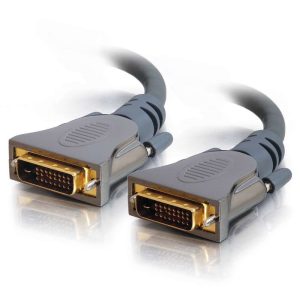 DVI Cables
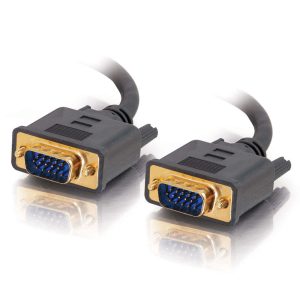 VGA Cables
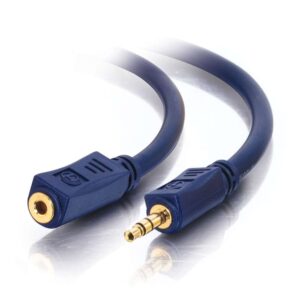 Audio Cables
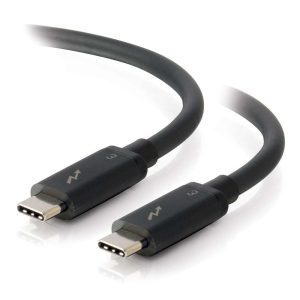 Thunderbolt Cables
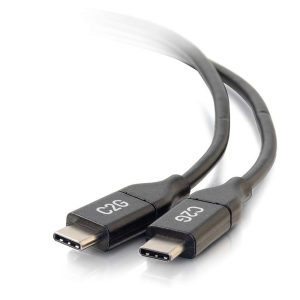 USB-C Cables
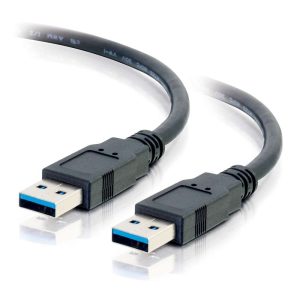 USB 3.0 Cables
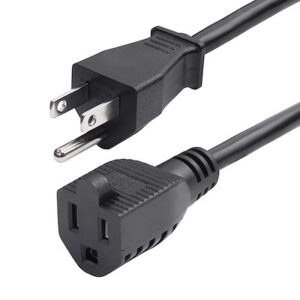 Power Cables
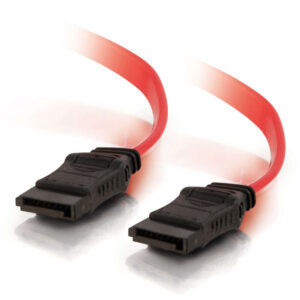 SATA Cables
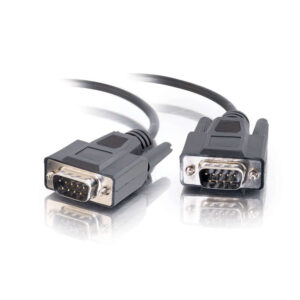 Serial Cables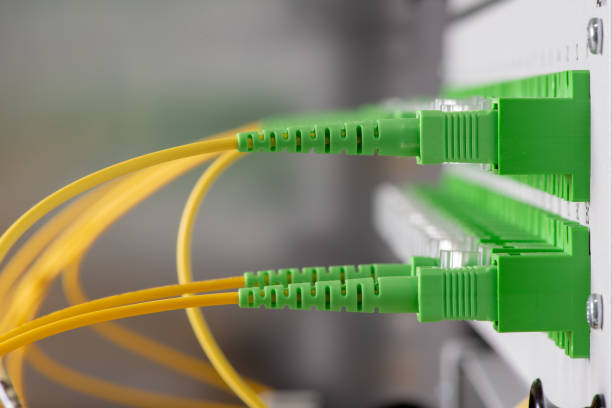
OS2 Singlemode Simplex and OS2 Singlemode Duplex are two common types of single-mode fiber optic cables, with core differences in fiber count, transmission direction, and application scenarios. Below is a clear, technical comparison:
1. Core Definition & Fiber Structure
| Feature | OS2 Singlemode Simplex | OS2 Singlemode Duplex |
| Fiber Count | 1 single-mode fiber core (OS2 standard: 9/125μm, low water peak, supports 1310nm/1550nm wavelengths) | 2 single-mode fiber cores (two independent 9/125μm OS2 fibers) |
| Physical Design | Single core + cladding + coating + jacket (no paired structure) | Two cores bundled in one jacket (often color-coded: e.g., blue/orange for differentiation) |
| Transmission Direction | Unidirectional (only one way for signal transmission) | Bidirectional (one core for Tx (transmit), one for Rx (receive)) |
2. Key Differences (Technical & Practical)
A. Transmission Capability
- Simplex: Only supports one-way data flow. For example, if you need to send data from Device A to Device B, you need a separate simplex cable to send data back from B to A (two simplex cables total for full duplex).
- Duplex: Native bidirectional transmission. The two cores work in pairs (Tx/Rx), enabling two-way communication with a single cable.
B. Connector Configuration
- Simplex: Uses single-fiber connectors (e.g., SC simplex, LC simplex) – only one ferrule (fiber core) in the connector.
- Duplex: Uses duplex connectors (e.g., SC duplex, LC duplex) – two ferrules side-by-side, pre-configured for Tx/Rx pairing (no need to manually match two simplex cables).
C. Installation & Cost
- Simplex: Lower cost per core, but requires two cables for full duplex (more wiring, higher installation labor).
- Duplex: Higher upfront cost than a single simplex cable, but reduces wiring complexity (one cable for two-way communication) – more cost-effective for bidirectional links.
D. OS2-Specific Advantage (Common to Both)
OS2 is a low-water-peak single-mode fiber (compatible with ITU-T G.652.D standard), supporting:
- Wavelengths: 1310nm (traditional) + 1550nm (long-haul) + 1625nm (testing/extended bands).
- Longer transmission distances (up to 10km for 1Gbps, 40km+ for 10Gbps with amplifiers) compared to multimode fiber (OM1/OM2/OM3/OM4).
- Lower attenuation (signal loss) – ideal for high-speed, long-distance applications.
3. Typical Application Scenarios
| Cable Type | Use Cases |
| OS2 Singlemode Simplex | – One-way signal transmission (e.g., security cameras, broadcast feeds). – Backup links or point-to-point unidirectional data streams. – Environments where bidirectional communication is not required. |
| OS2 Singlemode Duplex | – Bidirectional high-speed networks (e.g., data centers, enterprise LAN/WAN, 5G base stations). – Fiber-to-the-Home (FTTH) GPON/EPON networks (ONT to OLT links). – Long-haul connections between routers, switches, or servers (1Gbps/10Gbps/40Gbps/100Gbps). |
Summary of Core Differences
| Aspect | OS2 Simplex | OS2 Duplex |
| Fiber Cores | 1 (unidirectional) | 2 (bidirectional: Tx/Rx pair) |
| Communication Mode | One-way (full duplex needs 2 cables) | Two-way (single cable for full duplex) |
| Connector | Simplex (single ferrule) | Duplex (dual ferrule) |
| Best For | Unidirectional, low-cost links | Bidirectional, high-speed/long-haul networks |
In short: Choose OS2 Simplex for one-way transmission or cost-sensitive unidirectional links; choose OS2 Duplex for bidirectional, high-performance networks (the most common choice for modern fiber optic infrastructure).