 Câbles Cat5e
 Câbles Cat6
 Câbles Cat6a
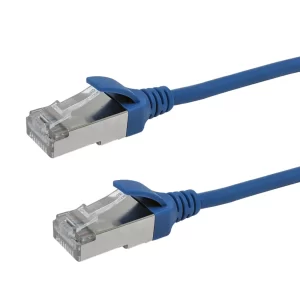 Câbles Cat8
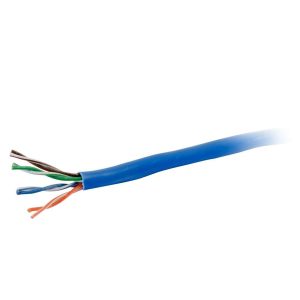 Câbles Ethernet en vrac
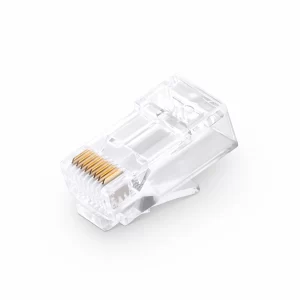 Connecteurs et prises
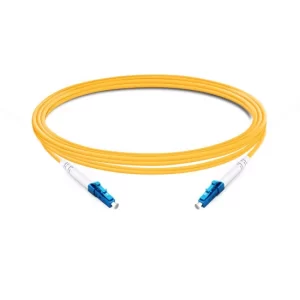 OS2 Singlemode Simplex
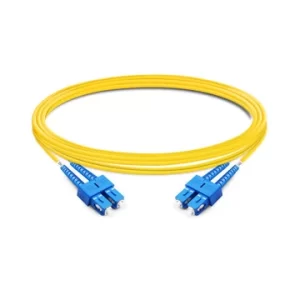 OS2 Duplex monomode
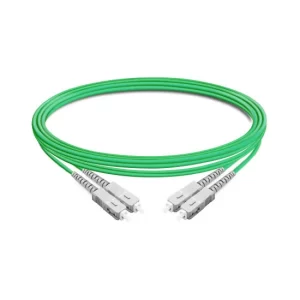 OM5 Multimode
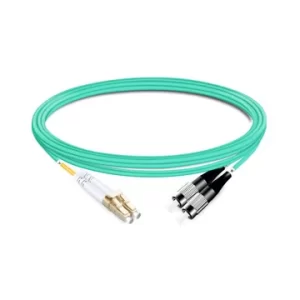 OM4 Multimode
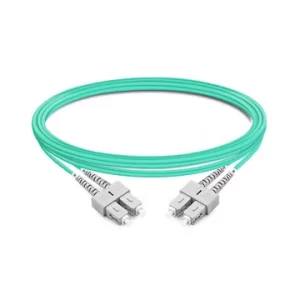 OM3 Multimode
 OM2 Multimode
 Câbles MTP/MPO
 Connectivité par fibre optique
 Câbles DisplayPort
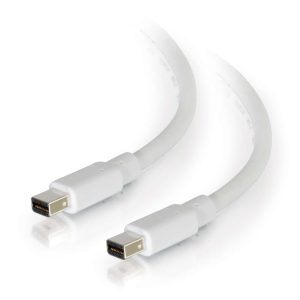 Câbles Mini DisplayPort
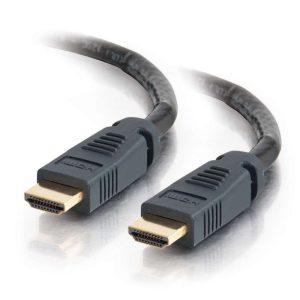 Câbles HDMI
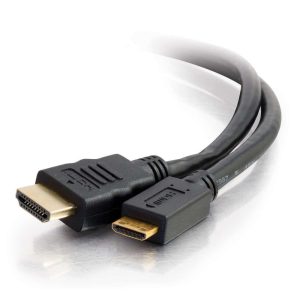 Câbles mini/micro HDMI
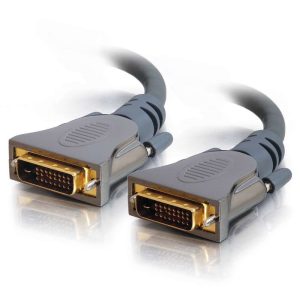 Câbles DVI
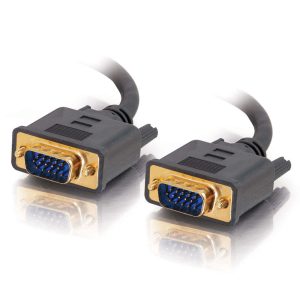 Câbles VGA
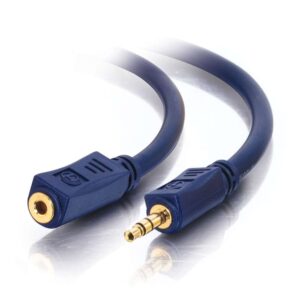 Câbles audio
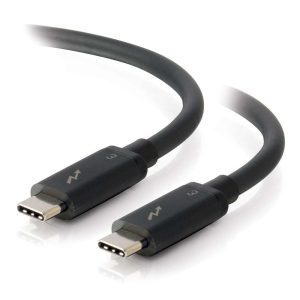 Câbles Thunderbolt
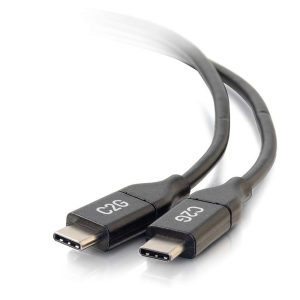 Câbles USB-C
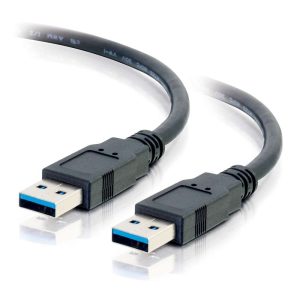 Câbles USB 3.0
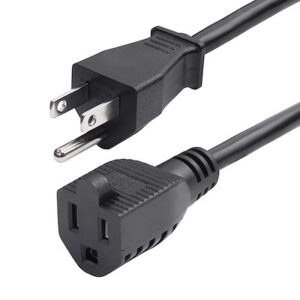 Câbles d'alimentation
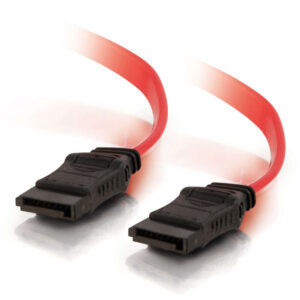 Câbles SATA
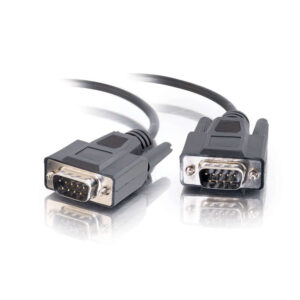 Câbles série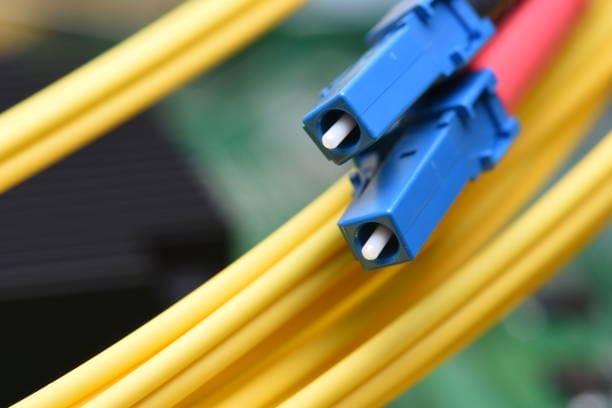
In an era dominated by 5G, cloud computing, IoT, and hyper-connected data centers, we often praise high-end servers, cutting-edge network switches, and advanced fiber optic transmission equipment. Yet few people stop to notice one tiny but mission-critical component: the fiber optic patch cable. Often overlooked as a “simple connecting accessory,” this compact, connector-terminated cable is the silent bridge that keeps entire networks running smoothly, delivering ultra-fast, stable data transmission across every corner of modern digital infrastructure.
Whether you’re streaming 4K video, accessing cloud-based work files, managing real-time industrial data, or running a global data center network, fiber optic patch cables are working behind the scenes. Today, we’re breaking down everything you need to know about these essential networking components—from their core structure and key classifications to practical selection tips and real-world applications.
What Exactly Is a Fiber Optic Patch Cable?
Also referred to as a fiber patch cord or fiber jumper, a fiber optic patch cable is a pre-terminated fiber assembly with fiber connectors securely fitted on both ends, designed for flexible, plug-and-play connections between optical network devices. Unlike long-haul backbone fiber cabling, patch cables are typically short-length (ranging from a few inches to dozens of meters) and built for intra-device, rack-to-rack, or equipment-to-patch panel connections.
At its core, every fiber optic patch cable consists of three functional layers: the light-transmitting core, signal-reflective cladding, and protective outer jacket, reinforced with high-strength aramid yarn (Kevlar) to boost durability and bend resistance. The end connectors are precision-engineered to ensure minimal signal loss and stable physical connections, making the patch cable far more than just a length of fiber—it’s a precision optical component.
Core Classifications: Single-Mode vs. Multi-Mode Patch Cables
The biggest distinction between fiber optic patch cables lies in their transmission mode, which directly determines application scenarios, transmission distance, and bandwidth capacity. Understanding this difference is the first step to making the right selection.
1. Single-Mode Fiber (SMF) Patch Cables
Single-mode patch cables feature an ultra-narrow glass core (typically 9μm in diameter) that allows only one single light path to propagate. This design eliminates modal dispersion, enabling extremely long-distance, high-bandwidth signal transmission with negligible attenuation. Most single-mode patch cables come with a bright yellow outer jacket for quick identification.
Ideal Applications: Long-haul telecommunications, campus-wide networks, fiber-to-the-home (FTTH) deployments, metropolitan area networks, and cross-data-center interconnections.
2. Multi-Mode Fiber (MMF) Patch Cables
Multi-mode patch cables have a wider core (50μm or 62.5μm), supporting multiple light modes to travel simultaneously. While transmission distance is shorter compared to single-mode, they deliver exceptional performance for short-range, high-speed connections and are more cost-effective for local network setups. They follow standard color coding: orange for OM1/OM2, aqua for OM3/OM4, and lime green for the latest OM5 (wideband multi-mode) cables.
Ideal Applications: Data center server-switch connections, local area networks (LANs), office networking, industrial control systems, and short-distance device interconnections within equipment rooms.
Common Connector Types & Polishing Standards
Connectors are the “face” of fiber optic patch cables, and compatibility is non-negotiable for stable network performance. Different connectors vary in size, installation method, and application scenarios, with two mainstream polishing standards further optimizing signal quality:
Connectors are the “face” of fiber optic patch cables, and compatibility is non-negotiable for stable network performance. Different connectors vary in size, installation method, and application scenarios, with two mainstream polishing standards further optimizing signal quality:
Popular Connector Types
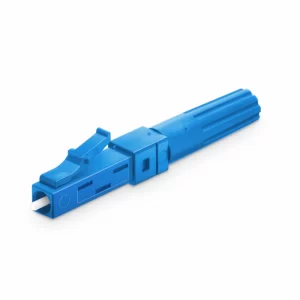
- LC Connector: Compact, lightweight, and latch-designed; the top choice for high-density data centers and modern network equipment, saving valuable rack space.
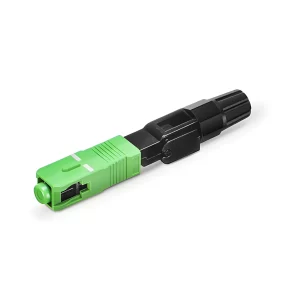
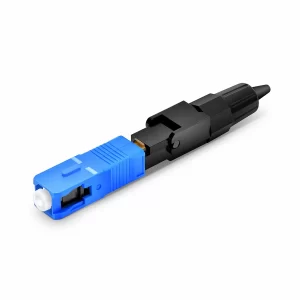
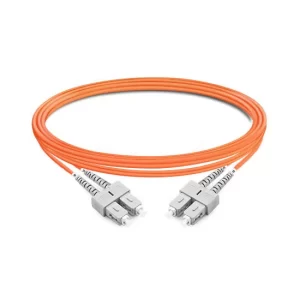
- SC Connector: Square, push-pull design with high stability; widely used in telecom systems, enterprise networks, and fiber distribution panels.
- ST Connector: Bayonet-style connector, rugged and durable; commonly found in legacy network systems and industrial environments.
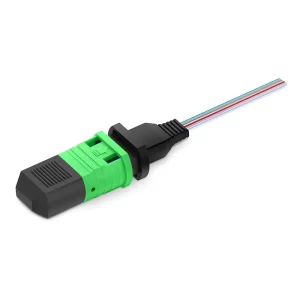
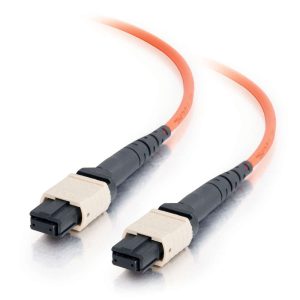
- MTP/MPO Connector: Multi-fiber push-on connector for high-density, high-speed applications (40G/100G/400G networks); ideal for large-scale data center cabling.
Key Polishing Standards
- UPC (Ultra Physical Contact): Flat-polished connector with low insertion loss; marked by a blue boot, suitable for most general networking scenarios.
- APC (Angled Physical Contact): 8-degree angled polishing to drastically reduce return signal reflection; marked by a green boot, perfect for high-precision applications like CATV, fiber sensing, and long-distance optical transmission.
Why Quality Fiber Optic Patch Cables Matter
It’s easy to underestimate patch cables and opt for low-cost, uncertified alternatives—but this is a costly mistake. A subpar patch cable can trigger signal loss, network latency, intermittent disconnections, and even full network outages, undermining the performance of even the most advanced network hardware.
Premium fiber optic patch cables are factory-tested to meet strict international standards (TIA/EIA, Telcordia GR-20), featuring low insertion loss, stable return loss, wear-resistant connectors, and flame-retardant, bend-insensitive jackets. They deliver consistent performance, reduce maintenance costs, and extend the overall lifespan of network infrastructure.
Practical Selection Guide for Every Scenario
Choosing the right fiber optic patch cable doesn’t have to be complicated. Follow these core rules to match your network needs perfectly:
- Assess Transmission Distance: Go single-mode for long-distance links; choose multi-mode for short-range, in-rack connections.
- Match Device Connectors: Always confirm port types on your switches, servers, or patch panels to avoid compatibility issues.
- Prioritize Bandwidth Needs: OM3/OM4/OM5 multi-mode cables support 10G/40G/100G high-speed networks; upgrade accordingly for future-proofing.
- Consider Environmental Factors: Use armored, industrial-grade patch cables for harsh environments; select LSZH jackets for indoor, public, or closed spaces for fire safety.
Wrapping Up
Fiber optic patch cables may be small in size, but their role in modern digital communication is irreplaceable. They are the quiet, reliable threads that weave together servers, switches, data centers, and end-user devices, powering the seamless connectivity we rely on every single day.
Next time you’re building, upgrading, or troubleshooting a network, don’t overlook these tiny components. Investing in high-quality, properly matched fiber optic patch cables is one of the most cost-effective ways to boost network stability, speed, and long-term scalability.
Got questions about selecting fiber patch cables for your specific project? Feel free to leave a comment below—we’re here to help you build a faster, more reliable network.