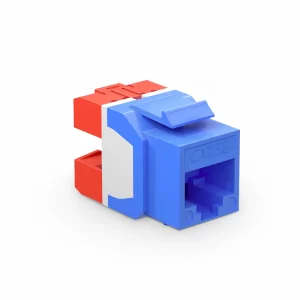
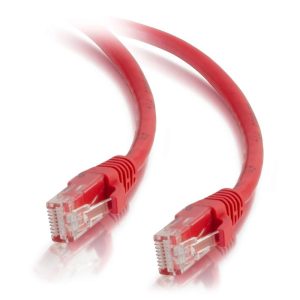
 Кабели Cat5e
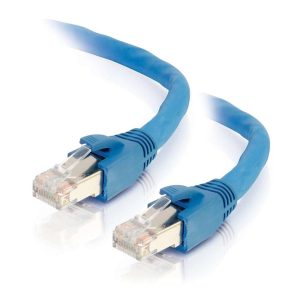 Кабели Cat6
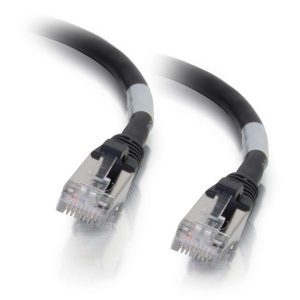 Кабели Cat6a
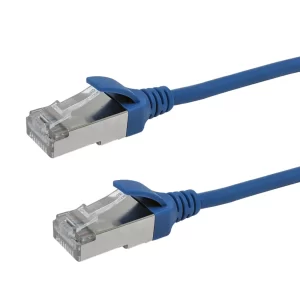 Кабели Cat8
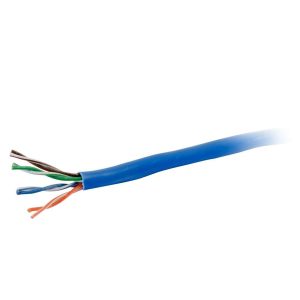 Объемные кабели Ethernet
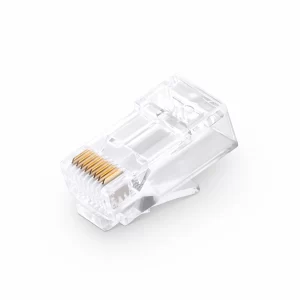 Разъемы и гнезда
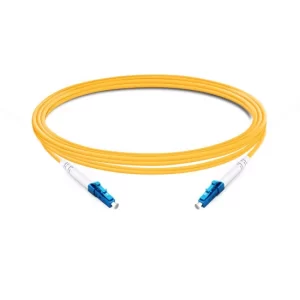 OS2 Одномодовый симплекс
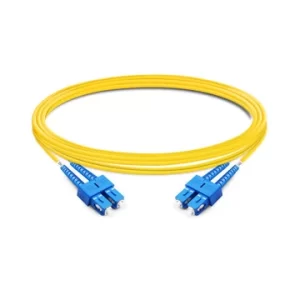 OS2 Одномодовый дуплекс
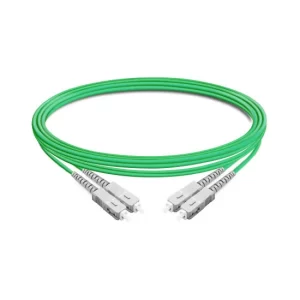 Многомодовый OM5
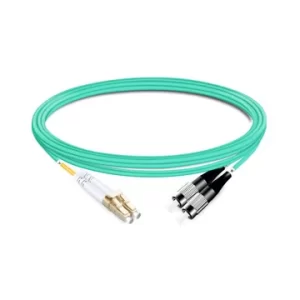 Многомодовый OM4
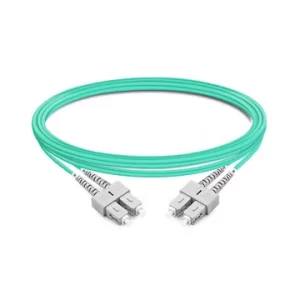 Многомодовый OM3
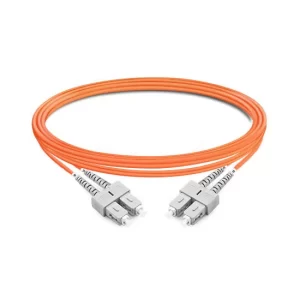 Многомодовый OM2
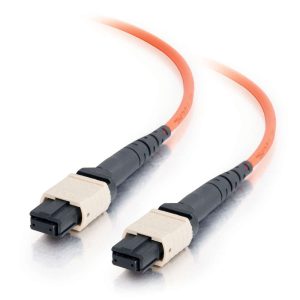 Кабели MTP/MPO
 Оптоволоконная связь
 Кабели DisplayPort
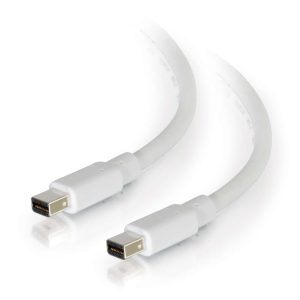 Кабели Mini DisplayPort
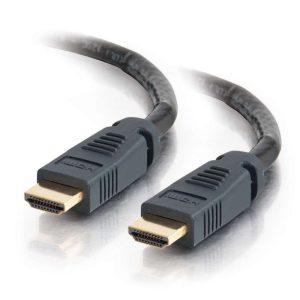 Кабели HDMI
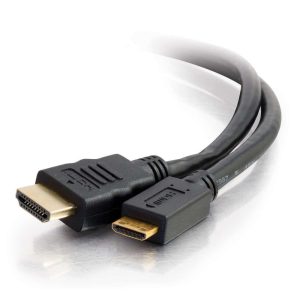 Кабели HDMI Mini/Micro
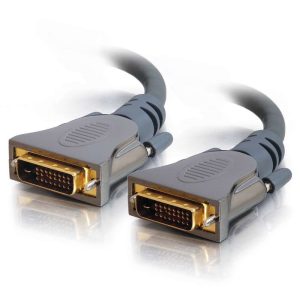 Кабели DVI
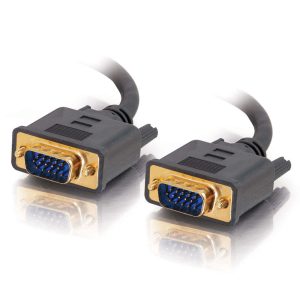 Кабели VGA
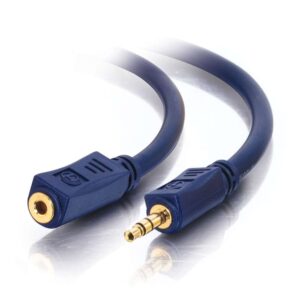 Аудио кабели
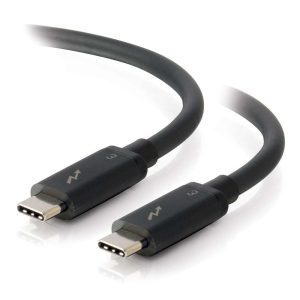 Кабели Thunderbolt
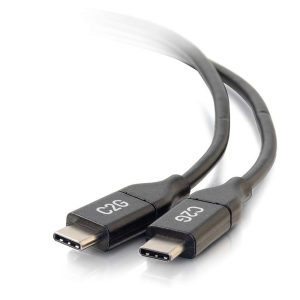 Кабели USB-C
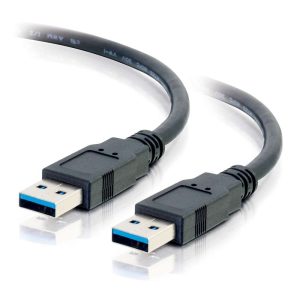 Кабели USB 3.0
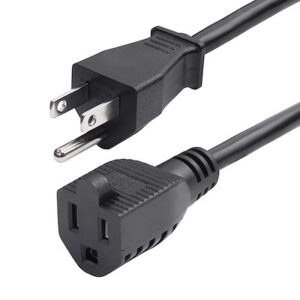 Силовые кабели
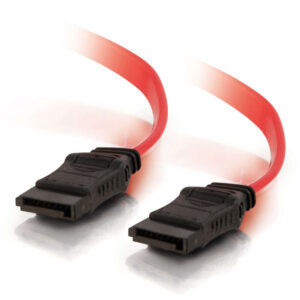 Кабели SATA
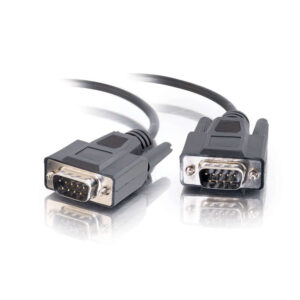 Последовательные кабели
1. Origin: OM3 Bottlenecks and OM4’s Predecessor (2005–2008)
OM3 fiber, launched in 2003, supported 10G network speed for 300 meters and 40G/100G for 100 meters, which met the initial needs. After 2005, with the rise of ultra-large-scale data centers, the requirements for transmission distance (needing 150 meters) and bandwidth increased, making OM3 gradually inadequate.
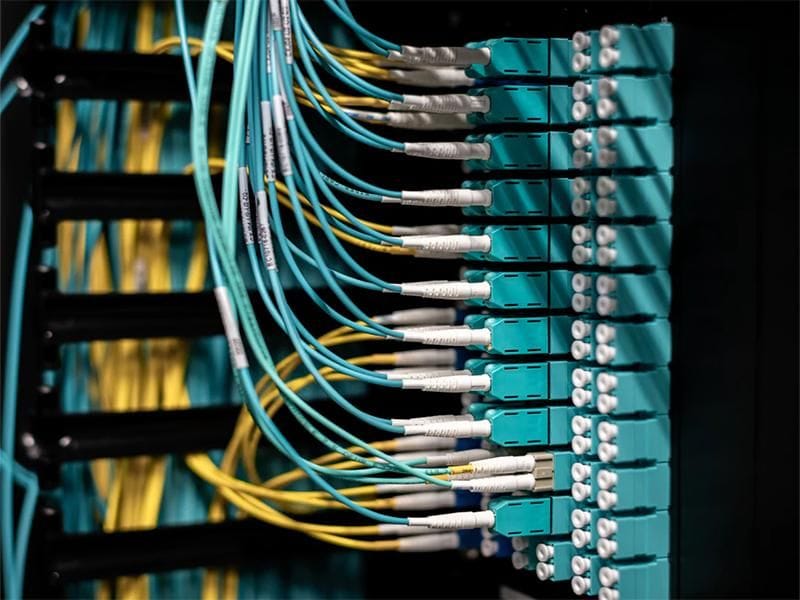
Major manufacturers such as CommScope and Draka optimized OM3 and launched “Extended Bandwidth OM3” (OM4’s predecessor), increasing the bandwidth to 3500–4700 MHz·km and reducing transmission interference. In 2008, IEEE listed it as a recommended medium for 100G transmission, and TIA and ISO initiated the standardization of OM4, determining its core parameters
2. Standardization: OM4 Officially Recognized (2009–2011)
In October 2009, TIA released the exclusive standard for OM4 (TIA-492AAAD), defining it as an independent fiber grade with a core specification of 50/125μm and a bandwidth of ≥4700 MHz·km at 850nm, adapted to VCSEL lasers for more efficient and stable transmission.
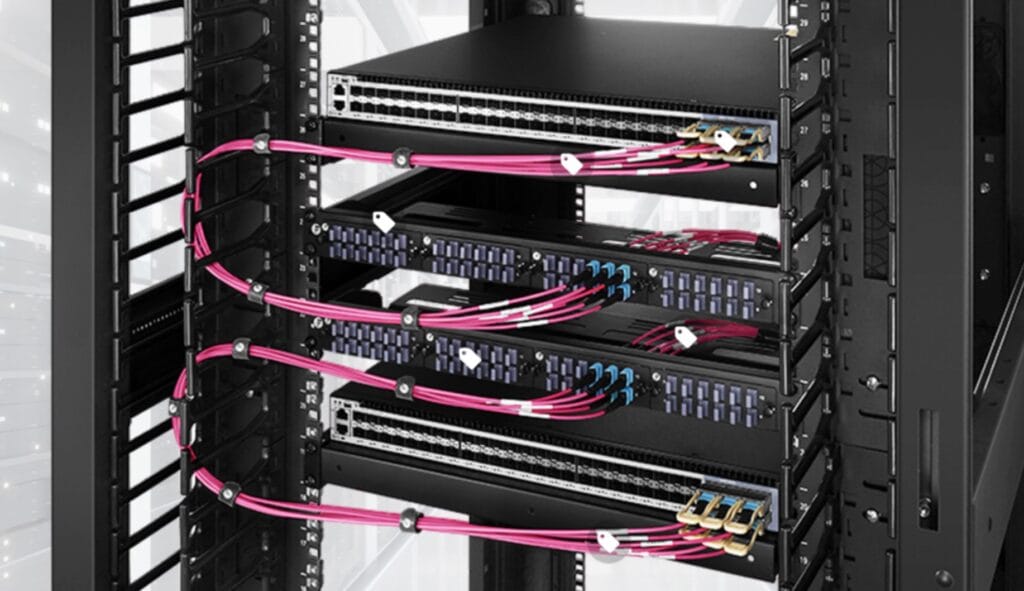
In 2011, ISO and IEC included OM4 in international standards (code A1a.3), achieving global unification. Since then, OM4 has been mass-produced, with prices falling, gradually replacing part of the OM3 market and coexisting with OM3 to meet the needs of different scenarios.
3. Popularization: OM4 Became Mainstream (2010–2016)
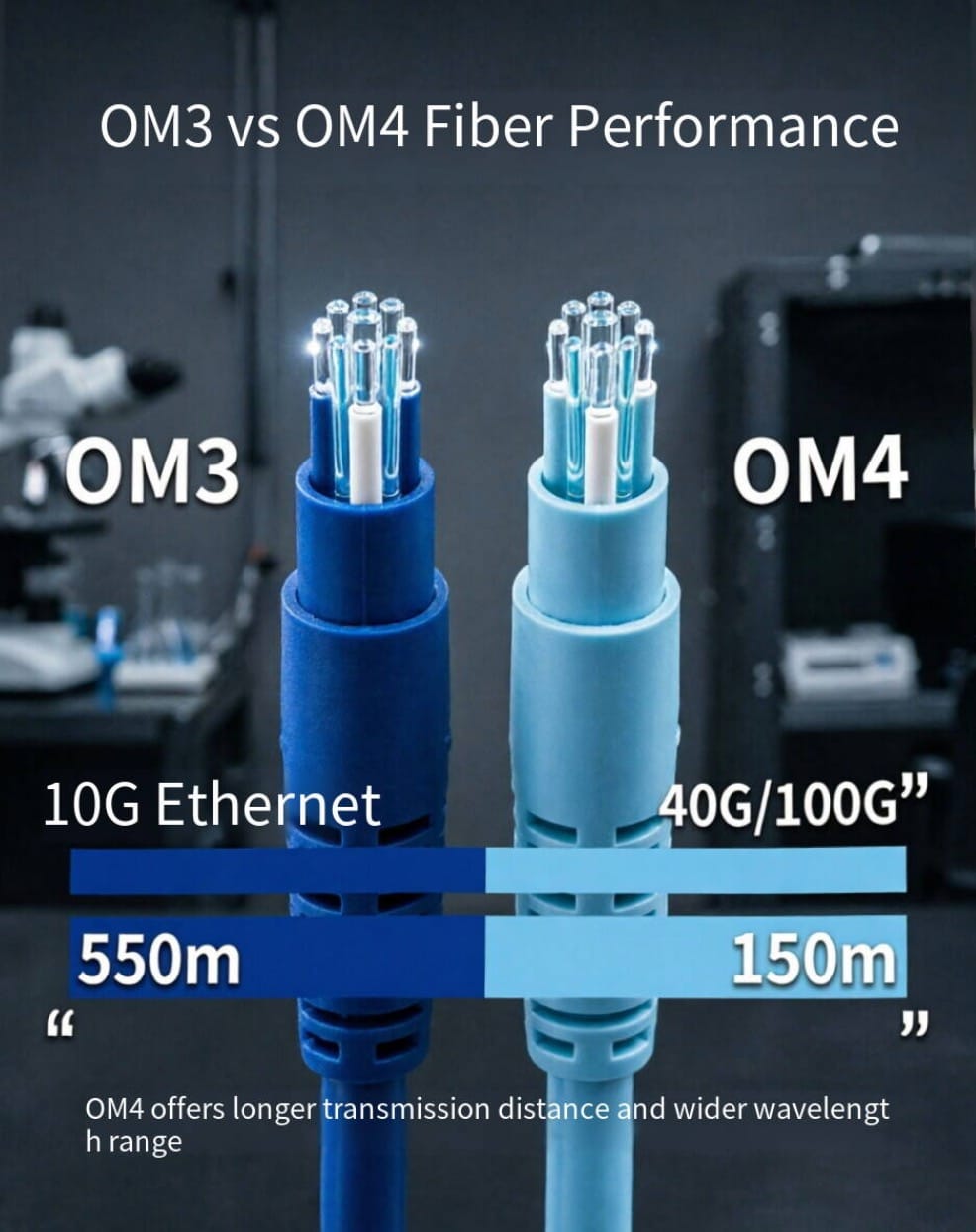
OM4 quickly gained popularity with three major advantages: first, faster and farther transmission (10G for 550 meters, 40G/100G for 150 meters); second, backward compatibility with OM1-OM3, no need for re-wiring during upgrading; third, adaptation to various high-speed scenarios such as 25G, and MPO multi-core optical cables became the standard for 40G/100G transmission.Around 2016, the deployment volume of OM4 in medium and large data centers exceeded that of OM3, becoming the main force of multimode fibers, supporting various Internet applications and enterprise data transmission.
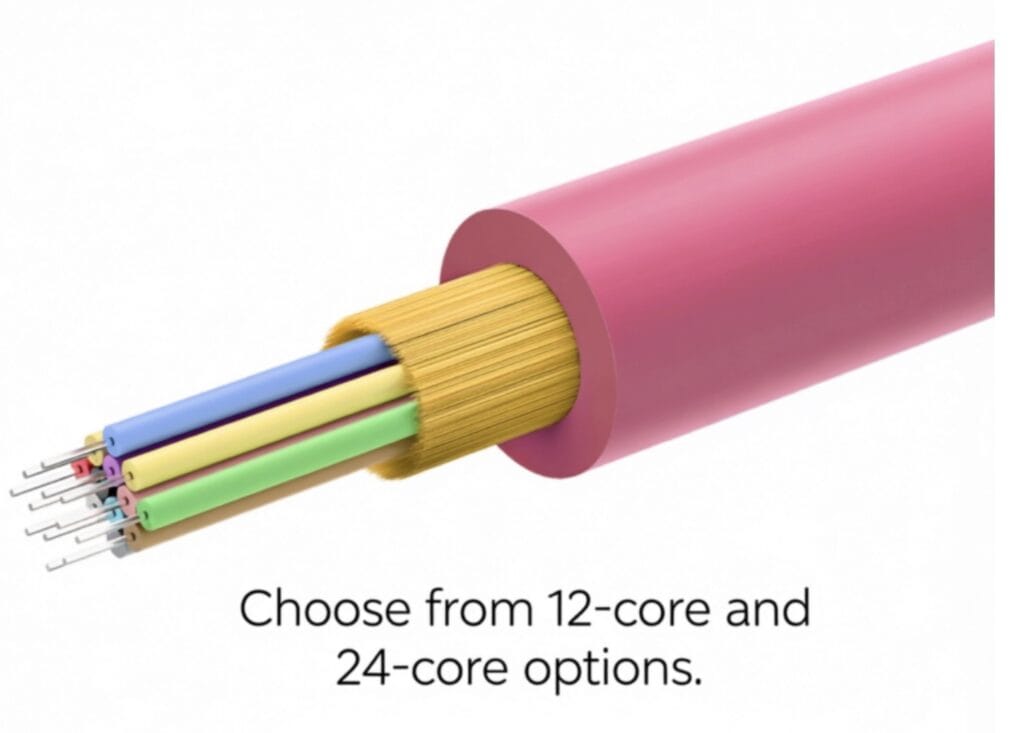
The image displays the cross-sectional structure of an optical fiber cable. In fiber optic communication, the “Core Count” refers to the number of individual optical fibers contained within the cable.
- 12-Core vs. 24-Core Selection:
- 12-Core: Typically suitable for small to medium network deployments, such as floor distribution or small server rooms, meeting basic data transmission needs.
- 24-Core: Offers higher transmission capacity and redundancy. It is commonly used for backbone networks, large data center interconnections, or as main distribution cables to accommodate future bandwidth expansion.
4. Popularization: OM4 Became Mainstream (2010–2016)
OM4 quickly gained popularity with three major advantages: first, faster and farther transmission (10G for 550 meters, 40G/100G for 150 meters); second, backward compatibility with OM1-OM3, no need for re-wiring during upgrading; third, adaptation to various high-speed scenarios such as 25G, and MPO multi-core optical cables became the standard for 40G/100G transmission.Around 2016, the deployment volume of OM4 in medium and large data centers exceeded that of OM3, becoming the main force of multimode fibers, supporting various Internet applications and enterprise data transmission.