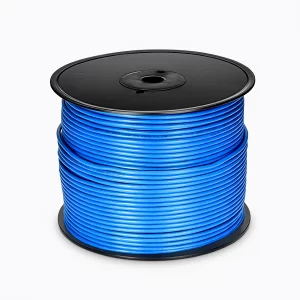
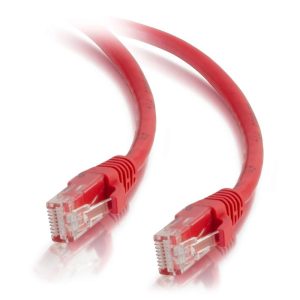
 Кабели Cat5e
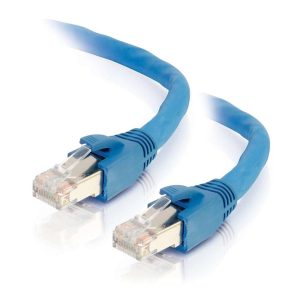 Кабели Cat6
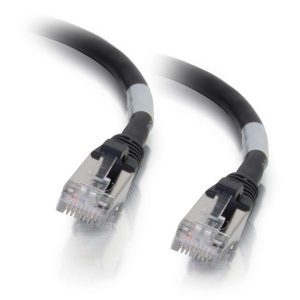 Кабели Cat6a
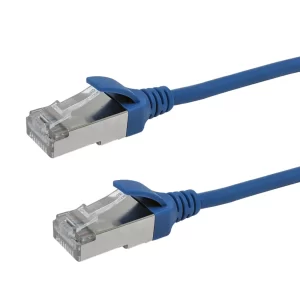 Кабели Cat8
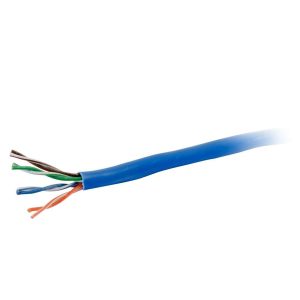 Объемные кабели Ethernet
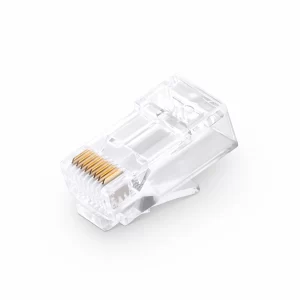 Разъемы и гнезда
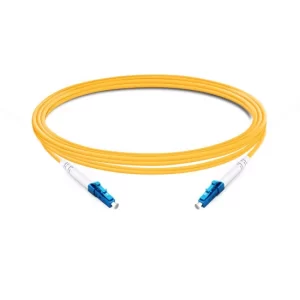 OS2 Одномодовый симплекс
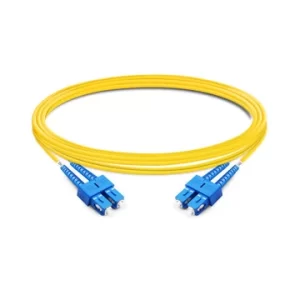 OS2 Одномодовый дуплекс
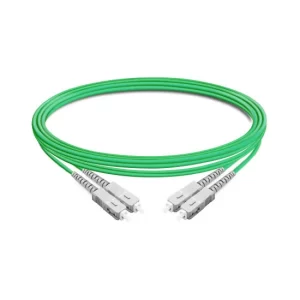 Многомодовый OM5
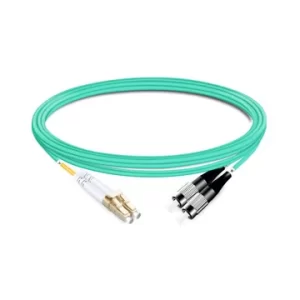 Многомодовый OM4
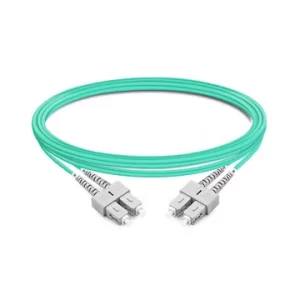 Многомодовый OM3
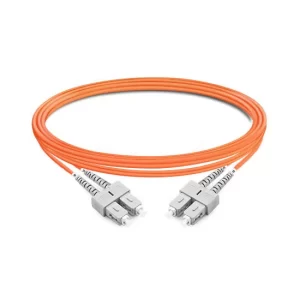 Многомодовый OM2
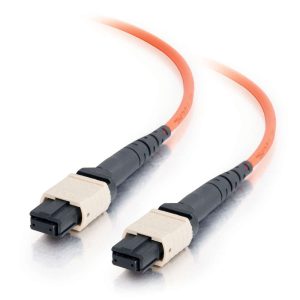 Кабели MTP/MPO
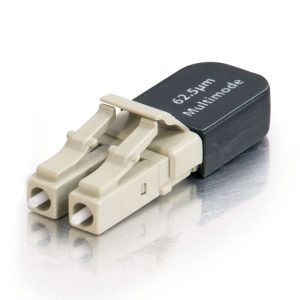 Оптоволоконная связь
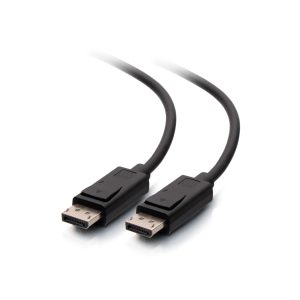 Кабели DisplayPort
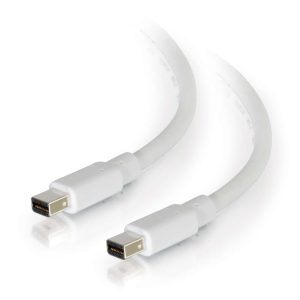 Кабели Mini DisplayPort
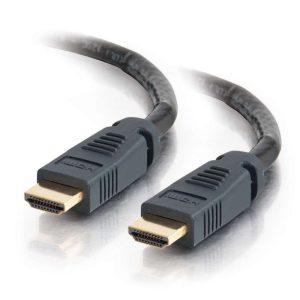 Кабели HDMI
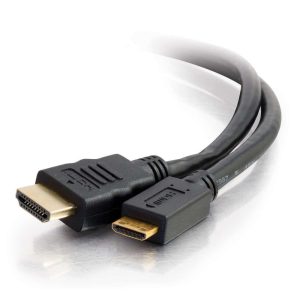 Кабели HDMI Mini/Micro
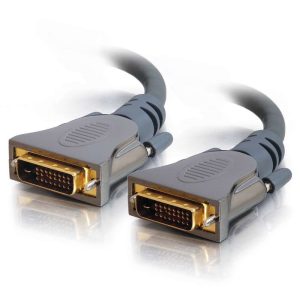 Кабели DVI
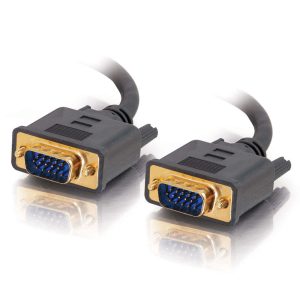 Кабели VGA
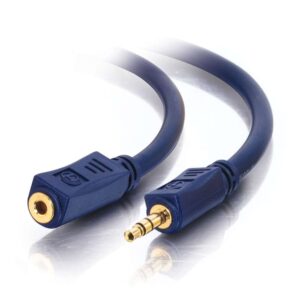 Аудио кабели
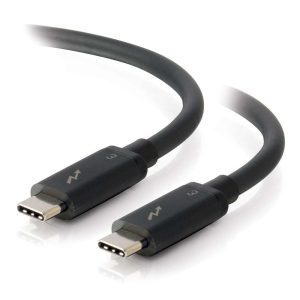 Кабели Thunderbolt
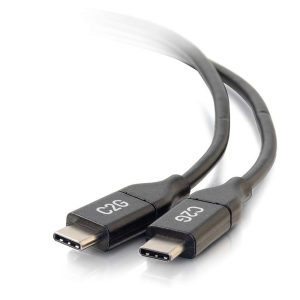 Кабели USB-C
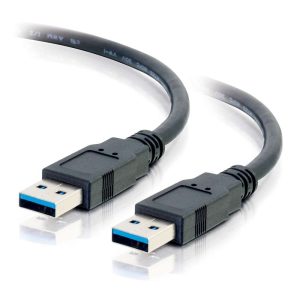 Кабели USB 3.0
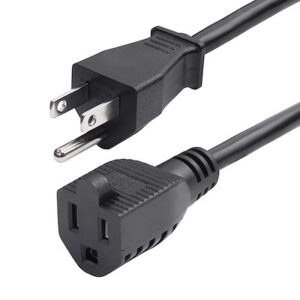 Силовые кабели
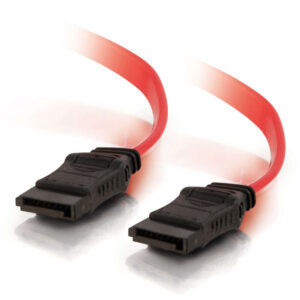 Кабели SATA
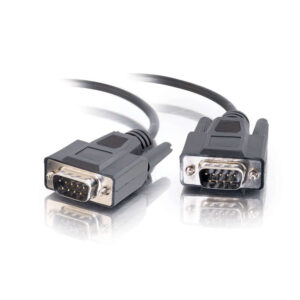 Последовательные кабели
Fiber optic cables outperform Cat6 in several critical areas that matter for reliable, high – speed data transfer. The main advantages of fiber optic cables over Cat6 cables are as follows:
1. Far Higher Bandwidth and Speed
Fiber optic cables have a huge bandwidth advantage. Single – mode fiber can easily handle speeds of 100 Gbps, 400 Gbps, or even higher over long distances. Multi – mode fiber also supports speeds from 1 Gbps to 100 Gbps, which meets the needs of high – density data centers and large – scale network deployments. In contrast, Cat6 cables have a maximum theoretical speed of 10 Gbps, and this speed is only achievable when the distance is within 55 meters. In most home or small – office networks, Cat6 usually operates at 1 Gbps, which is far behind the speed potential of fiber.
2. Significantly Longer Transmission Distance
Fiber optic signals decay very little. Single – mode fiber can transmit data for tens of kilometers (such as 40 km, 80 km, or more) without the need for signal repeaters. Multi – mode fiber can also cover distances of several hundred meters (like 200 m to 550 m), which is enough for large campus networks or cross – building connections. Cat6 cables, however, have strict distance limits. When transmitting at 10 Gbps, the maximum distance is 55 meters. Even at the more common 1 Gbps speed, the recommended maximum distance is 100 meters. Beyond this range, the signal will weaken or be distorted.
3. Immunity to Electromagnetic Interference (EMI)
iber optic cables transmit data using light signals through glass or plastic cores. Since they have no metallic components, they are completely immune to electromagnetic interference from devices such as power lines, motors, and other Ethernet cables. This ensures stable data transmission in industrial environments or areas with dense electrical equipment. Cat6 cables are made of copper. They rely on electrical signals and are easily affected by nearby electromagnetic sources. This interference can cause packet loss, slow down speeds, or even interrupt the connection, especially in complex wiring environments.
4. Better Security
Fiber optic cables do not emit electromagnetic signals. This means it is almost impossible for attackers to tap into the data being transmitted by detecting external signals, which provides a higher level of data security. This is crucial for industries that handle sensitive information, such as finance, healthcare, and government. Cat6 cables leak electrical signals. Skilled attackers can use specialized equipment to intercept these signals and steal data, making copper cables more vulnerable to security breaches.