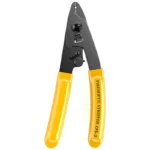
 Инструменты и тестеры для сети
 Сетевые кабели Cat5e Ethernet
 Кабели Ethernet Cat6
 Кабели Ethernet Cat6a
 Кабели Cat8
 Объемные кабели Ethernet
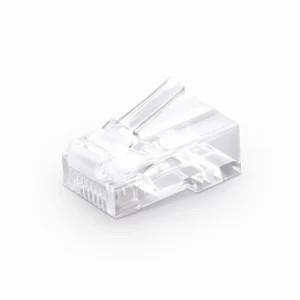
 Разъемы и гнезда
 Управление кабелями
 OS2 Одномодовый симплекс
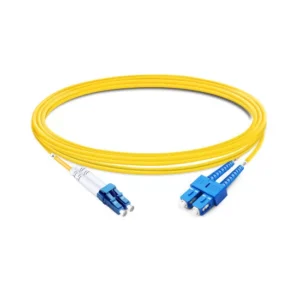
 OS2 Одномодовый дуплекс
 OM3 Многомодовое волокно
 Многомодовый OM4
 Многомодовый OM2
 Многомодовый OM5
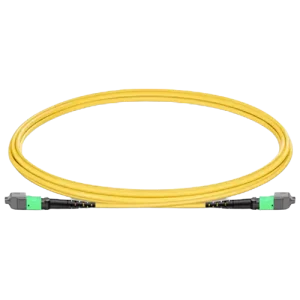
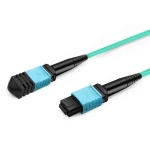 Кабели MTP/MPO
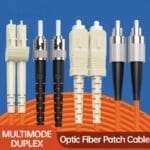 Патч-кабели на заказ
 Компоненты оптоволоконных кабелей
 Средства для чистки и инструменты
 Кабели DisplayPort
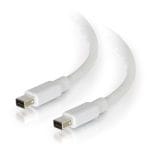 Кабели Mini DisplayPort
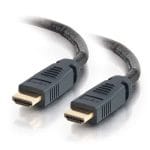 Кабели HDMI
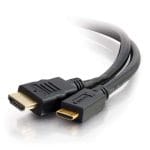 Кабели HDMI Mini/Micro
 Кабели DVI
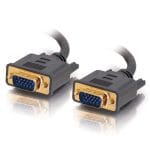 Кабели VGA
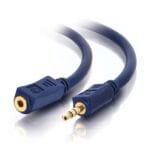 Аудио кабели
 Кабели Thunderbolt
 Кабели USB-C
 Кабели USB 3.0
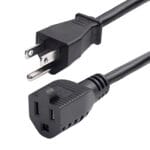 Силовые кабели
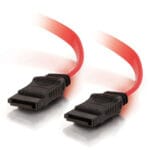 Кабели SATA
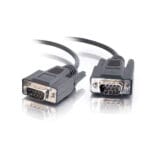 Последовательные кабели
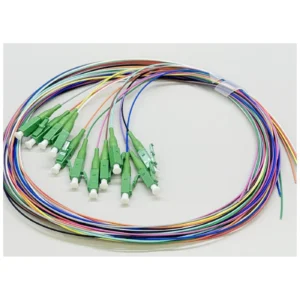 12 Fiber LC APC Pigtail, 1m G.652.D Single Mode
 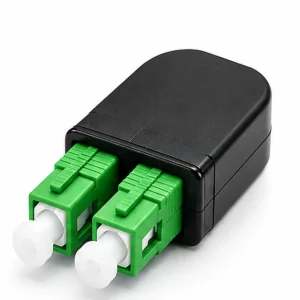 SC/APC Fiber Optic Loopback Module, Duplex Singlemode
 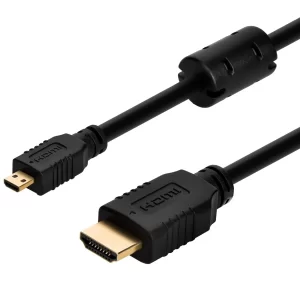 Высокоскоростной кабель HDMI с разъемом HDMI Micro – 4K@60Hz HDR 18Gbps 0.5 Черный
 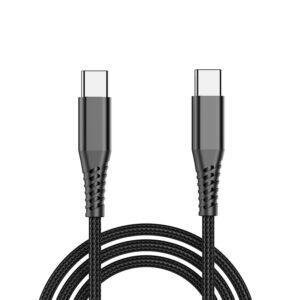 5-Pack 1 см USB-C зарядный кабель, 60 Вт (3A) PD, двухслойная оплетка нейлон/TPE куртка, прочный USB C зарядный шнур, USB 2.0 ноутбук зарядное устройство кабель
 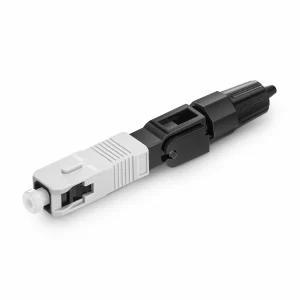 SC UPC Fast Assembly Fiber Connector, Pre-Polished Ferrule Single Mode Quick Field Connector for FTTH Drop Cable
 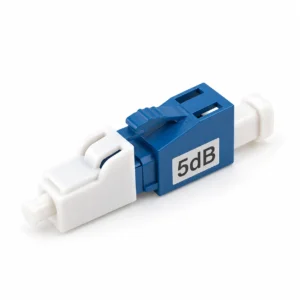 LC/UPC Fiber Optic Attenuator, 5dB Fixed, Male to Female
 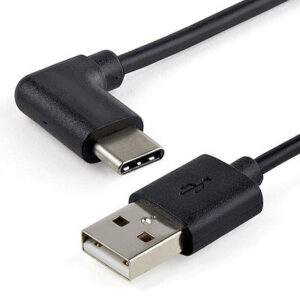 1m USB-A to USB-C Charging Cable, Right-Angled, Charge & Sync, 3A, USB 2.0 – USB Charging Cord
  2-портовый кабель-адаптер FTDI USB to Serial RS232 Adapter Cable with COM Retention, USB to RS232 Adapter - TAA
 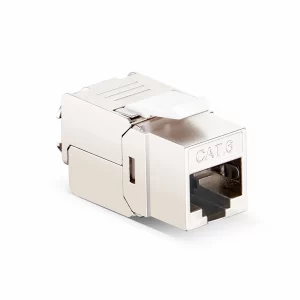 Мини Cat6 RJ45 (8P8C) экранированный без инструментальный Keystone Jack (12шт/упак)
 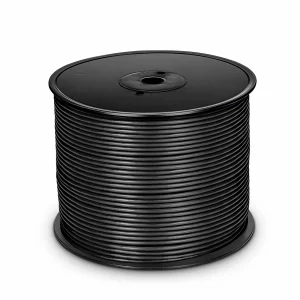 Сетевой кабель Cat5e в бухте, 305 м, внесен в список UL, 24AWG, монолитная чистая медь, 350 МГц, неэкранированный (UTP), ПВХ CMP, на катушке (черный)
 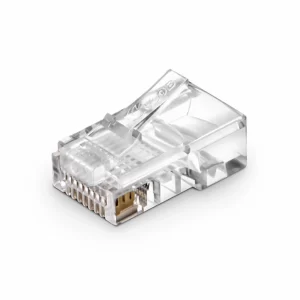 Стандартные модульные штекеры Cat5e RJ45, неэкранированные сетевые разъемы для витой пары 24AWG, одножильного или многожильного кабеля (50/упак.)
 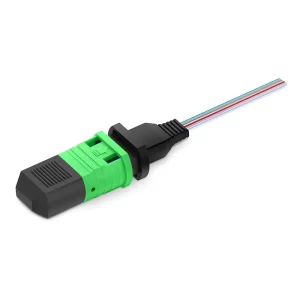 MPO (Женский) OS1/OS2 Одномодовый разъем для сборки в полевых условиях, с оконечным соединением, плоский ленточный
  Аудиокабель 3.5 мм стерео, 1.8 м – штекер/штекер
 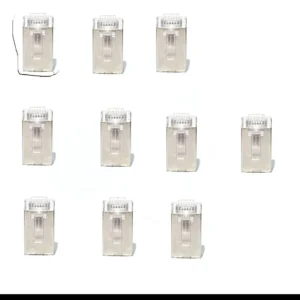 10 шт. Разъем RJ45 8P8C, позолоченный экранированный модульный штекер для сети Ethernet Cat5e Cat6
 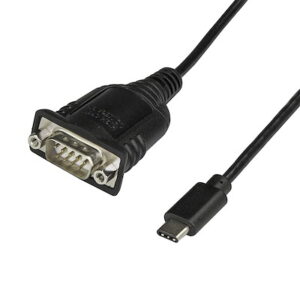 USB C to Serial Adapter Cable 0.5m - USB Type C to RS232 (DB9) Converter Cable - USB-C Serial Cable for PLCs, Scanners, Printers - Male/Male - Windows/Mac/Linux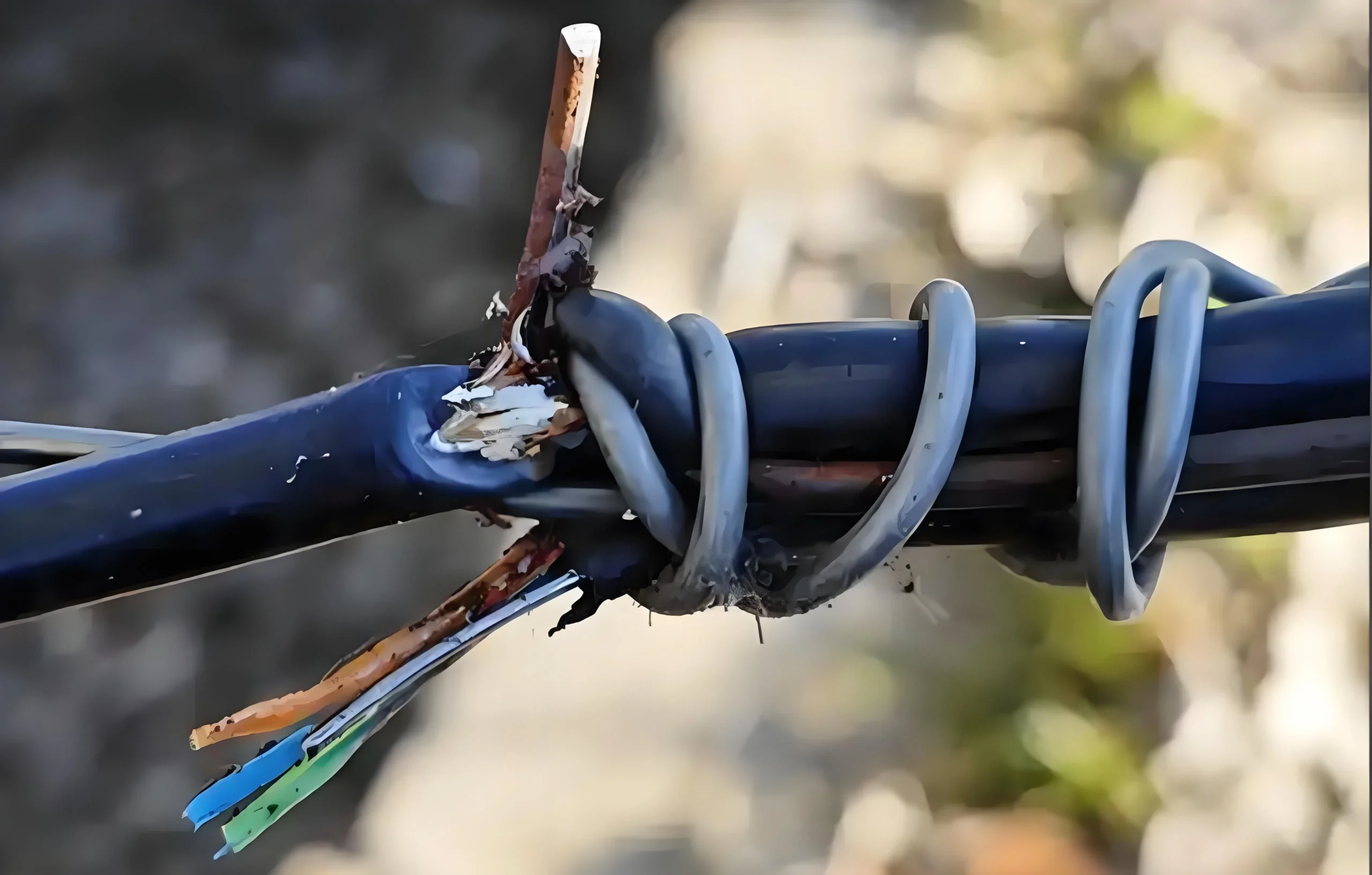
Fiber optic cables are actually far more vulnerable to crushing than the general public realizes, and their “damage” often does not take the form of a direct snap or break that people typically envision. In practical engineering scenarios such as broadcast system integration, data center cabling, and outdoor broadcast vehicles, physical damage to optical fibers is a critical issue we must pay close attention to.
To thoroughly understand the crushing vulnerability of optical fibers, we can analyze it from two core dimensions: “physical structure” and “optical signal transmission”:
1. Signal-Level Hazards: Intact Appearance, but “Paralyzed” Internal Signals (Microbending Loss)
Many people mistakenly believe that an optical fiber is safe as long as its internal glass core remains unbroken. However, in professional telecommunications, the core metric for determining fiber damage is “attenuation.”
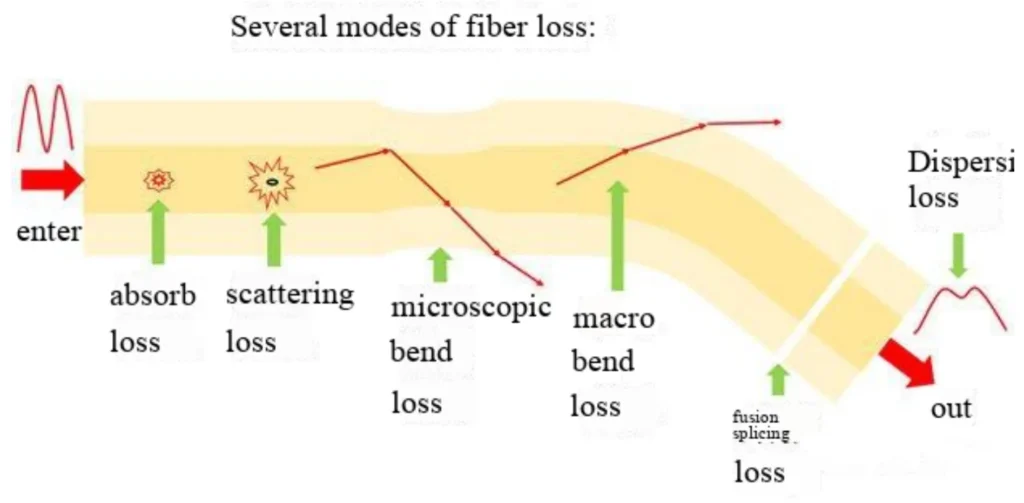
Optical fiber transmission relies on the principle of total internal reflection. When an optical fiber is subjected to external pressure (e.g., crushed by heavy objects, overtightened by cable ties, or forcibly bent within a rack), its internal structure undergoes minor geometric deformation, commonly known as “microbending” or “macrobending.” This deformation disrupts total internal reflection, causing light that should be transmitted within the core to leak out at the boundary where the refractive index has changed. At this point, the fiber may appear completely intact on the outside, but testing with an Optical Time-Domain Reflectometer (OTDR) will reveal a significant drop in power. Especially when transmitting high-bandwidth professional signals like 4K/8K ultra-high-definition video, even the slightest attenuation is enough to cause severe issues such as packet loss, black screens, or complete link failure.
2. Physical-Level Damage: The Resistance Battle Between the Core and Protective Layers
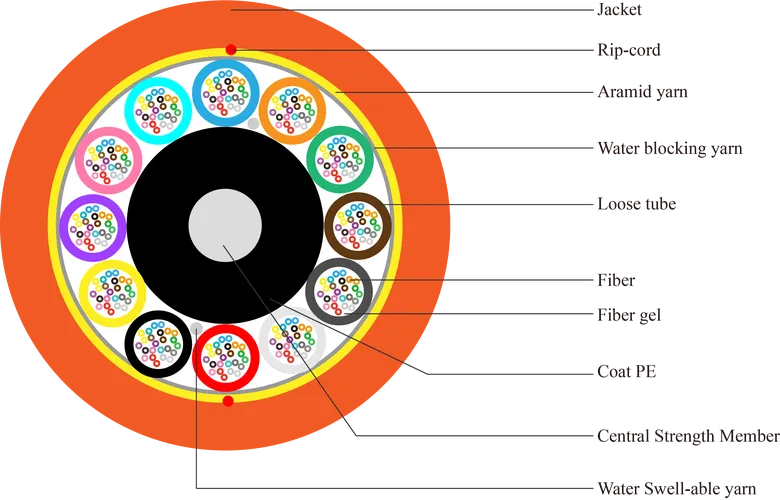
The core of a single-mode fiber is essentially a silicon dioxide glass strand with a diameter of only about 9 micrometers, making it extremely fragile. To adapt to engineering applications, it is sequentially wrapped in a coating, strength members (such as aramid yarn), and an outer jacket. Whether an optical fiber can withstand external pressure primarily depends on its armor structure and the material of the surface it rests on:
- Standard Patch Cords / Pigtails: If crushed by heavy server rack wheels in a data center or squeezed by sharp equipment edges, the outer jacket lacks sufficient support, making the internal glass core highly susceptible to shattering.
- Tactical Armored Optical Fiber (Commonly Used in Broadcast Vehicles): This type of optical fiber integrates high-strength protective layers internally, such as helical steel tapes or stainless steel braided meshes. In high-intensity outdoor broadcasting operations, even if run over by a broadcast vehicle, the steel armor can effectively absorb and disperse the vast majority of shear forces, ensuring the core does not undergo permanent physical deformation.
3. Professional Engineering Anti-Crush and Protection Standards for Optical Fibers
To ensure the stability of high-reliability signal transmission systems, we must adhere to extremely stringent engineering standards during design and construction to mitigate the risk of crush damage:
- Strictly Observe Bending Radius Limits: The static bending radius of an optical fiber must generally be no less than 10 times its outer diameter, and no less than 20 times its outer diameter under dynamic tension. When cabling in racks, cable management organizers must be used to maintain smooth arcs; sharp 90-degree bends are strictly prohibited.
- Standardize Cable Tie Tightening Force: It is absolutely forbidden to use nylon cable ties to strangle bundles of optical fibers. In professional data center cabling, we highly recommend using Velcro straps to prevent microbending loss caused by excessive manual tightening force.
- Redundancy and Physical Protection for Critical Links: For non-critical links like temporary monitoring, standard optical fibers can be used; however, for backbone public links, armored optical fibers must be employed, or the cables must be routed through dedicated anti-crush cable troughs (cable bridges). Furthermore, upon completion of cabling, strict loss testing must be conducted using professional instruments to ensure the link meets the required standards.
Summary
Optical fibers are highly sensitive to pressure. They may “fail” due to internal pressure causing optical signal leakage while appearing completely intact on the outside; and when subjected to extreme physical crushing without adequate protection, their glass cores will shatter directly. Therefore, in professional signal transmission links that demand high reliability, implementing anti-crush and anti-bend measures is the primary line of defense for ensuring the stable operation of the entire system.