
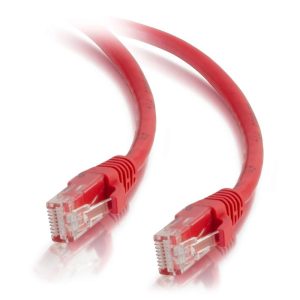
 Cat5e 케이블
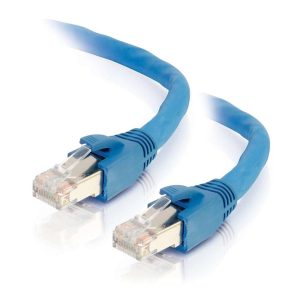 Cat6 케이블
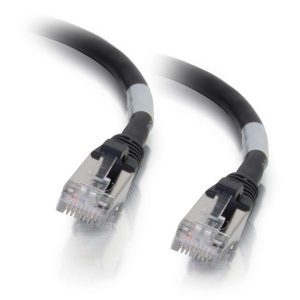 Cat6a 케이블
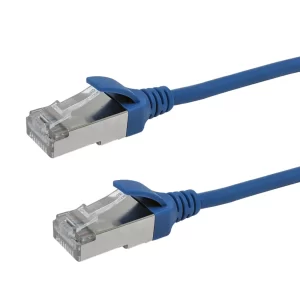 Cat8 케이블
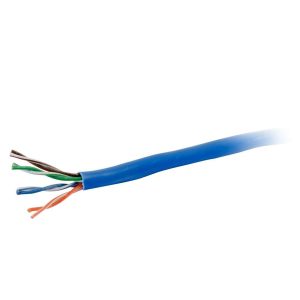 벌크 이더넷 케이블
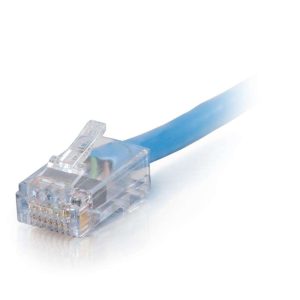 플레넘 등급 이더넷 케이블
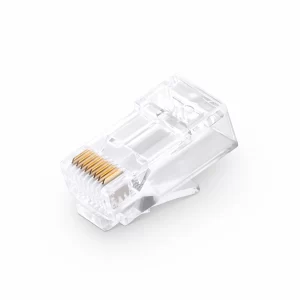 커넥터 및 잭
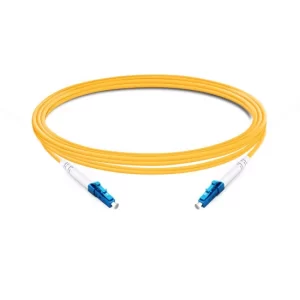 OS2 싱글모드 심플렉스
 OS2 싱글모드 듀플렉스
 OM5 멀티모드
 OM4 멀티모드
 OM3 멀티모드
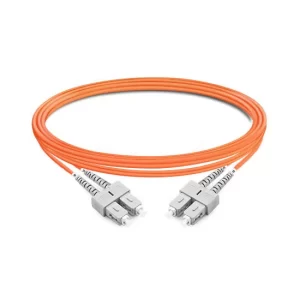 OM2 멀티모드
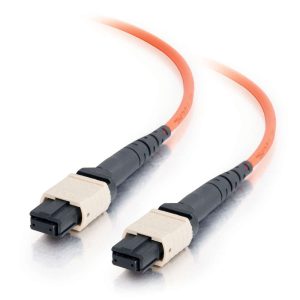 MTP/MPO 케이블
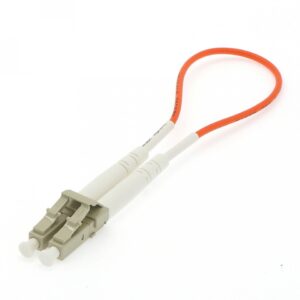 루프백 어댑터
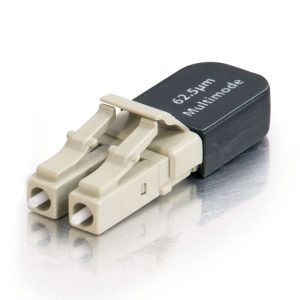 광섬유 연결
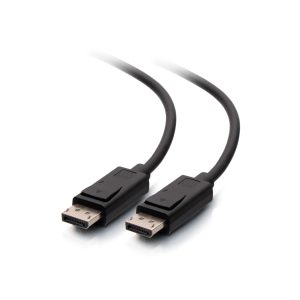 DisplayPort 케이블
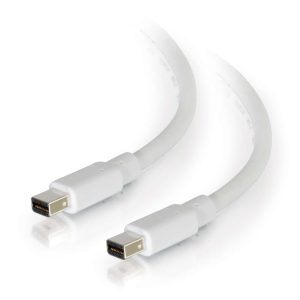 미니 디스플레이포트 케이블
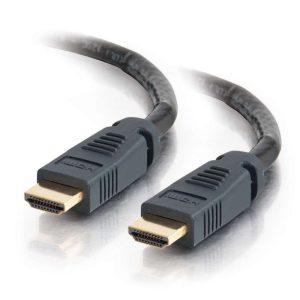 HDMI 케이블
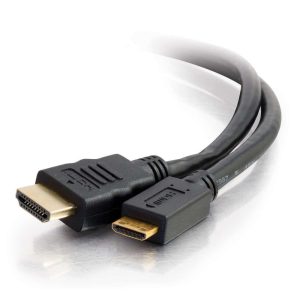 HDMI 미니/마이크로 케이블
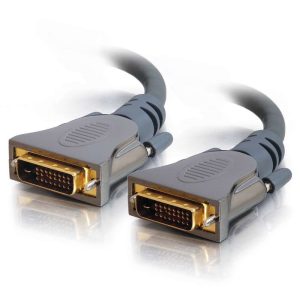 DVI 케이블
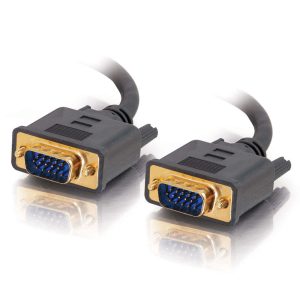 VGA 케이블
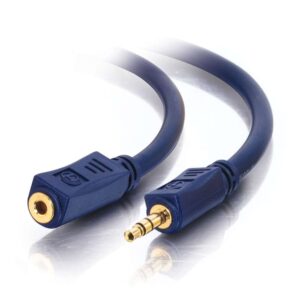 오디오 케이블
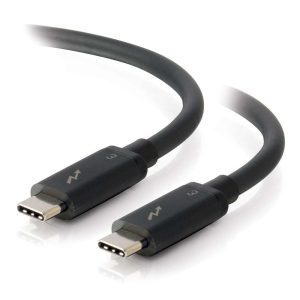 썬더볼트 케이블
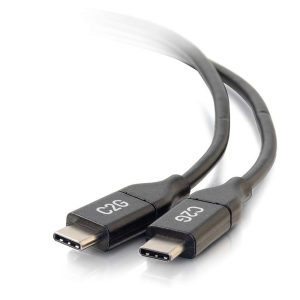 USB-C 케이블
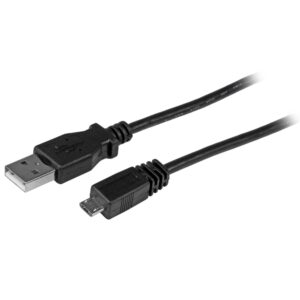 USB 마이크로 - B
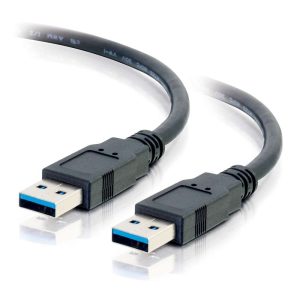 USB 3.0 케이블
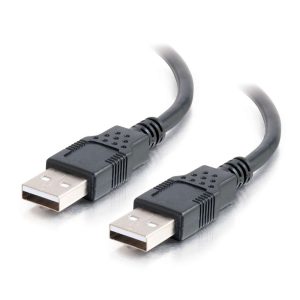 USB 2.0 케이블
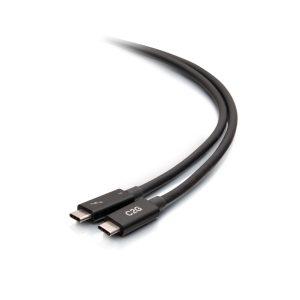 활성 USB 케이블
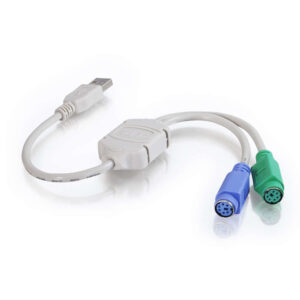 키보드 및 마우스 케이블
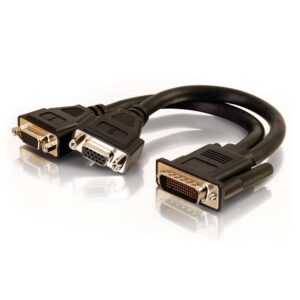 LFH-59 및 M1 케이블
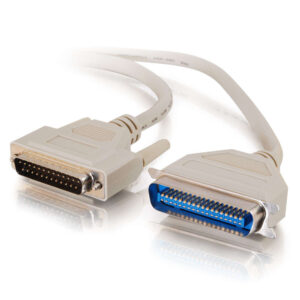 병렬 케이블 및 장치
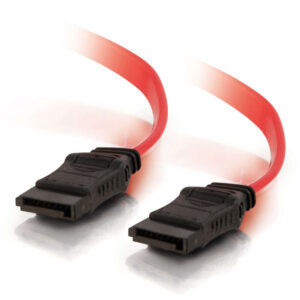 직렬 ATA 케이블
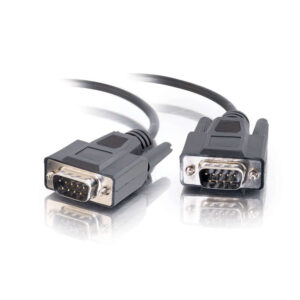 직렬 RS232 케이블
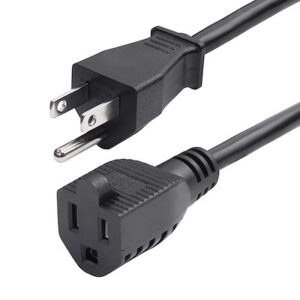 전원 케이블
Category 6 cable (Cat 6) is a standardized twisted pair cable for Ethernet and other network physical layers that is backward compatible with the Category 5/5e and Category 3 cable standards.
Cat 6 must meet more stringent specifications for crosstalk and system noise than Cat 5 and Cat 5e. The cable standard specifies performance of up to 250 MHz, compared to 100 MHz for Cat 5 and Cat 5e.
Whereas Category 6 cable has a reduced maximum length of 55 metres (180 ft) when used for 10GBASE-T, Category 6A cable is specified for 500 MHz and has improved alien crosstalk characteristics, allowing 10GBASE-T to be run for the same 100-metre (330 ft) maximum distance as previous Ethernet over twisted pair variants.
CAT 6 is a twisted pair cable for Ethernet-based computer networks. It is used in phone lines, PCs, televisions, CCTV cameras, and other networking devices.
CAT 6 (Category 6) is the standard for the sixth generation of twisted pair cable for Ethernet-based computer networks. Following CAT 5 and CAT 5e, the specifications for CAT 6 are more stringent for crosstalk and system noise, and CAT 6 enables higher speeds and more robust data transfer. While more expensive than CAT 5/5e, it remains a cost-effective option due to higher speeds and more robust data transfer.
Unlike CAT 5e cable, with CAT 6 all four wires work together to handle the signal instead of just two. However, CAT 6 has a maximum length of 55 m when used for 10GBASE-T, compared to 90 m maximum for CAT 5e and 100 m maximum for CAT 6A.
The CAT 6 cable standard specifies performance of up to 250 MHz, compared to 100 MHz for Cat 5 and Cat 5e, and 500 MHz for CAT 6A.
The standard for Category 6A (augmented Category 6) is ANSI/TIA-568.2-D (replaces 568-C.2),[8] defined by TIA for enhanced performance standards for twisted pair cable systems. It was defined in 2009.[9] Cat 6A performance is defined for frequencies up to 500 MHz—twice that of Cat 6. Cat 6A also has an improved alien crosstalk specification as compared to Cat 6, which picks up high levels of alien noise at high frequencies.
The global cabling standard ISO/IEC 11801 has been extended by the addition of amendment 2. This amendment defines new specifications for Cat 6A components and Class EA permanent links. These new global Cat 6A/Class EA specifications require a new generation of connecting hardware offering far superior performance compared to the existing products that are based on the American TIA standard.[10] The most important point is a performance difference between ISO/IEC and EIA/TIA component specifications for the NEXT transmission parameter. At a frequency of 500 MHz, an ISO/IEC Cat 6A connector performs 3 dB better than a Cat 6A connector that conforms with the EIA/TIA specification (3 dB equals 50% reduction of near-end crosstalk noise signal power; see half-power point).
Confusion therefore arises because of the naming conventions and performance benchmarks laid down by the International ISO/IEC and American TIA/EIA standards, which in turn are different from the regional European standard, EN 50173–1. In general, the ISO standard for Cat 6A is the most stringent, followed by the European standard, and the American one (1 on 1 matching capability).