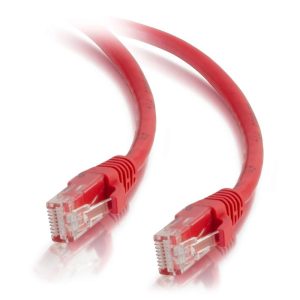
 Cat5eケーブル
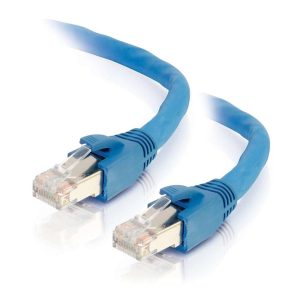 Cat6ケーブル
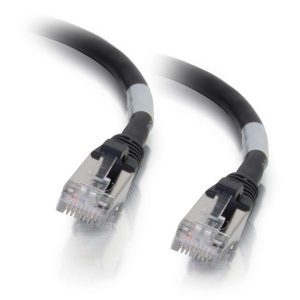 Cat6a Cables
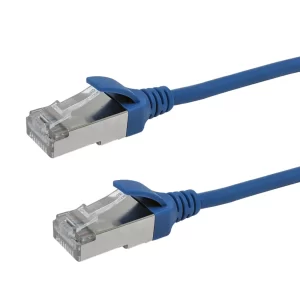 Cat8 Cables
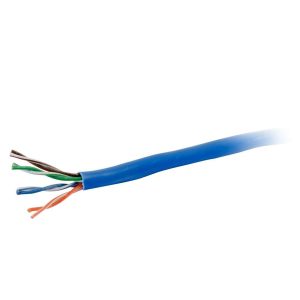 バルクイーサネットケーブル
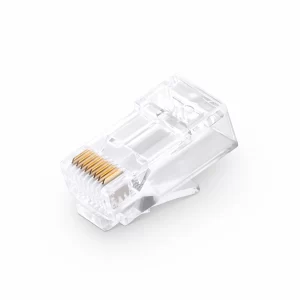 コネクター&ジャック
 OS2 シングルモード単信
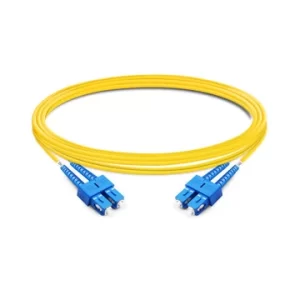 OS2 シングルモード二重
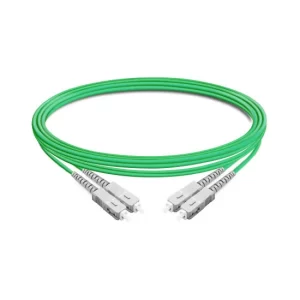 OM5マルチモード
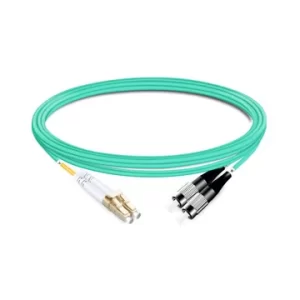 OM4マルチモード
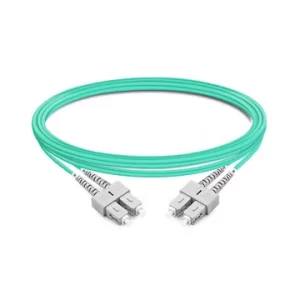 OM3マルチモード
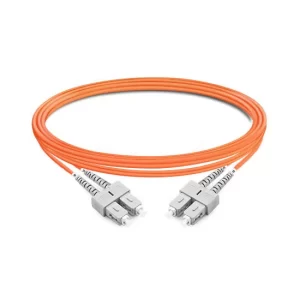 OM2マルチモード
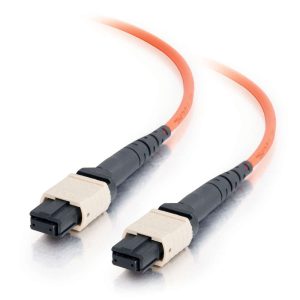 MTP/MPOケーブル
 光ファイバー接続
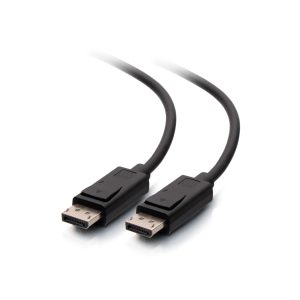 DisplayPortケーブル
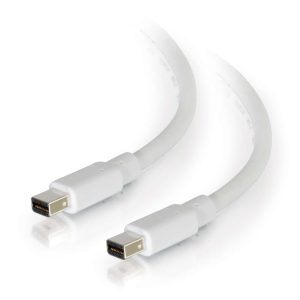 ミニDisplayPortケーブル
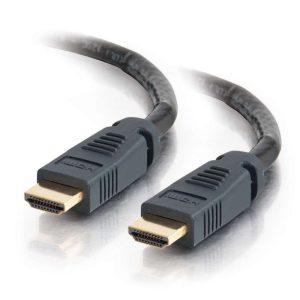 HDMIケーブル
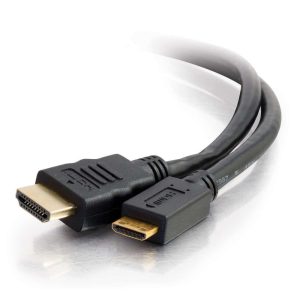 HDMIミニ/マイクロケーブル
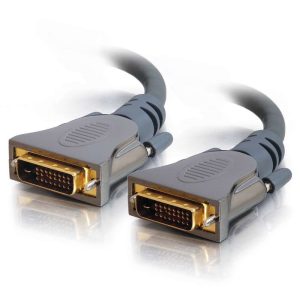 DVIケーブル
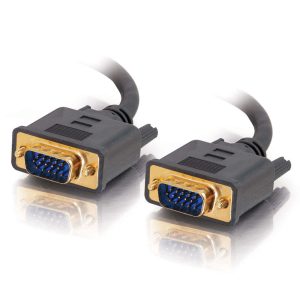 VGAケーブル
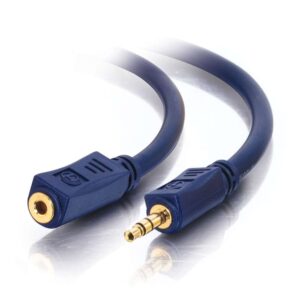 オーディオケーブル
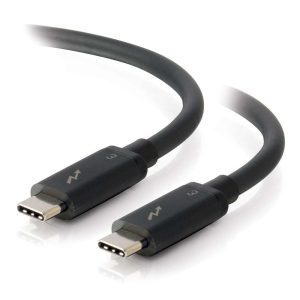 Thunderboltケーブル
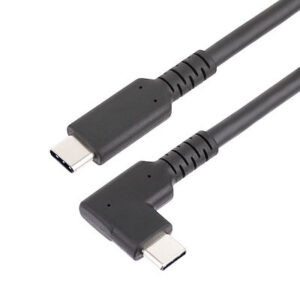
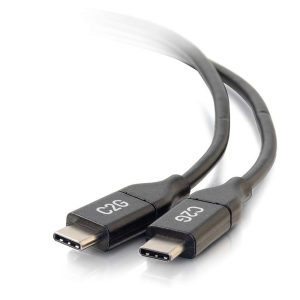 USB-Cケーブル
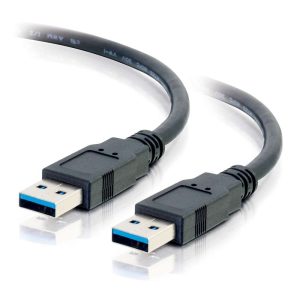 USB 3.0ケーブル
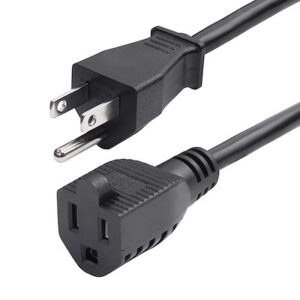 電源ケーブル
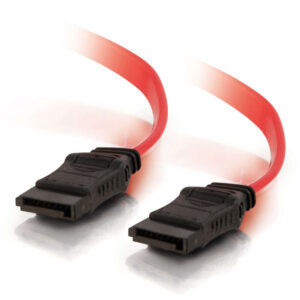 SATAケーブル
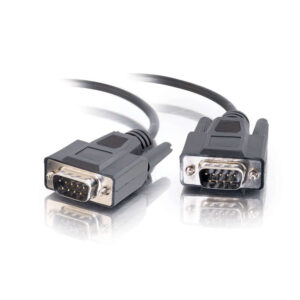 シリアルケーブル
There are the following differences in the application of Cat6a (Category 6 Augmented) cables and Cat8 (Category 8) cables in home networks:
- Transmission Performance
- Cat6a Cables :With a transmission frequency of 500 MHz and a maximum data rate of up to 10 Gbps, they can stably support this rate within a distance of 100 meters. This meets the needs of most high-speed network applications in homes, such as 8K video playback and cloud gaming.
- Cat8 Cables :Boasting an ultra-high transmission frequency of 2000 MHz and a maximum data rate of 25 Gbps or 40 Gbps, their effective transmission distance is strictly limited to 30 meters or less. For short-distance high-speed data transmission scenarios in homes (e.g., interconnection of devices within a network cabinet), Cat8 cables can deliver higher transmission speeds.
- Anti-Interference Ability
- Cat6a Cables :Typically adopt a double-shielding structure (e.g., aluminum foil + braided mesh), which effectively resists electromagnetic interference (EMI) and crosstalk between wire pairs, ensuring stable network operation in home environments with numerous electronic devices.
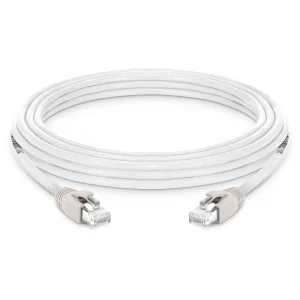
- Cat8 Cables :Feature more advanced double-shielding designs (e.g., S/FTP or F/FTP). Their stronger anti-interference capability better guarantees signal stability during high-speed transmission.
- Installation Difficulty
- Cat6a Cables :With a relatively thin diameter and good flexibility, they are easy to install. Ordinary home users can easily perform simple wiring operations (such as threading through walls or laying in cable trays).
- Cat8 Cables :Due to their thicker diameter and stiffness, professional installation tools and technicians are required for setup. The crimping of RJ45 connectors (水晶头) is also more difficult—improper operation during installation may affect network transmission performance.
- Cost Factor
- Cat6a Cables :Relatively low cost and affordable price, offering high cost-effectiveness for most home users.
- Cat8 Cables :Require high standards in production processes and materials, resulting in high costs. Their price is much higher than that of Cat6a cables, leading to low input-output ratio for ordinary households.
- Applicable Scenarios
- Cat6a Cables :Suitable for most home network scenarios, including home entertainment, remote work, and online gaming. They provide stable and high-speed network connections for various smart devices in homes, and are also suitable for families planning to upgrade to 10Gbps networks in the future.
- Cat8 Cables :Although rarely used in ordinary homes, they can provide powerful performance support for high-end home users with extremely high network speed requirements and short wiring distances—for example, building a home data center or conducting professional high-definition video editing and transmission.
- While Cat 8 Ethernet cable speed is excellent for professional applications, it is typically overkill for home networks. For home equipment, Cat6a is more than sufficient, even for gaming, and Cat8 cable can be difficult to install.