 Cat5eケーブル
 Cat6ケーブル
 Cat6aケーブル
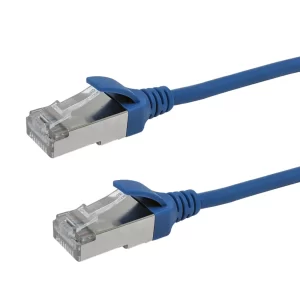 Cat8ケーブル
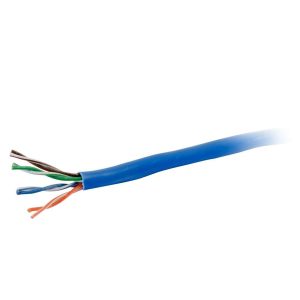 バルクイーサネットケーブル
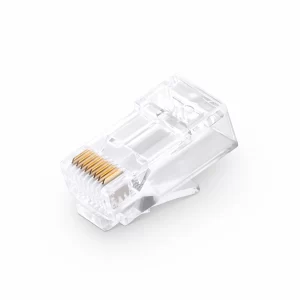 コネクター&ジャック
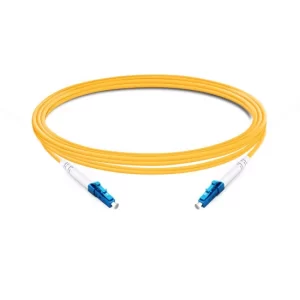 OS2 シングルモード単信
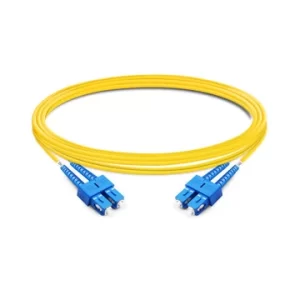 OS2 シングルモード二重
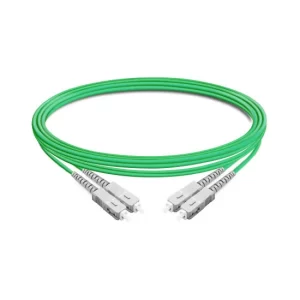 OM5マルチモード
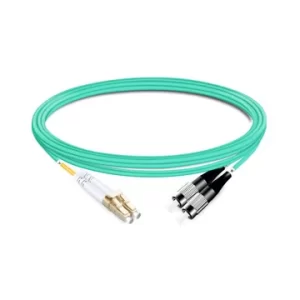 OM4マルチモード
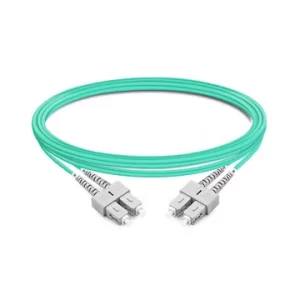 OM3マルチモード
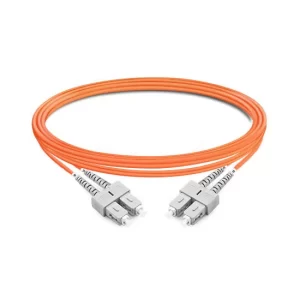 OM2マルチモード
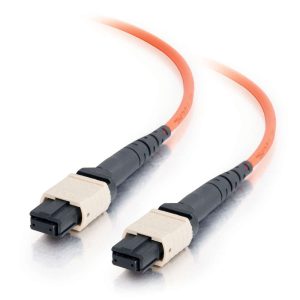 MTP/MPOケーブル
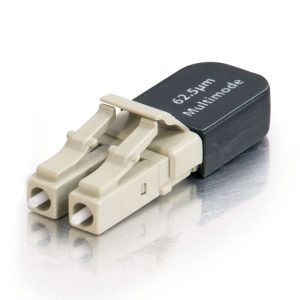 光ファイバー接続
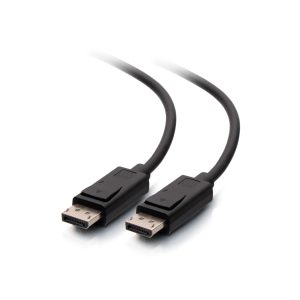 DisplayPortケーブル
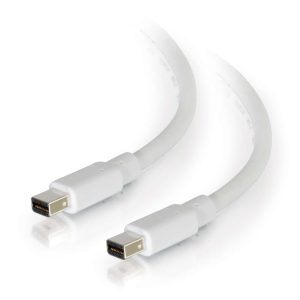 ミニDisplayPortケーブル
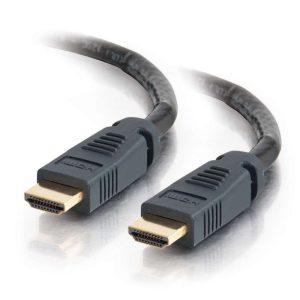 HDMIケーブル
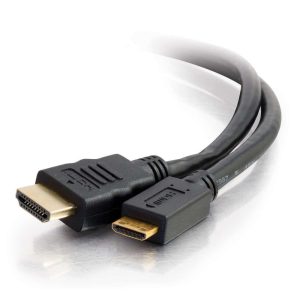 HDMIミニ/マイクロケーブル
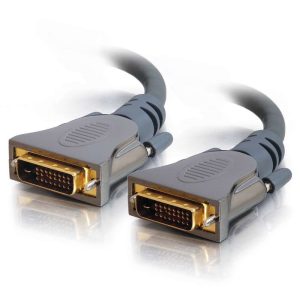 DVIケーブル
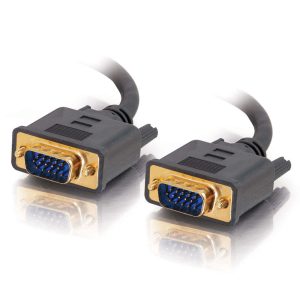 VGAケーブル
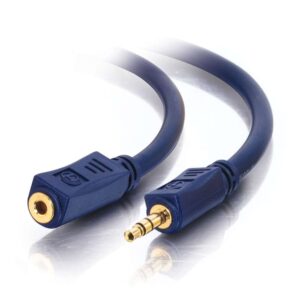 オーディオケーブル
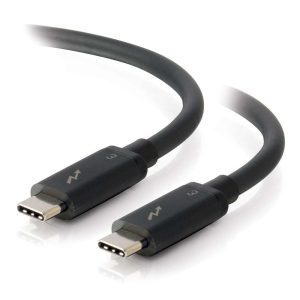 Thunderboltケーブル
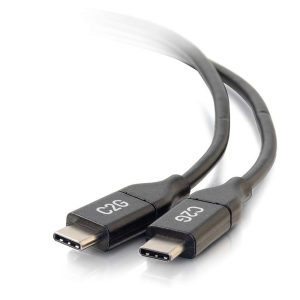 USB-Cケーブル
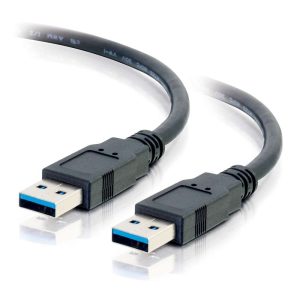 USB 3.0ケーブル
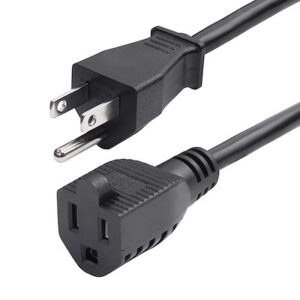 電源ケーブル
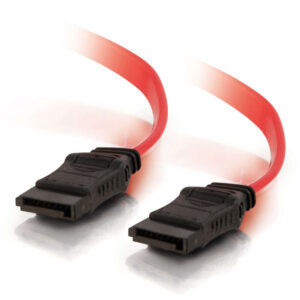 SATAケーブル
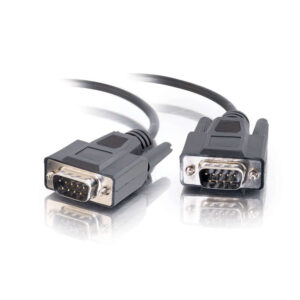 シリアルケーブル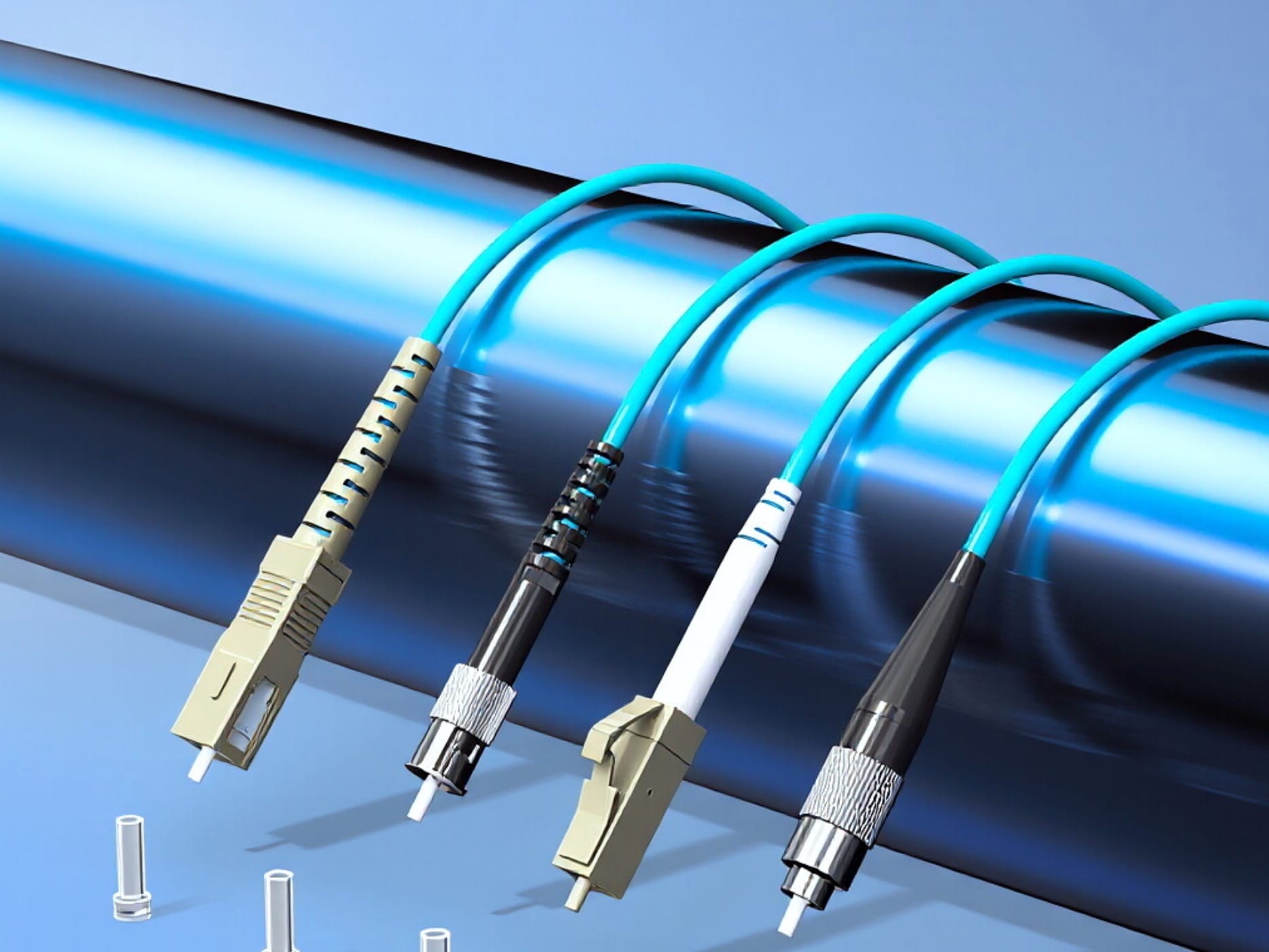
OM3 Fiber Optic Cable: A Cost-Effective Solution for Modern Networking
Introduction: The Speed, Distance, and Cost Dilemma
In today’s digital transformation era, data centers and enterprise networks face unprecedented traffic pressures. When building 10G and higher-level network architectures, we often encounter the classic “impossible trinity”: speed, distance, and cost. Among numerous solutions, OM3 fiber optic cable stands out with its unique “laser-optimized” characteristics, finding an optimal balance in this complex equation and becoming synonymous with cost-effective network infrastructure.
From “Light Bulb” to “Laser”: The Evolution of Transmission Technology
To understand the value of OM3, we must first recognize the problem it was designed to solve.
Traditional Multimode Fiber (OM1/OM2)
These fibers originated in the LED light source era. Like using a light bulb to illuminate a room, LED sources have high divergence and broad spectrum. This causes significant “modal dispersion” (signal tailing and blurring) at high speeds, limiting transmission distance and bandwidth.
The Evolution of OM3 Fiber
OM3 fiber, standardized under ISO/IEC 11801 as the third-generation multimode fiber, was specifically engineered to accommodate VCSEL lasers. VCSEL (Vertical Cavity Surface Emitting Laser) operates like a precision surgical tool – with concentrated beams and single wavelength (primarily at 850nm). OM3 fiber is specifically optimized for this laser source, significantly reducing modal dispersion and unlocking the full potential of multimode fiber.
Decoding Core Parameters: Why 50/125 Matters
In the world of fiber optics, details make all the difference. Several key parameters define the capabilities of OM3 fiber:
Core Specifications
- Fiber Core: 50/125 μm – Compared to the 62.5μm core of older OM1 fiber, the finer 50μm core more effectively constrains light signals, reducing path differences and forming the foundation for high bandwidth.
Performance Metrics
- Bandwidth: ≥ 2000 MHz·km – This Effective Modal Bandwidth (EMB) value enables OM3 to handle massive data flows like a wide river without overflow.
Practical Transmission Distances
- 10Gbps (10 Gigabit) Environment: Supports stable transmission up to 300 meters, covering most data center rooms and enterprise building distances.
- 40G/100G (Higher Speed) Environment: Using parallel transmission technologies (such as SR4), it maintains performance up to 100 meters.
Visual Identification
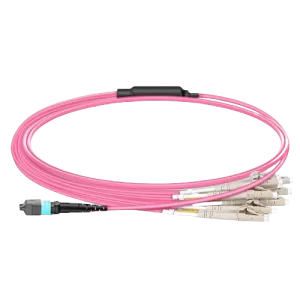
OM3 features a distinctive aqua-colored jacket. This color serves not only aesthetic purposes but also functions as an “ID card” for engineers to quickly identify fiber types during installation.
The “Cost-Performance King” – Economic Analysis
Network construction requires considering the entire link cost, not just fiber expenses. OM3 became mainstream due to its exceptional economic efficiency.
| Dimension | Single-mode Fiber Solution | OM3 Multimode Fiber Solution | Advantage Analysis |
| Optical Module Cost | Expensive (precision laser) | Inexpensive (mature VCSEL tech) | Cost savings of 2-3 times |
| Light Source Technology | Traditional laser | 850nm VCSEL | More energy-efficient, lower heat |
| Applicable Scenarios | Ultra-long distance, massive capacity | Short-distance high-speed interconnect | Most enterprises don’t need extreme distance |
Core Economic Logic
While single-mode fiber itself might be cheaper,配套 single-mode optical modules are extremely expensive. OM3 fiber, paired with mature 850nm VCSEL optical modules, creates a “cost-effective information superhighway” . For transmission distances under 300 meters, choosing single-mode fiber is often an example of “using a sledgehammer to crack a nut” – excessive investment.
Application Scenarios – Where OM3 Excels
OM3 isn’t universal, but it dominates in its specialized domain.
Data Center Infrastructure
- Server-to-Switch Connections: OM3 is the dominant choice for server-to-Top-of-Rack (ToR) switch connections in data centers.
- Storage Area Networks (SAN): It supports lossless data transfer between disk arrays and servers.
- High-Performance Computing: Ideal for cluster computing environments requiring high bandwidth.
Enterprise Campus Networks
- Building-to-Building Connectivity: Suitable for most campus building spans.
- High-Performance Network Access: Provides reliable connectivity for enterprise networks.
Professional Audio-Video Transmission
With the rise of 4K/8K ultra-high-definition video, bandwidth requirements have grown exponentially. OM3 fiber enables uncompressed, lossless video signal transmission, making it a reliable choice for broadcast studios and large-scale audio-visual projects.
Conclusion – The Intelligent “Sprint Champion”
If network transmission were an athletic competition, single-mode fiber would be the “100-meter sprinter” pursuing ultimate speed, while OM3 fiber is more like a strategic “middle-distance runner”.
OM3 doesn’t pursue extreme city-spanning distances but focuses on delivering the most efficient transmission within its 300-meter golden radius. For the majority of network projects seeking cost efficiency and deployment convenience, OM3 fiber remains a practical and intelligent choice. It demonstrates that in network infrastructure, “sufficient” and “well-performing” often proves more sustainable than merely “top-tier”.
The continued relevance of OM3 fiber in modern networking underscores its enduring value as a balanced, economical solution for high-speed data transmission needs.