 Herramientas y probadores de redes
 Cables Ethernet Cat5e
 Cables Ethernet Cat6
 Cables Ethernet Cat6a
 Cables Cat8
 Cables Ethernet a granel
 Conectores y tomas
 Gestión de cables
 OS2 Monomodo Simplex
 OS2 monomodo dúplex
 Fibra multimodo OM3
 OM4 multimodo
 OM2 multimodo
 OM5 multimodo
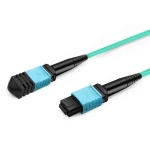 Cables MTP/MPO
 Cables de Conexión Personalizados
 Componentes de fibra óptica
 Limpiadores y herramientas
 Cables DisplayPort
 Cables Mini DisplayPort
 Cables HDMI
 Cables HDMI Mini/Micro
 Cables DVI
 Cables VGA
 Cables de audio
 Cables Thunderbolt
 Cables USB-C
 Cables USB 3.0
 Cables de alimentación
 Cables SATA
 Cables serie
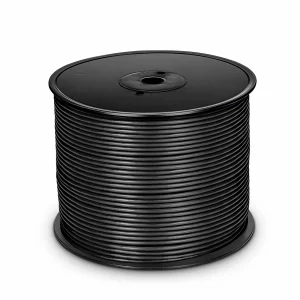 Cable Ethernet a granel Cat5e, 305m, UL Listed, 24AWG Solid Pure Bare Copper Wire, 350MHz, sin blindaje (UTP), PVC CMP, con carrete (Negro)
 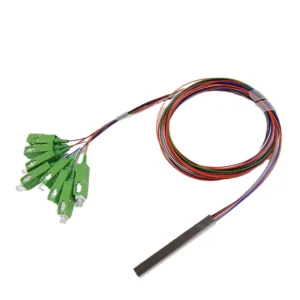 PLC Splitter 1×8, SC/APC, 1m Mini Steel Tube
 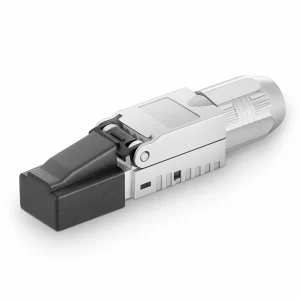 Cat5e/Cat6/Cat6a RJ45 enchufes modulares sin herramientas, conectores de red blindados para 23 ~ 26AWG par trenzado sólido o cable trenzado (10/Pack)
 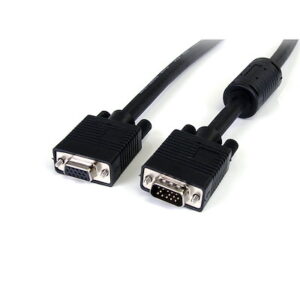 Cable de extensión de monitor VGA coaxial de 5 m – HD15 M/H
 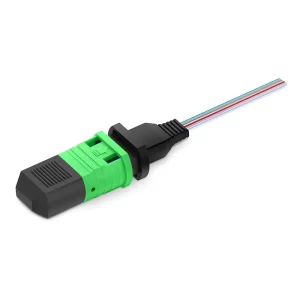 Conector MPO (Hembra) OS1/OS2 Monomodo de Ensamblaje en Campo de Conexión por Fusión, Cinta Plana
  Conector Keystone blindado Cat8 RJ45 (8P8C) sin herramientas (1 unidad/paquete)
  Cable HDMI de alta velocidad con mini conector HDMI - 4K@60Hz HD 2M BLACKR 18Gbps
  Cable de conexión de red Ethernet de PVC sin blindaje (U/UTP) sin hilos Cat5e de 10 m, negro
 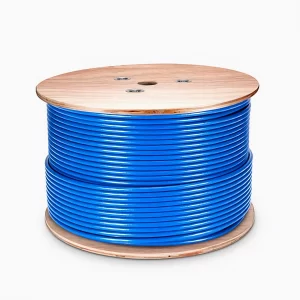 Cable Ethernet a granel Cat6a, 305m, 23AWG hilo de cobre puro desnudo, 750MHz, blindado (F/UTP), PVC CMR, con carrete (azul)
 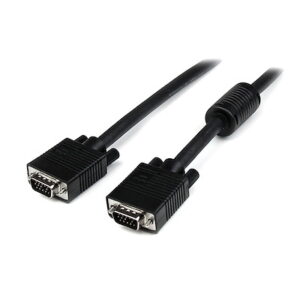 Cable VGA para monitor de alta resolución coaxial de 5 m – HD15 M/M
 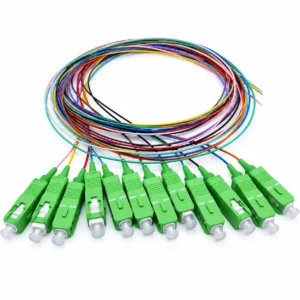 12 Fiber SC APC Pigtail, 1m G.652.D Single Mode
 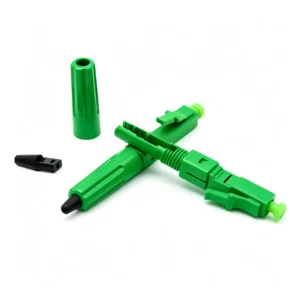 LC APC Field Assembly Mechanical Connector, Simplex OS1/OS2 Single Mode Pre-Polished Ferrule Quick Connector for FTTH
  Cable adaptador de USB a RS232 serie de 2 puertos FTDI con retención COM, adaptador de USB a RS232 - TAA
 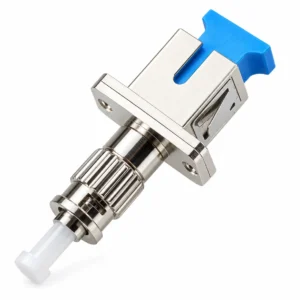 ST Male to SC Female Fiber Optic Adapter, 9/125μm Singlemode Simplex
 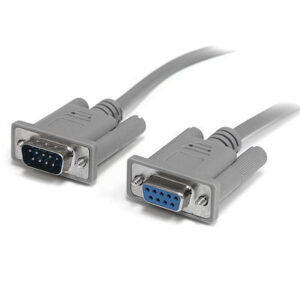 3m B9 RS232 Serial Null Modem Cable F/M
 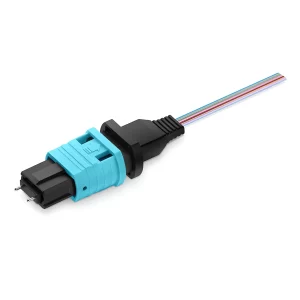 Conector de ensamble en campo MPO (Macho) Multimodo OM3/OM4 de unión por fusión, Cinta Plana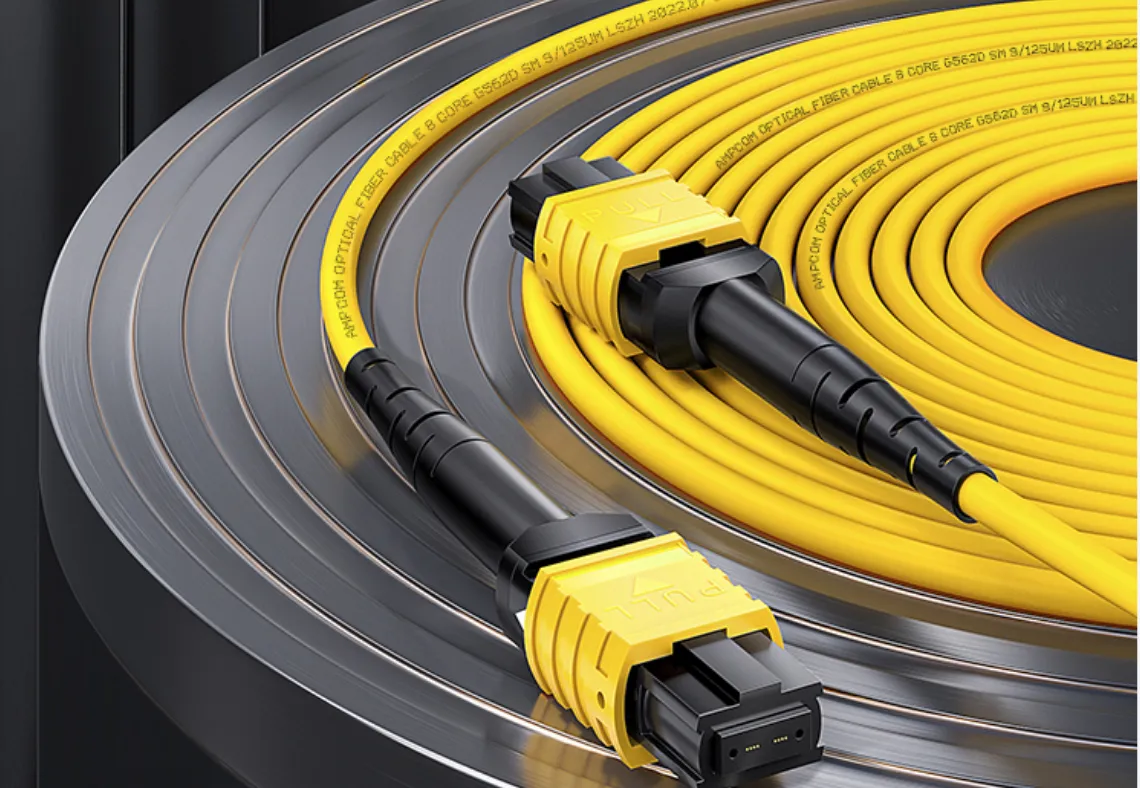
If you’ve ever walked into a modern data center, you’ve probably seen those thick fiber cables that seem to do the work of a dozen regular cables. Chances are, you were looking at MTP or MPO cables.
But here’s the thing—most people get confused. They look identical, they plug in the same way, and the terms are often used interchangeably. So, are they the same? Not quite.
Let’s break it down in plain English—no jargon overload, just the real deal.
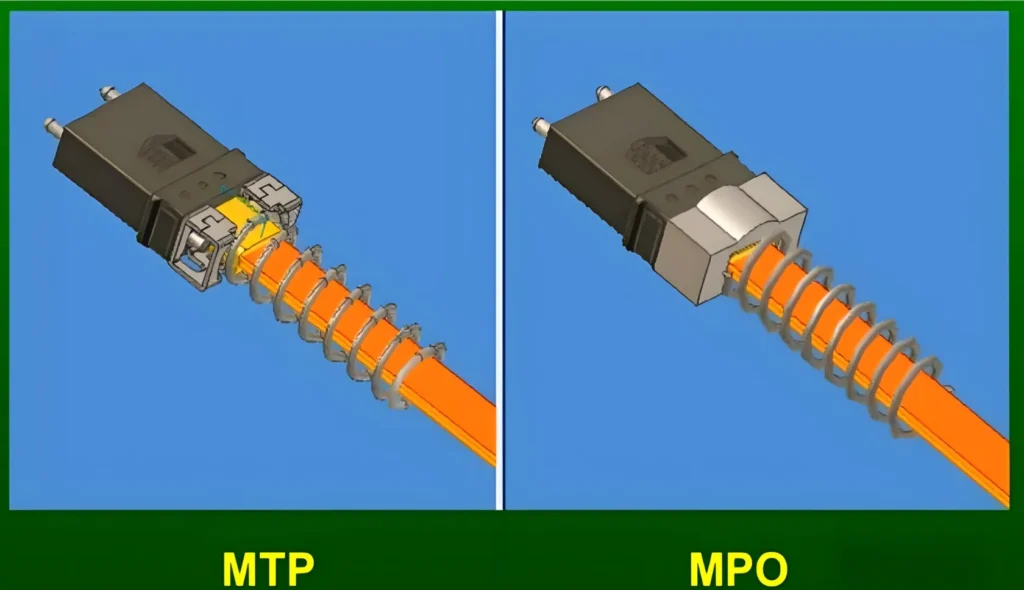
1.MPO Is The Standard
MPO stands for Multi-fiber Push-On. It’s a generic term, like “Kleenex” for tissues. Technically, it refers to a type of connector that can hold multiple fibers (usually 12, 24, or more) in a single plug. It’s defined by international standards (like IEC 61754-7), so any manufacturer can make an MPO connector as long as it meets the specs.
Think of MPO as the “basic model” — functional, widely available, and gets the job done.
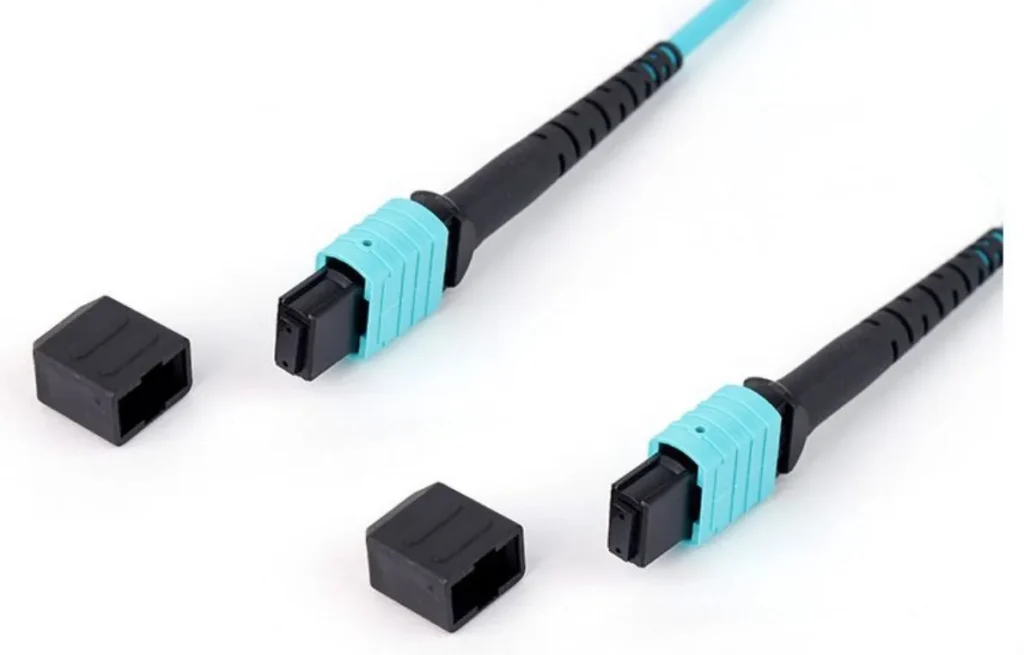
2.MTP Is The Premium Upgrade
Now, MTP is different. It’s not a different technology—it’s a brand. MTP is a registered trademark of US Conec, and it stands for Multi-fiber Termination Push-on.
Here’s the key: All MTP connectors are MPO-compatible, but not all MPOs are MTPs.
You can think of MTP as the “luxury edition” of MPO. It meets and exceeds the standard MPO specs with a bunch of smart engineering tweaks that make it more reliable, easier to maintain, and better for high-speed networks.
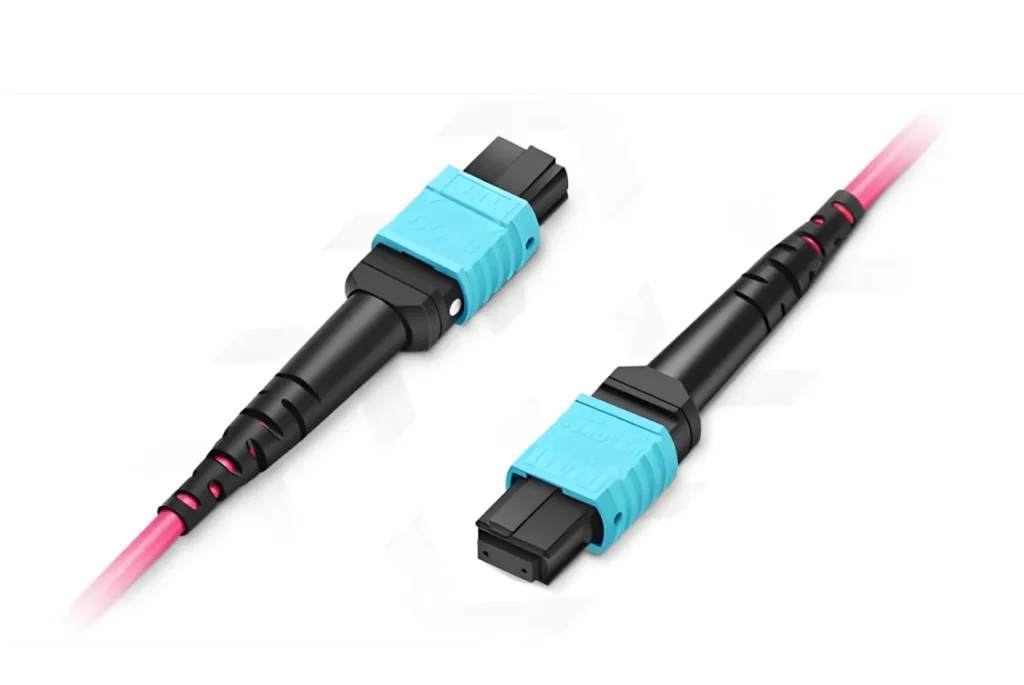
3.So, What Makes MTP Better?
Let’s get into the nitty-gritty—why do so many network pros prefer MTP?
- Better Spring Design: MTP uses an elliptical spring, while standard MPOs often use a round one. The elliptical shape gives more room for the fiber ribbon, reducing stress and the chance of damage during mating.
- Floating Ferrule: This is a big one. The MTP ferrule (the part that holds the fibers) is designed to “float.” That means it can self-align when you plug it in, ensuring a tighter, more consistent connection. Standard MPOs have a fixed ferrule, which can lead to air gaps or misalignment if there’s any dirt or wear.
- Stronger Guide Pins: MTP uses stainless steel elliptical guide pins, which are more durable and less likely to get damaged or trap debris. Standard MPOs often use chamfered pins that wear out faster.
- Removable Housing: This is a game-changer for field work. With MTP, you can actually remove the outer housing to re-polish the ferrule, change polarity, or clean it properly. Most standard MPOs are permanently crimped—once it’s dirty or damaged, you’re basically stuck replacing the whole thing.
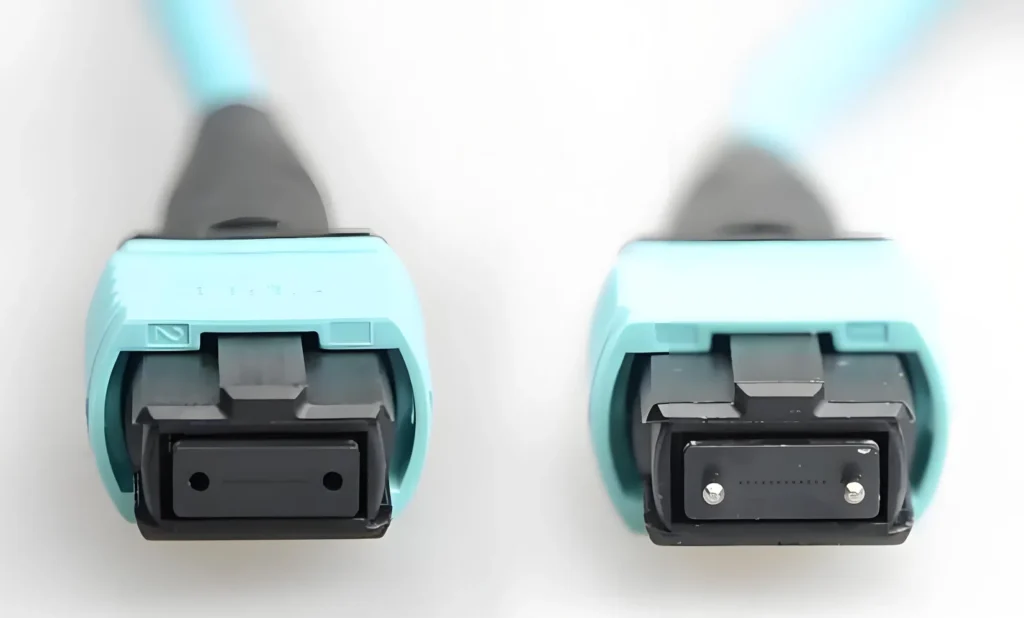
Types of MTP/MPO Cables
Now, let’s talk about the different flavors you’ll run into.
1. By Polarity (How the Fibers Are Wired)
This is about making sure Fiber 1 on one end connects to the right fiber on the other. There are three main types:
- Type A (Straight-through): Fiber 1 goes to Fiber 1, Fiber 2 to Fiber 2, etc. Simple and direct.
- Type B (Reverse): Fiber 1 goes to Fiber 12, Fiber 2 to Fiber 11, and so on. It’s flipped. Common in certain backbone setups.
- Type C (Pairs Swapped): Fibers are swapped in pairs—1&2 swap with 2&1, 3&4 with 4&3, etc. Useful for specific transceiver mappings.
2. By Fiber Count
- 12-fiber: The most common, used in 40G and 100G networks.
- 24-fiber: Higher density, great for 100G-SR4 and future upgrades.
- 8-fiber & 16-fiber: Gaining popularity for 400G and 800G applications, especially with parallel optics.
3. By Performance Grade
- Standard Loss: Typical insertion loss around 0.5 dB or less.
- Low Loss: Tighter specs, often under 0.35 dB or even 0.1 dB. MTP cables often fall into this category, making them ideal for high-speed, long-reach links.
4. By Color (Easy ID)
- Beige or Aqua: Multimode (OM3/OM4), used for shorter distances.
- Yellow: Single-mode, for long-haul.
- Green: Single-mode, low loss.
- Lime Green: OM5, for wideband multimode.
So, Which One Should You Choose?
Here’s the bottom line:
- Go with standard MPO if you’re on a tight budget, doing a temporary install, or working on a non-critical link. It’s perfectly functional and widely supported.
- Choose MTP if you’re building a high-performance data center, need future-proof reliability, or want easier maintenance. Yes, it costs a bit more upfront, but the lower loss, better durability, and field-serviceability pay off in the long run.
4.Final Thoughts
MTP and MPO are not rivals—they’re cousins. MPO is the standard, and MTP is the high-performance version that plays by the same rules but does it better.
In today’s world of 400G and beyond, where every decibel counts and downtime is costly, MTP is becoming the go-to choice for serious network engineers.
So next time you’re spec’ing a fiber link, don’t just grab any “MPO” cable. Ask: Is it really MTP? Because sometimes, the premium version is worth every penny.