 Ferramentas e Testadores de Rede
 Cabos Ethernet Cat5e
 Cabos Ethernet Cat6
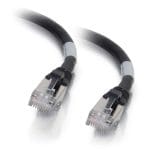 Cabos Ethernet Cat6a
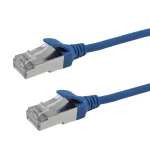 Cabos Cat8
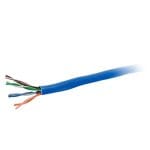 Cabos Ethernet a granel
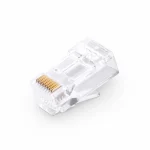 Conectores e tomadas
 Gestão de Cabos
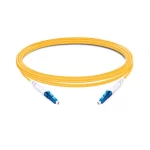 OS2 Monomodo Simplex
 OS2 Monomodo Duplex
 Fibra OM3 Multimodo
 Multimodo OM4
 Multimodo OM2
 Multimodo OM5
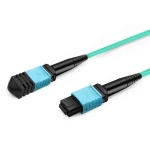 Cabos MTP/MPO
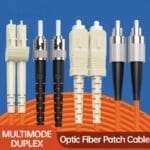 Cabos de Conexão Personalizados
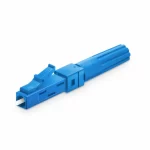 Componentes de fibra óptica
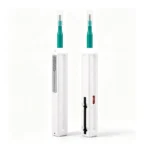 Produtos de Limpeza e Utensílios
 Cabos DisplayPort
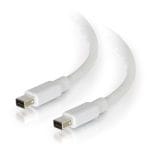 Cabos Mini DisplayPort
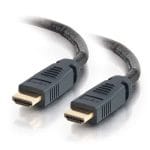 Cabos HDMI
 Cabos HDMI Mini/Micro
 Cabos DVI
 Cabos VGA
 Cabos áudio
 Cabos Thunderbolt
 Cabos USB-C
 Cabos USB 3.0
 Cabos de alimentação
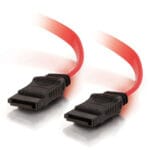 Cabos SATA
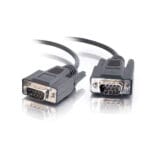 Cabos de série
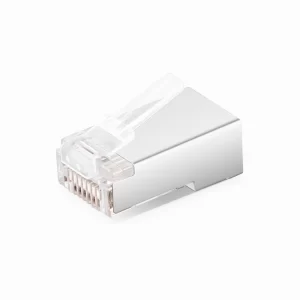 Cat6 RJ45 Pass Through Modular Plugs, Conectores de Rede Blindados para Par Trançado 24AWG Sólido ou Cabo Trançado (50/Pack)
 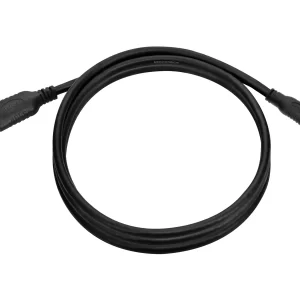 Cabo HDMI de alta velocidade com miniconector HDMI - 4K@60Hz HD 2M BLACKR 18Gbps
 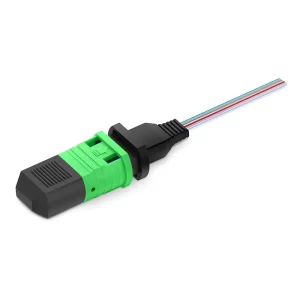 MPO (fêmea) OS1/OS2 Conjunto de campo de modo único Conector de emenda, fita plana
 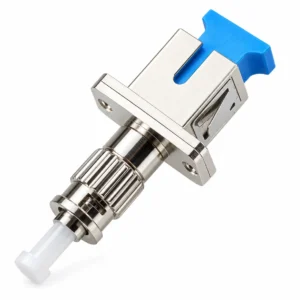 ST Male to SC Female Fiber Optic Adapter, 9/125μm Singlemode Simplex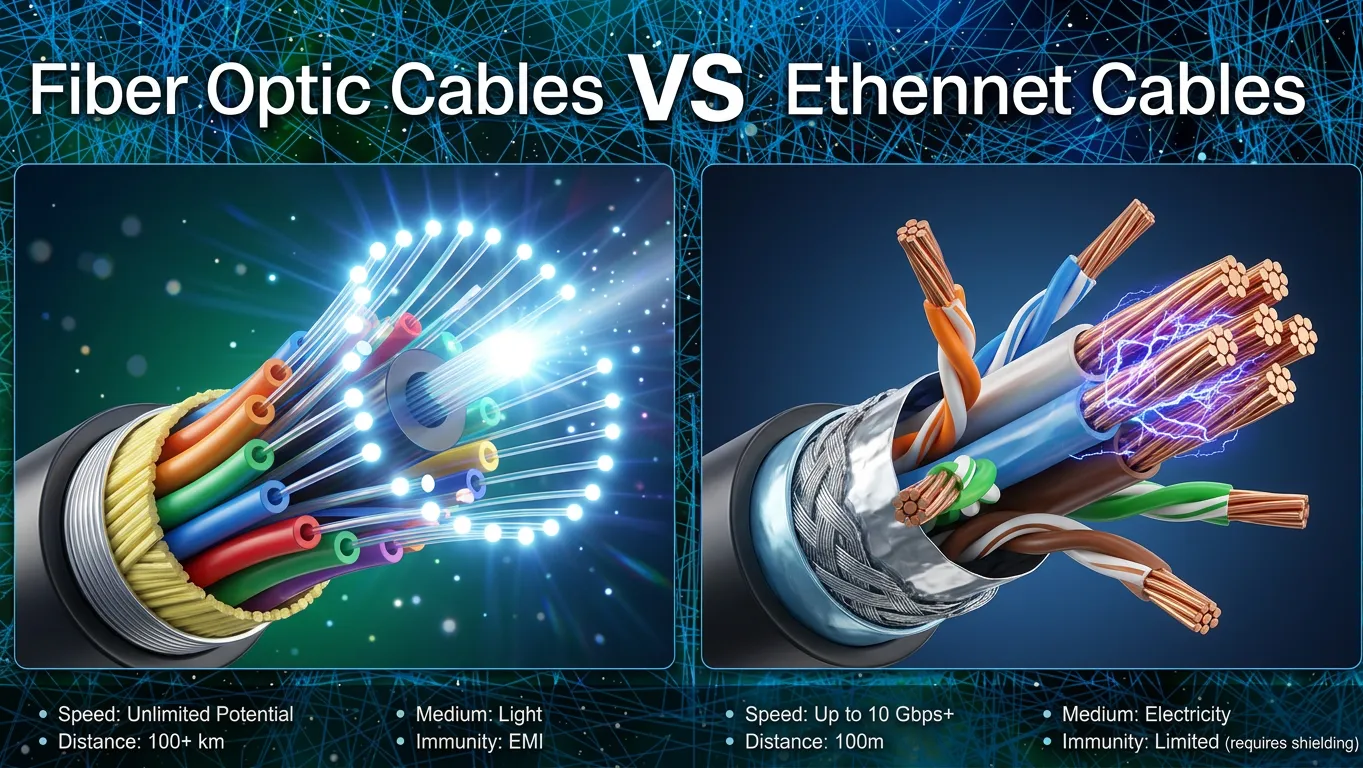
In an era where nearly every part of daily work, entertainment and smart home operation hinges on stable internet access, the quality of your broadband connection directly shapes your overall digital experience. Picking a suitable internet service infrastructure will drastically lift your online efficiency and long-term usage value. This guide breaks down the two most mainstream broadband solutions on the market—fiber-optic internet and traditional coaxial cable internet, along with core fiber cable specifications including OS2, OM2, OM3 and OM4, to help you lock in the most fitting network setup and supporting cabling products.
What Exactly Is Fiber Optic Internet?
Fiber internet transmits data via ultra-fine glass or plastic optical strands, sending data signals close to the speed of light and outperforming copper-based transmission by a wide margin. It stands out for ultra-low signal latency, meaning online gaming, remote video meetings and cloud file access stay smooth and responsive even during peak hours when massive local users go online simultaneously. Thanks to fewer signal transmission nodes and strong anti-interference performance, fiber links rarely suffer from unexpected outages or bandwidth throttling caused by electromagnetic disturbance.
A standout merit of fiber broadband is its symmetrical upload and download bandwidth. If you subscribe to a 1Gbps fiber plan, you receive identical 1Gbps download and upload speeds. Whether you upload large video files, back up cloud data or host live streams, upstream transmission stays just as snappy as downloading content. Do note that wireless Wi-Fi inside your property will inevitably create speed loss; only a direct Ethernet or fiber patch cord wired connection can approach the full contracted bandwidth.
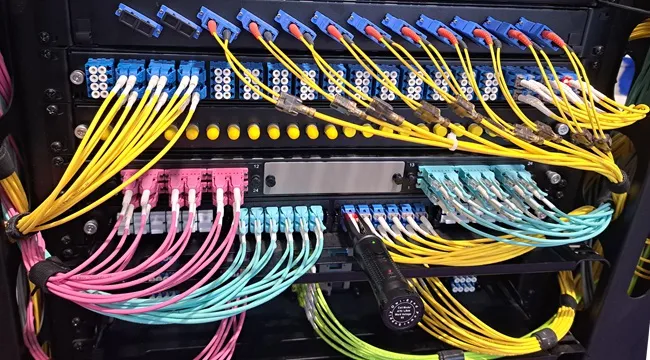
What truly makes fiber a future-proof network foundation lies in its hierarchical cabling system composed of standardized optical fiber types, which our full line of fiber products fully covers:
- OS2 Single-Mode Fiber: The core backbone material for long-distance fiber broadband deployment, including FTTH home fiber access, community trunk lines and cross-building campus networking. With an ultra-thin core structure, it supports stable transmission over dozens of kilometers while bearing 10G, 40G, 100G and even 400G high-speed signals without signal attenuation. All outdoor main lines and household incoming fiber adopt OS2 as the standard medium, capable of expanding to ultra-high bandwidth services for decades without overhauling the main wiring framework.
- OM2 Multimode Fiber: A cost-effective entry-level multimode option, mainly applied to short-distance indoor LAN wiring and small office network layout. It reliably supports 1Gbps Ethernet transmission within 550 meters, fitting basic internal network connection scenarios with moderate budget demands, and serves as a mature choice for legacy local area network renovation projects.
- OM3 Laser-Optimized Multimode Fiber: Upgraded from OM2 with boosted bandwidth, it is designed for 10Gbps network transmission up to 300 meters, widely used for inter-switch wiring inside data centers, server room rack links and high-speed enterprise internal backbone connections, striking a balance between cost and high-speed performance.
- OM4 Enhanced Multimode Fiber: The premium multimode specification optimized on the basis of OM3, extending 10Gbps transmission distance to 550 meters and supporting 40G/100G transmission for 150 meters. It is the preferred cabling solution for newly built data centers, high-performance computing clusters and large-scale smart building internal wiring, fully reserving upgrade space for next-generation network speeds.
This layered fiber architecture lets the overall network easily accommodate rising demands from 4K/8K streaming, whole-home smart IoT devices and multi-device concurrent access, eliminating the need for large-scale hardware replacement within the network system—a critical advantage that coaxial cable internet cannot match.
What Is Traditional Coaxial Cable Internet?
Cable internet repurposes the same coaxial copper wiring originally laid for cable television services, with operators retrofitting the lines to carry internet data starting from the late 1990s. As a mature wired broadband solution with decades of deployment history, it delivers steady basic connectivity and remains a practical pick for households that do not require multi-gigabit top-tier bandwidth.
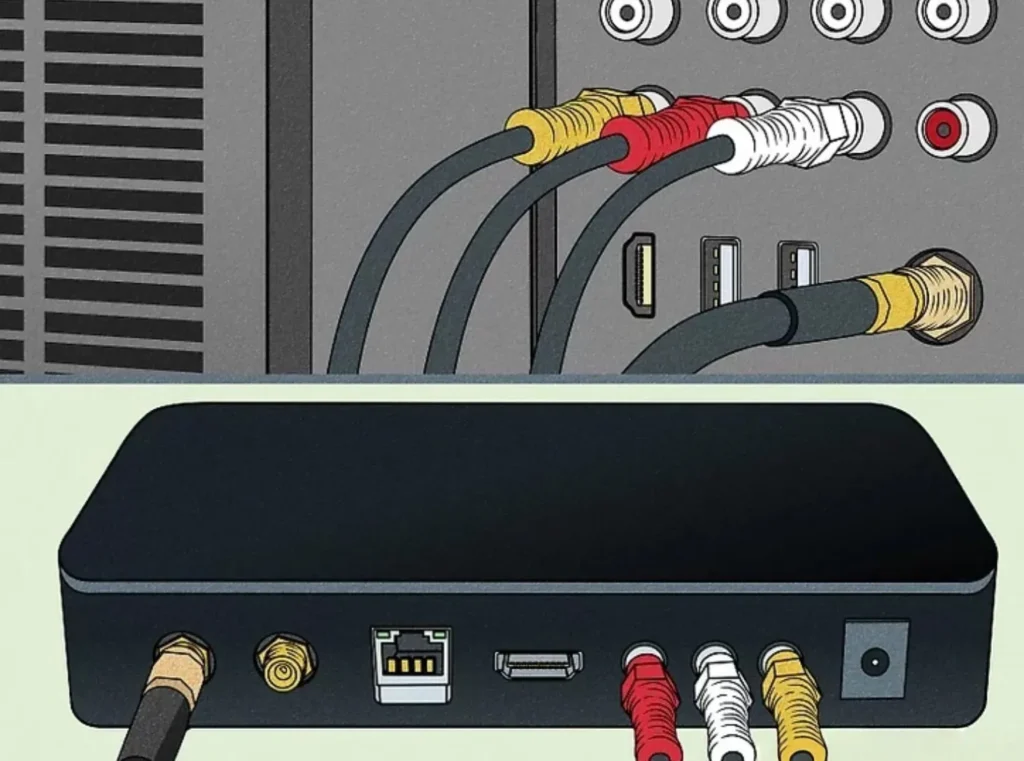
It also brings extra convenience for users who wish to bundle TV landline phone and internet services into one combined package, which has long been the core business model of major cable service providers. Cable internet boasts extensive geographic coverage, delivering typical speeds ranging from 100Mbps to 1Gbps in areas where fiber infrastructure has not yet been rolled out.
Its biggest inherent flaw lies in asymmetrical bandwidth and shared network resources. Even with a 1Gbps download package, upload speeds will be severely capped, leading to noticeable lag during video calls or large file uploads. Worse still, coaxial lines are shared among all neighboring households on the same trunk circuit; network congestion and obvious slowdowns are unavoidable during evening peak usage periods.
How to Choose Between Fiber and Cable Internet
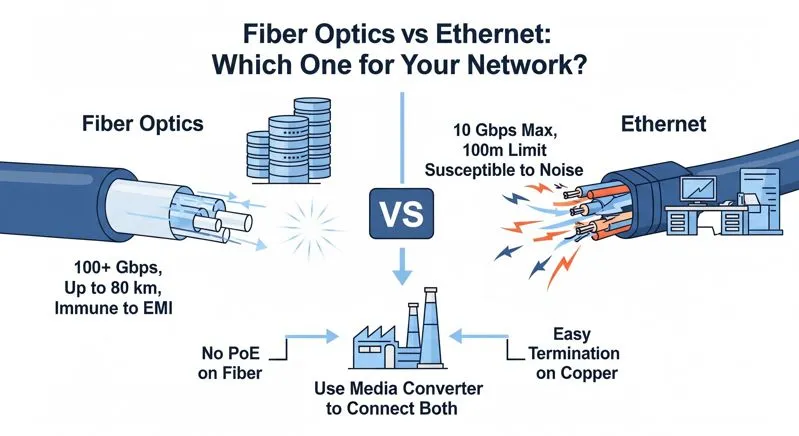
Fiber optic cables support transmission speeds above 100 Gbps with a maximum reach of 80 kilometers, and they are completely resistant to electromagnetic interference.
By contrast, traditional copper Ethernet cables top out at 10 Gbps and can only run up to 100 meters. They are highly vulnerable to signal noise and electromagnetic disruption.
Ethernet cables feature simple termination and native PoE power supply, while fiber cannot carry power directly.
A media converter serves as the bridge to interconnect fiber optic and Ethernet copper networks for flexible networking deployment.
For many users, the first restriction comes down to infrastructure availability: if fiber broadband has not been expanded to your residential area, coaxial cable internet will be your only feasible option. But whenever fiber service is accessible at your address, fiber optic networking will always be the more forward-thinking and high-performance solution.
Fiber’s dedicated transmission line does not split bandwidth with surrounding residents, so you maintain consistent ultra-fast speeds no matter the time of day. Symmetrical uplink and downlink speeds eliminate lag and latency issues completely. Beyond subscribing to a fiber ISP plan, matching your wiring layout with proper OS2, OM2, OM3 or OM4 fiber patch cords and trunk cables directly determines the actual network stability and maximum expandable bandwidth of your whole system:
- Choose OS2 fiber cables for outdoor incoming lines, building backbone and long-distance cross-room connections;
- Select OM2 for low-budget basic office internal LAN wiring;
- Pick OM3 for standard data center and enterprise high-speed short-range links;
- Adopt OM4 for brand-new high-density data center deployment and future-proof smart property cabling.
By switching to fiber broadband and ditching bundled cable TV packages, most users can cut long-term monthly service fees while enjoying far superior network experience.
Coaxial cable internet will not be phased out anytime soon thanks to its wide coverage and bundled service convenience, and it can satisfy lightweight browsing and streaming needs for small families. Nevertheless, fiber-optic technology outpaces copper cable in transmission efficiency, anti-interference ability and upgrade potential by a clear margin. If you pursue a stable network that fits remote work, cloud storage, multi-person gaming and long-term smart home construction, fiber internet paired with standardized OS2, OM2, OM3, OM4 fiber wiring is undoubtedly the most worthwhile investment.