 Cabos Ethernet Cat5e
 Cabos Ethernet Cat6
 Cabos Ethernet Cat6a
 Cabos Cat8
 Cabos Ethernet a granel
 Conectores e tomadas
 Gestão de Cabos
 Ferramentas e Testadores de Rede
 OS2 Monomodo Simplex
 OS2 Monomodo Duplex
 Fibra OM3 Multimodo
 Multimodo OM4
 Multimodo OM2
 Multimodo OM5
 Cabos MTP/MPO
 Cabos de Conexão Personalizados
 Componentes de fibra óptica
 Produtos de Limpeza e Utensílios
 Cabos DisplayPort
 Cabos Mini DisplayPort
 Cabos HDMI
 Cabos HDMI Mini/Micro
 Cabos DVI
 Cabos VGA
 Cabos áudio
 Cabos Thunderbolt
 Cabos USB-C
 Cabos USB 3.0
 Cabos de alimentação
 Cabos SATA
 Cabos de série
Nenhum produto no carrinho.
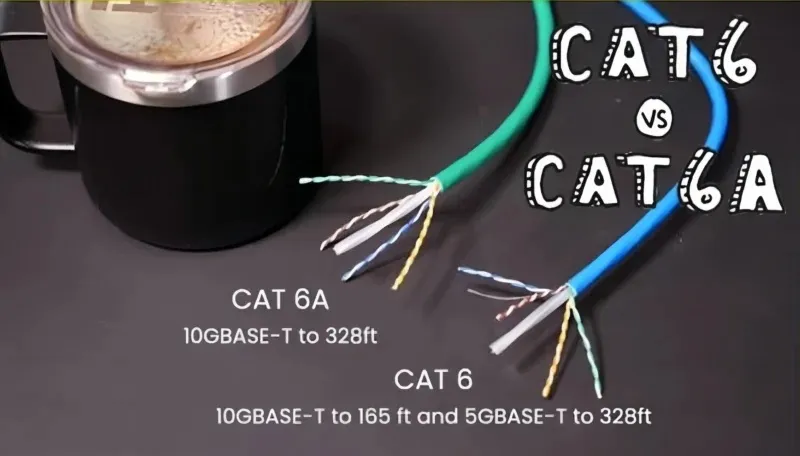
Cabos Ethernet Cat 6 vs Cat 6A: De Qual É Que Precisa Realmente?
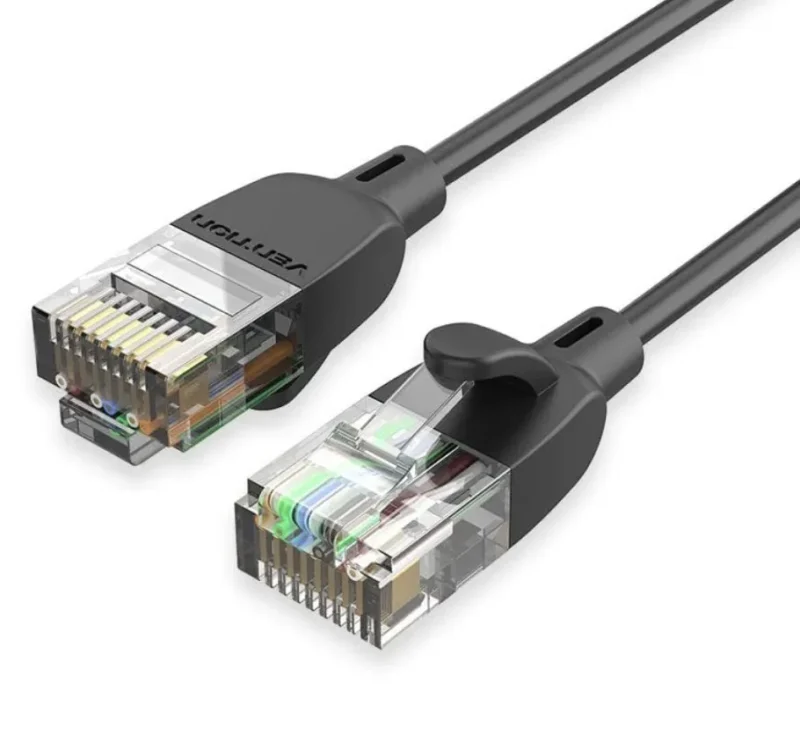
When planning a high-performance home network, smart office, or data center setup, choosing the right physical infrastructure is just as important as investing in a fast router. Among modern cabling options, Cat 6 and Cat 6A remain the two most popular choices for reliable, high-speed wired connections.
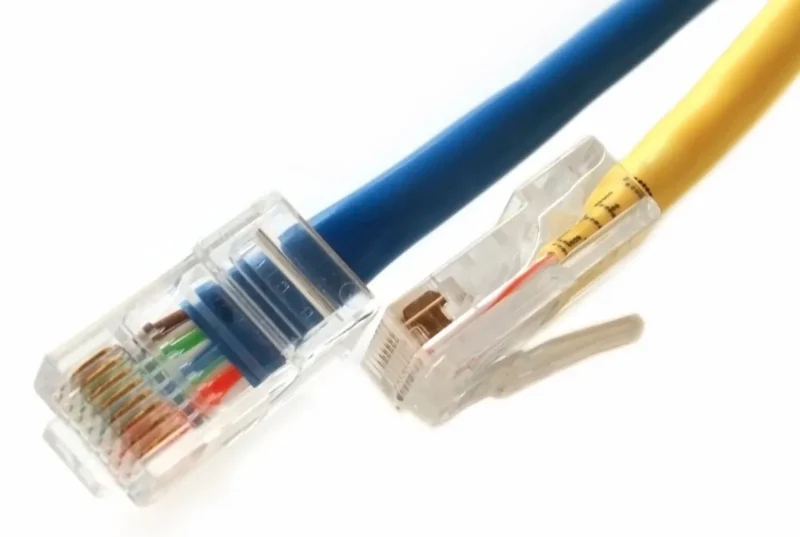
Key Performance Differences at a Glance
Before diving into specific use cases, let’s break down the technical metrics side by side:
| Specification | Cat 6 | Cat 6A (Augmented) |
| Max Bandwidth | 250 MHz | 500 MHz (Double Cat 6) |
| Maximum Speed | 1 Gbps (up to 10 Gbps for short runs under 55m) | 10 Gbps (full performance up to 100m) |
| Crosstalk Protection | Basic physical spline separator | Enhanced shielding (often shielded/STP options) |
| Cable Thickness | Thinner, more flexible | Thicker, stiffer due to extra shielding |
| Ideal Application | Standard home/office setups, gaming | Future-proof wiring, 10G infrastructure, long runs |
Deep Dive: Cat 6
Cat 6 has been the workhorse of standard local area networks for over a decade. It easily handles gigabit internet connections and provides enough headroom for local file transfers, streaming 4K media, and competitive online gaming.
- Pros: Highly flexible, easy to route around tight corners, and very budget-friendly.
- Cons: While it can technically push 10 Gbps speeds, it is limited to a maximum distance of 55 meters under ideal conditions, and is susceptible to alien crosstalk over longer runs.
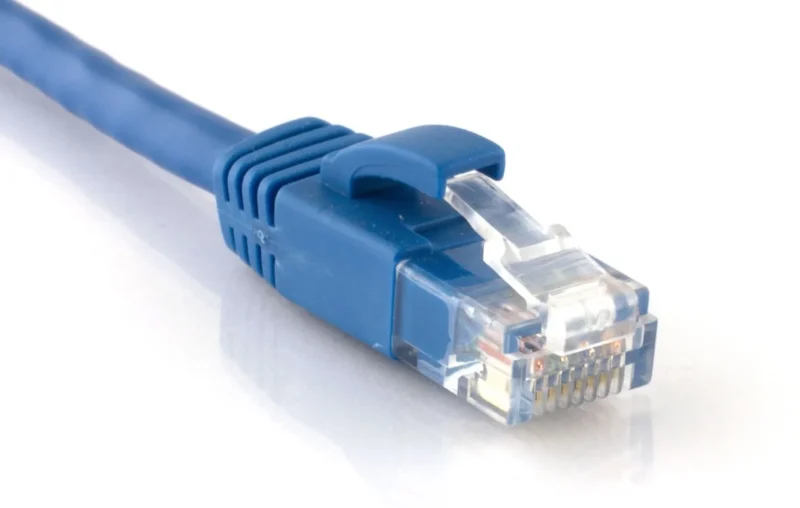
Deep Dive: Cat 6A (Augmented)
Cat 6A doubles the bandwidth frequency of standard Cat 6 from 250 MHz to 500 MHz. The “A” stands for Augmented, meaning it is specifically designed to eliminate alien crosstalk (interference from adjacent cables) and maintain 10 Gbps speeds across the full maximum distance of 100 meters.
- Pros: Future-proofs your network, supports lightning-fast enterprise-grade or enthusiast-tier speeds, and features much better noise rejection.
- Cons: The physical cable is noticeably thicker, heavier, and less flexible, making in-wall installation or tight bends slightly more difficult.
Which One Should You Choose?
Go with Cat 6 if:
- Your internet plan is 1 Gbps or lower.
- You are wiring a standard residential home where runs rarely exceed 50 meters.
- You prefer an easy-to-install, flexible cable that fits easily into standard conduits and patch panels.
Go with Cat 6A if:
- You are upgrading to multi-gigabit internet (2.5 Gbps, 5 Gbps, or 10 Gbps fiber connections).
- You are doing permanent in-wall or ceiling installations where replacing cables later would be expensive and labor-intensive.
- You run cables parallel to heavy electrical lines and need the extra shielding to prevent interference.
Produtos relacionados
-

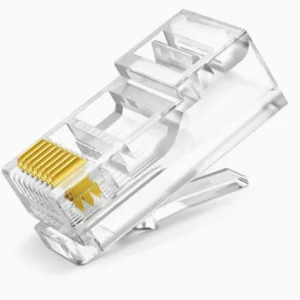
Cat6 RJ45 Modular Plugs – Unshielded, 50 Pack
€2.57 -
Cabos áudio vídeo HDMI
€5.70 -
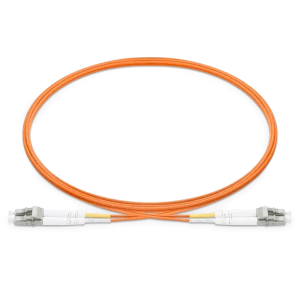
Duplex OM2 Multimode Fiber Patch Cord LC‑UPC to LC‑UPC, 2.0mm LSZH Jacket High‑Bandwidth Optical Jumper for Data Center Short‑Range Cabling
Price range: €3.09 through €7.30 This product has multiple variants. The options may be chosen on the product page -
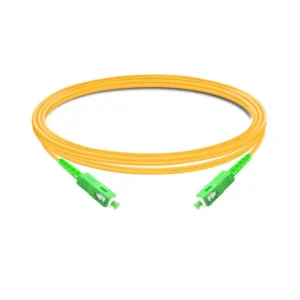
SC APC Cable – SC/APC to SC/APC, OS2 Simplex LSZH
Price range: €1.93 through €4.05 This product has multiple variants. The options may be chosen on the product page -
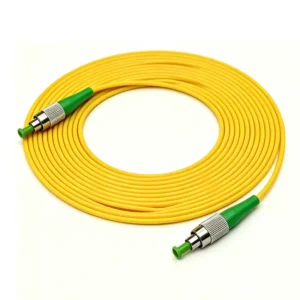
FC APC to FC APC Fiber Patch Cord – OS2 Simplex LSZH
Price range: €2.01 through €4.23 This product has multiple variants. The options may be chosen on the product page -
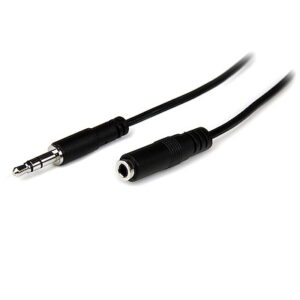
Cabo de extensão de áudio estéreo Slim de 3.5mm de 1m/2m – M/F
Price range: €3.99 through €5.99 This product has multiple variants. The options may be chosen on the product page -
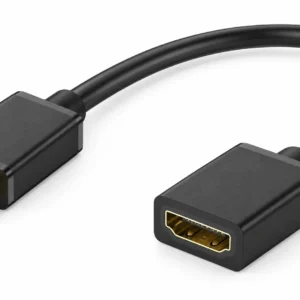
High-Speed HDMI 2.0 Male-to-Female Extension Cable, 4K 60Hz
Price range: €6.99 through €9.99 This product has multiple variants. The options may be chosen on the product page -
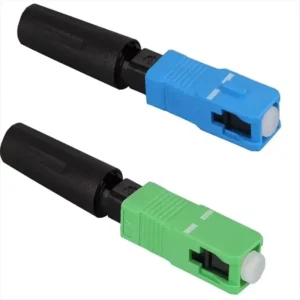
10 unidades Conetor Rápido Conetor Rápido de Fibra Ótica Direto de Fábrica para Cabo Drop FTTH Conetor Rápido de Fibra Ótica
Price range: €8.10 through €8.20 This product has multiple variants. The options may be chosen on the product page