 네트워크 도구 및 테스터
 Cat5e 이더넷 케이블
 Cat6 이더넷 케이블
 Cat6a 이더넷 케이블
 Cat8 케이블
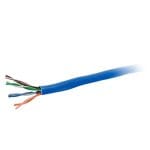 벌크 이더넷 케이블
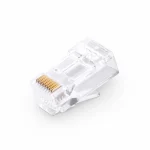 커넥터 및 잭
 케이블 정리
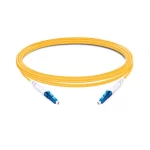 OS2 싱글모드 심플렉스
 OS2 싱글모드 듀플렉스
 OM3 멀티모드 파이버
 OM4 멀티모드
 OM2 멀티모드
 OM5 멀티모드
 MTP/MPO 케이블
 패치 케이블 맞춤
 광섬유 부품
 청소용품 및 도구
 DisplayPort 케이블
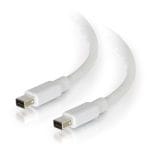 미니 디스플레이포트 케이블
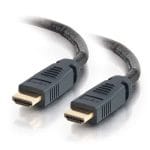 HDMI 케이블
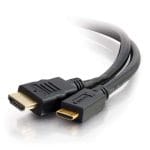 HDMI 미니/마이크로 케이블
 DVI 케이블
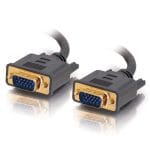 VGA 케이블
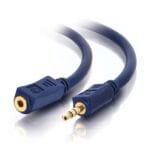 오디오 케이블
 썬더볼트 케이블
 USB-C 케이블
 USB 3.0 케이블
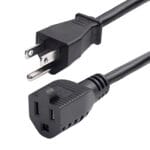 전원 케이블
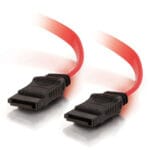 SATA 케이블
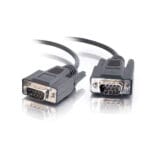 시리얼 케이블
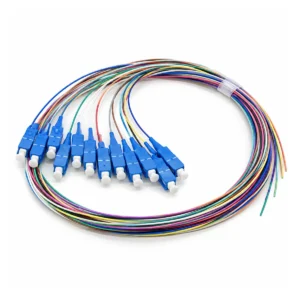 12 Fiber SC UPC Pigtail, 1m G.652.D Single Mode
 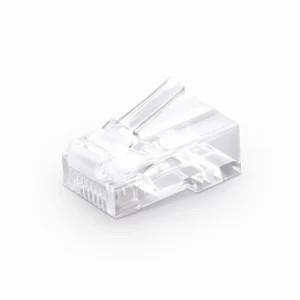 Cat6 RJ45 관통형 모듈러 플러그, 24AWG 연선 또는 단선 케이블용 비차폐 네트워크 커넥터 (50개입)
 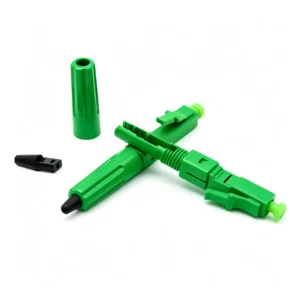 LC APC Field Assembly Mechanical Connector, Simplex OS1/OS2 Single Mode Pre-Polished Ferrule Quick Connector for FTTH
 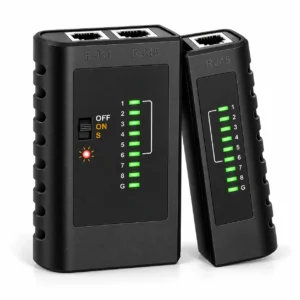 RJ45 RJ11 Network Cable Tester VC468 with Detachable Remote
 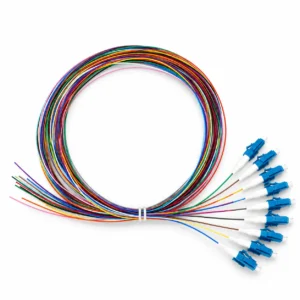 12 Fiber LC UPC Pigtail, 1m G.652.D Single Mode
The reason you rarely see Cat7/Cat7a cables but often encounter Cat8 lies in the former’s issues such as unrecognized standards and incompatible interfaces, along with its lack of significant performance advantages. In contrast, Cat8 perfectly meets the high-speed short-distance transmission needs of current scenarios like data centers while resolving many pain points of the former. A detailed analysis is as follows:
1. Insufficient Standard Recognition, Hindered Popularization in Mainstream Markets
Cat7 was approved in the ISO/IEC 11801 standard in 2002, and Cat7a was launched by ISO in 2010. However, neither gained recognition from the Telecommunications Industry Association (TIA) of North America. TIA standards hold enormous influence in the global network cabling field, directly resulting in Cat7/Cat7a having almost no market presence in North America. Meanwhile, in many regions covered by TIA standards, relevant equipment manufacturers and engineering cabling tend to follow TIA-recognized standards, further impeding the global mainstream market promotion of Cat7/Cat7a. In contrast, Cat8 has been recognized not only by ISO but also incorporated into the TIA standard system. With standardized industry standards, it is naturally more easily accepted and adopted by the market.
2. Incompatible Interfaces, High Practical Usage Costs
To adapt to their own shielding design and performance, Cat7/Cat7a use dedicated interfaces such as GG45 and TERA instead of the universal RJ45 interface. However, the vast majority of household and office network devices on the market, such as computers, routers, and switches, are equipped with RJ45 interfaces. To use Cat7/Cat7a, you either need to purchase additional dedicated adapter devices or replace equipment with compatible interfaces, which significantly increases usage costs. Although Cat8 also features a shielding design, it is compatible with the universal RJ45 interface (some are specially reinforced versions), enabling direct adaptation to existing mainstream network devices without additional adaptation costs and making it more convenient to use.
3. Awkward Performance Positioning, Failure to Form Demand Advantages
Cat7 supports 600MHz bandwidth and 10Gbps speed, while Cat7a upgrades to 1000MHz bandwidth, but both mainly support 10Gbps transmission. The earlier popularized Cat6a, despite having a 500MHz bandwidth, can also stably support 10Gbps speed with a transmission distance of up to 100 meters. For most scenarios, Cat6a’s performance is sufficient to meet needs, and its price is much lower than that of Cat7/Cat7a, making the performance advantages of Cat7/Cat7a seem very insignificant. In contrast, Cat8’s bandwidth jumps directly to 2000MHz, with a speed of up to 25Gbps – 40Gbps, specifically designed for short-distance high-speed transmission scenarios. This performance breakthrough perfectly fills the demand gap for ultra-high-speed copper cable transmission in scenarios like data centers, making it far more practical than Cat7/Cat7a.
4. Misalignment with Scenario Demand, Cat8 Better Fits Current Mainstream Needs
Current high-speed network transmission demand is concentrated in data centers, where the distance between devices is usually short (mostly within 30 meters), which perfectly matches Cat8’s short-distance high-speed transmission characteristics. It can meet the 25G/40Gbps high-speed data exchange needs between servers, switches, and other devices, becoming an excellent choice for data center cabling. Although Cat7/Cat7a is designed with a 100-meter transmission distance, which seems to have a wide application range, in long-distance high-speed transmission scenarios, optical fibers have more advantages in anti-interference and transmission stability and are mostly replaced by optical fibers. In short-distance scenarios, due to lower speed than Cat8 and higher price than Cat6a, it is difficult to find exclusive core application scenarios, resulting in extremely low demand.