 네트워크 도구 및 테스터
 Cat5e 이더넷 케이블
 Cat6 이더넷 케이블
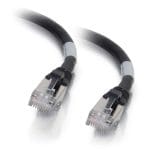 Cat6a 이더넷 케이블
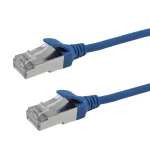 Cat8 케이블
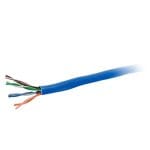 벌크 이더넷 케이블
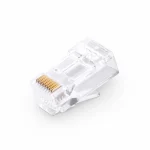 커넥터 및 잭
 케이블 정리
 OS2 싱글모드 심플렉스
 OS2 싱글모드 듀플렉스
 OM3 멀티모드 파이버
 OM4 멀티모드
 OM2 멀티모드
 OM5 멀티모드
 MTP/MPO 케이블
 패치 케이블 맞춤
 광섬유 부품
 청소용품 및 도구
 DisplayPort 케이블
 미니 디스플레이포트 케이블
 HDMI 케이블
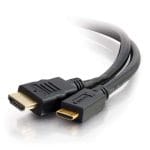 HDMI 미니/마이크로 케이블
 DVI 케이블
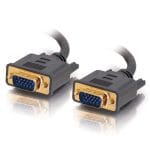 VGA 케이블
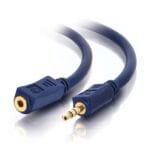 오디오 케이블
 썬더볼트 케이블
 USB-C 케이블
 USB 3.0 케이블
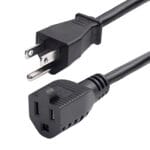 전원 케이블
 SATA 케이블
 시리얼 케이블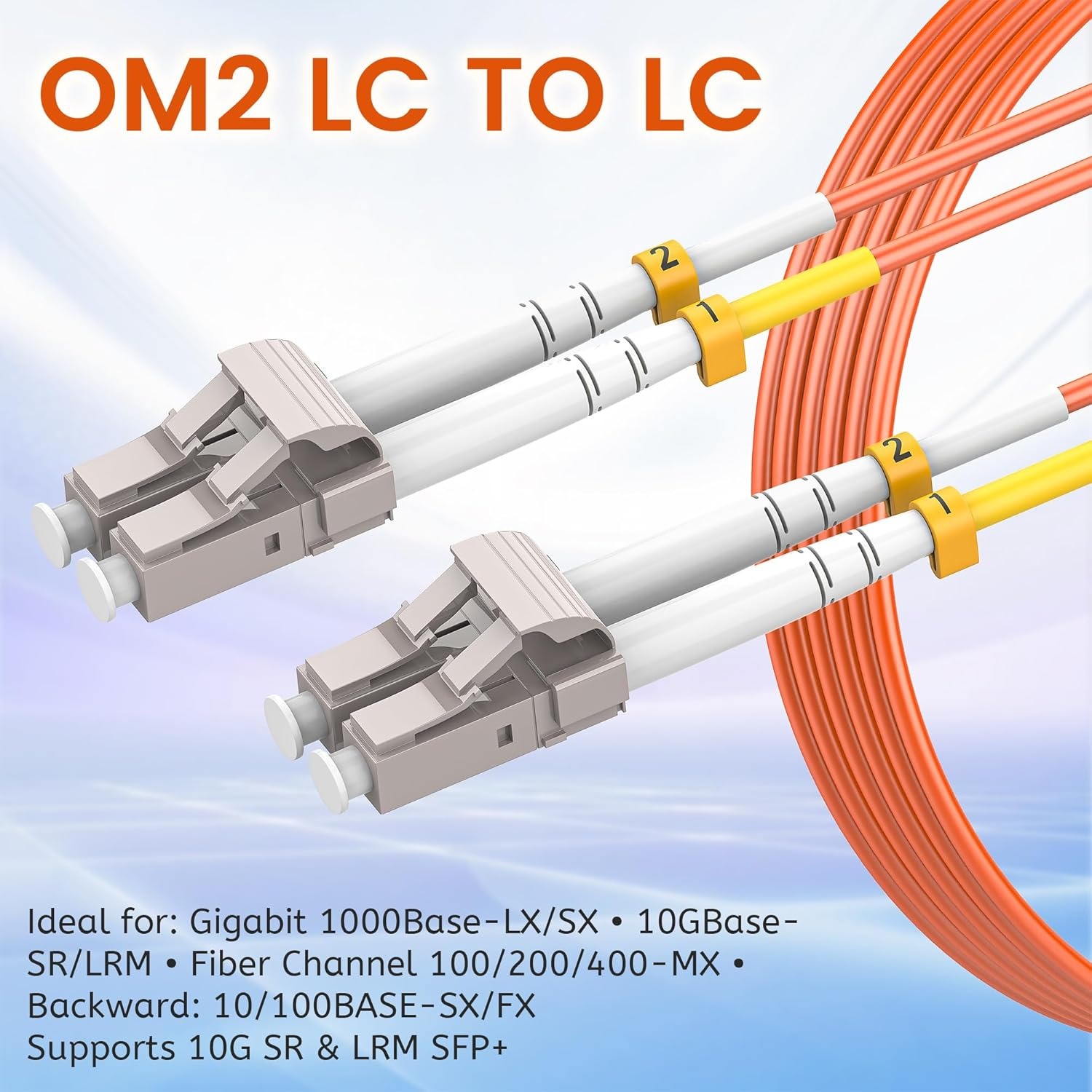
In structured cabling, enterprise networks, and building infrastructure projects, fiber cable selection is critical to overall network speed, stability, and long-term reliability. While OM3 and OM4 laser-optimized fibers dominate modern 10G deployments, OM2 multimode fiber remains a reliable, widely deployed cabling staple for mainstream networking scenarios.
Thanks to its mature manufacturing and consistent performance, OM2 has long been the go-to option for gigabit LAN, building, and campus network deployments, delivering exceptional value without sacrificing stability. This article breaks down OM2’s key specifications, transmission capabilities, pros and cons, real-world use cases, and industry comparisons to help you make better cabling decisions.
1. What Is OM2 Fiber? Core Specifications
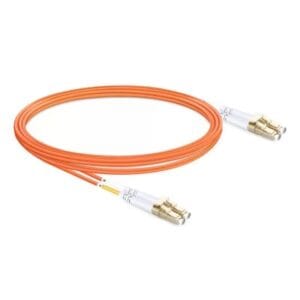
OM2 is a 50/125μm graded-index multimode fiber, easily identifiable by its standard orange jacket. As an upgrade over legacy OM1 (62.5/125μm) fiber, it features a refined core design that minimizes modal dispersion and boosts overall bandwidth. This makes it ideal for short-to-medium range gigabit and sub-gigabit transmissions using traditional LED-based transceivers.
Key Technical Specifications
- Core/Cladding Dimensions: 50μm core, 125μm cladding — a universal standard compatible with most mainstream network hardware
- Bandwidth Rating: 500 MHz·km at 850nm/1300nm wavelengths, delivering significantly better performance than traditional OM1 fiber
- Optical Source Compatibility: Designed for conventional LED light sources, not optimized for VCSEL laser transmission
- Color Coding: Orange jacket, distinguishing it from OM3/OM4 aqua and OM5 lime-colored fiber cables
2. Transmission Performance: Excellent for Gigabit, Limited for 10G
A common misconception among network engineers is that OM2 supports unrestricted high-speed transmission. In reality, it has strict speed and distance limitations that must be followed to avoid signal attenuation, packet loss, and network instability.
1G Gigabit Ethernet (Best-Case Scenario)
OM2 excels in gigabit Ethernet environments. It supports stable transmission up to 600 meters at 850nm and 550 meters at 1300nm, with low signal loss and consistent performance. This fully covers the distance requirements for most building interconnections and campus-wide gigabit LAN deployments.
10G 10-Gigabit Ethernet (Limited Usage)
While OM2 can technically run 10G Ethernet, its usability is extremely limited, with a maximum reach of only 82 meters at 850nm. Without VCSEL laser optimization, sustained 10G high-load traffic causes excessive modal dispersion and signal degradation. For this reason, OM2 is not recommended for 10G backbone or production-grade network links.
25G/40G/100G High-Speed Transmission
Per IEEE networking standards, OM2 does not support 25G, 40G, or 100G high-speed transmissions. It is unsuitable for modern high-density data centers and hyper-scale network interconnections that require elevated bandwidth and throughput.
3. Advantages and Limitations
Core Advantages
- Proven Reliability: Mature production technology ensures minimal transmission loss, strong noise immunity, and near-zero failure rates for 24/7 continuous operation
- Broad Compatibility: Backward compatible with OM1 infrastructure and works with most standard optical modules and switch ports, cutting down legacy network upgrade costs
- Excellent Cost Efficiency: Lower material and installation costs compared to laser-optimized OM3/OM4 fibers, making it ideal for large-scale, budget-conscious cabling projects
- Flexible Deployment: Good bending tolerance adapts to complex indoor and building wiring layouts, reducing installation difficulty and long-term maintenance overhead
Main Limitations
- Lack of laser optimization leads to severe modal dispersion under high-speed traffic, restricting high-bandwidth performance
- Very limited 10G transmission range, only viable for short patch cord connections within server rooms
- Fixed bandwidth ceiling cannot support high-demand scenarios such as cloud computing, big data transmission, and high-concurrency enterprise networks
4. Applicable Scenarios for OM2 Fiber
OM2 fiber is far from obsolete. It delivers unbeatable cost-performance for standard gigabit networking use cases and remains a go-to solution for non-high-speed network infrastructure deployments worldwide.
- Gigabit LAN cabling for enterprise campuses and commercial office buildings
- High-terminal-count internal networks for schools and hospitals
- Legacy network modernization and OM1 fiber replacement upgrades
- Video surveillance and security monitoring transmission for parks and building complexes
- Short-range patch cord connections in standard enterprise server rooms
Pro Tip: For new data center builds, high-density computing environments, and projects requiring future 10G+ scalability, opt for OM3 or OM4 fiber upfront to avoid costly secondary infrastructure upgrades.