 Cat5e 이더넷 케이블
 Cat6 이더넷 케이블
 Cat6a 이더넷 케이블
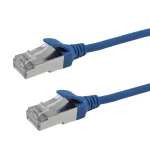 Cat8 케이블
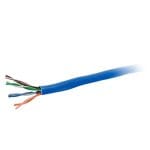 벌크 이더넷 케이블
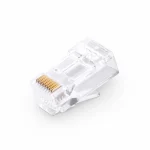 커넥터 및 잭
 케이블 정리
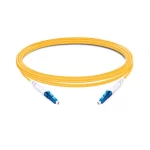 OS2 싱글모드 심플렉스
 OS2 싱글모드 듀플렉스
 OM3 멀티모드 파이버
 OM4 멀티모드
 OM2 멀티모드
 OM5 멀티모드
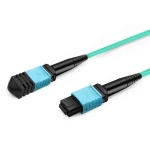 MTP/MPO 케이블
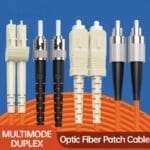 패치 케이블 맞춤
 광섬유 연결
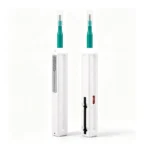 청소용품 및 도구
 DisplayPort 케이블
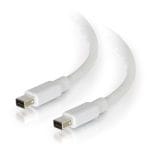 미니 디스플레이포트 케이블
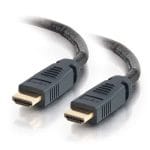 HDMI 케이블
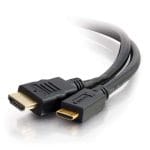 HDMI 미니/마이크로 케이블
 DVI 케이블
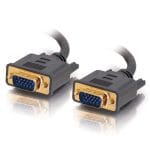 VGA 케이블
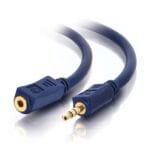 오디오 케이블
 썬더볼트 케이블
 USB-C 케이블
 USB 3.0 케이블
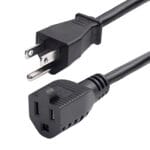 전원 케이블
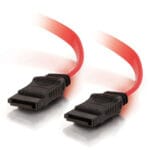 SATA 케이블
 시리얼 케이블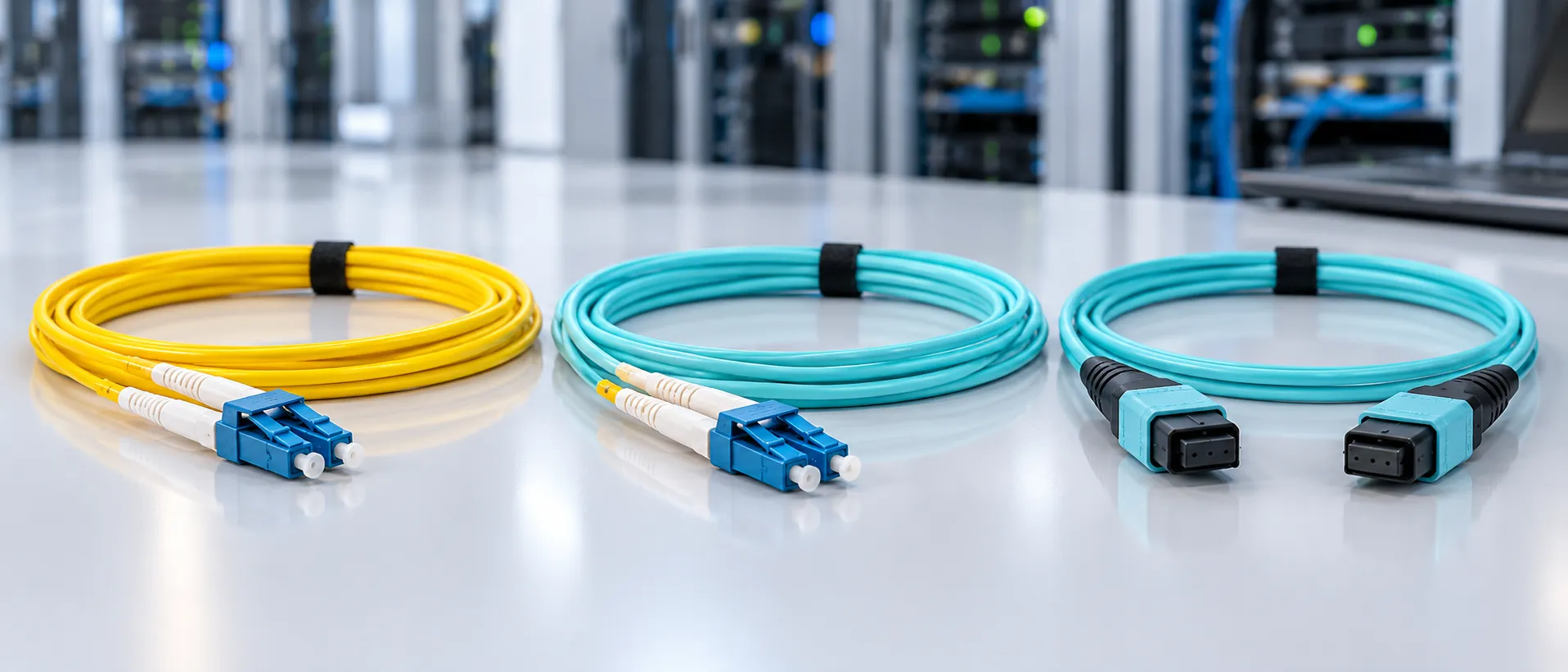
How to Choose Fiber Patch Cord for Data Centers
When you need to choose fiber patch cord for a data center, the connector type alone is not enough. A suitable fiber patch cord must match the network distance, optical equipment, fiber type, polarity, and installation environment.
This guide explains how to choose fiber patch cord by checking the most important specifications before purchase. Understanding these factors helps avoid compatibility problems and unnecessary replacement costs.
What Is a Fiber Patch Cord?
A fiber patch cord is a pre-terminated optical cable assembly used to connect switches, servers, patch panels, and other fiber optic equipment. It normally includes a fiber cable with connectors installed at one or both ends.
Different data center applications require different patch cord configurations. The correct choice depends on transmission distance, connector density, optical interface, and cabling design.
Step 1: Select the Right Fiber Type
OS2 Single-Mode Fiber Patch Cord
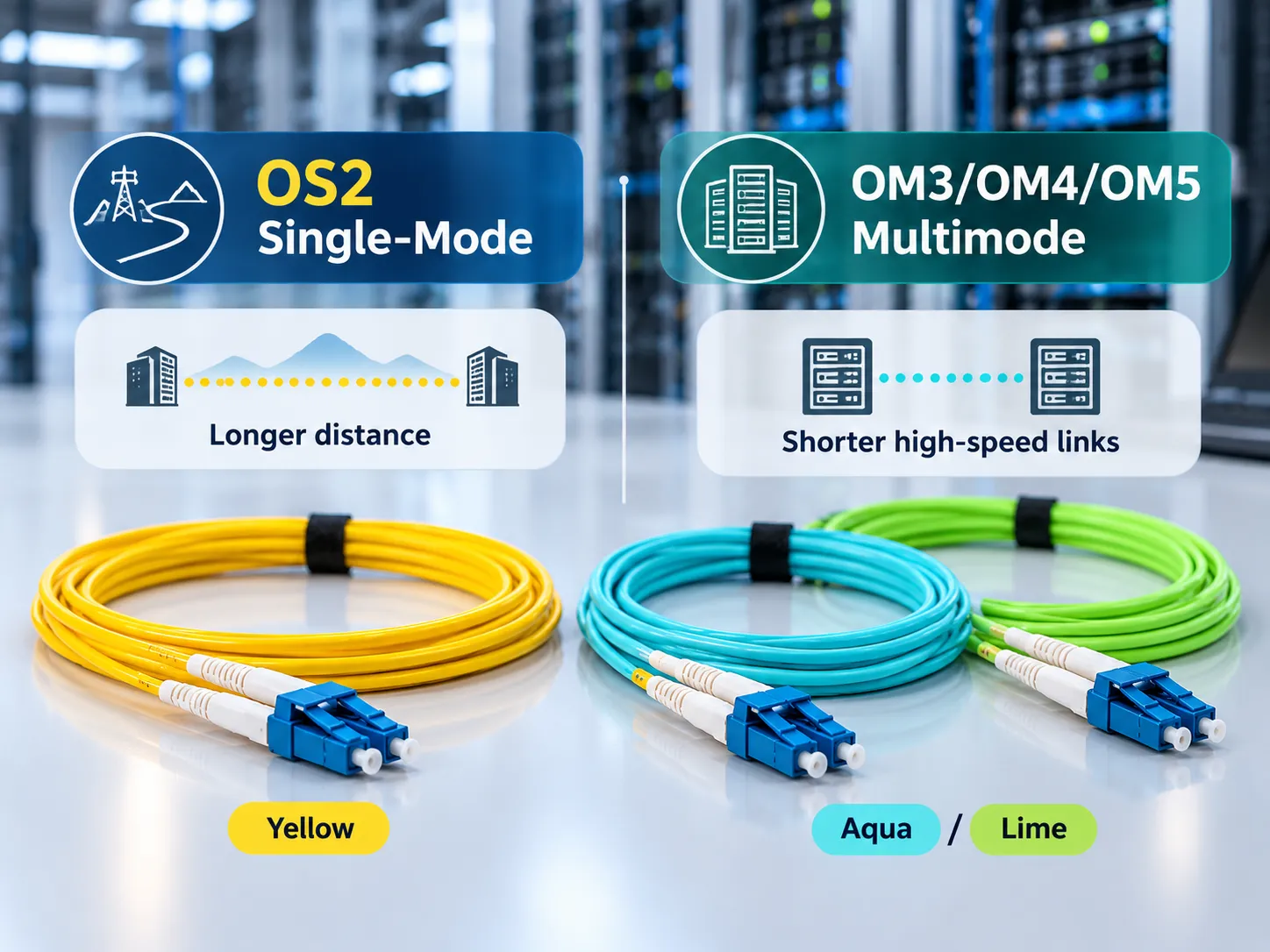
OS2 single-mode fiber patch cords are commonly selected for longer-distance links where low attenuation and extended transmission distance are required.
OM3, OM4, and OM5 Multimode Fiber Patch Cord
Multimode fiber patch cords are widely used inside data centers for shorter high-speed connections. OM4 is commonly used for high-performance data center links, while OM5 may support specific short-wave wavelength applications.
Step 2: Choose the Correct Connector Type
Connector selection should match the equipment ports and cabling architecture.
- LC connectors are common in high-density data center environments.
- SC connectors are used in many enterprise and telecom applications.
- MPO connectors support multi-fiber high-density connections.
Step 3: Check Polarity and Duplex Configuration
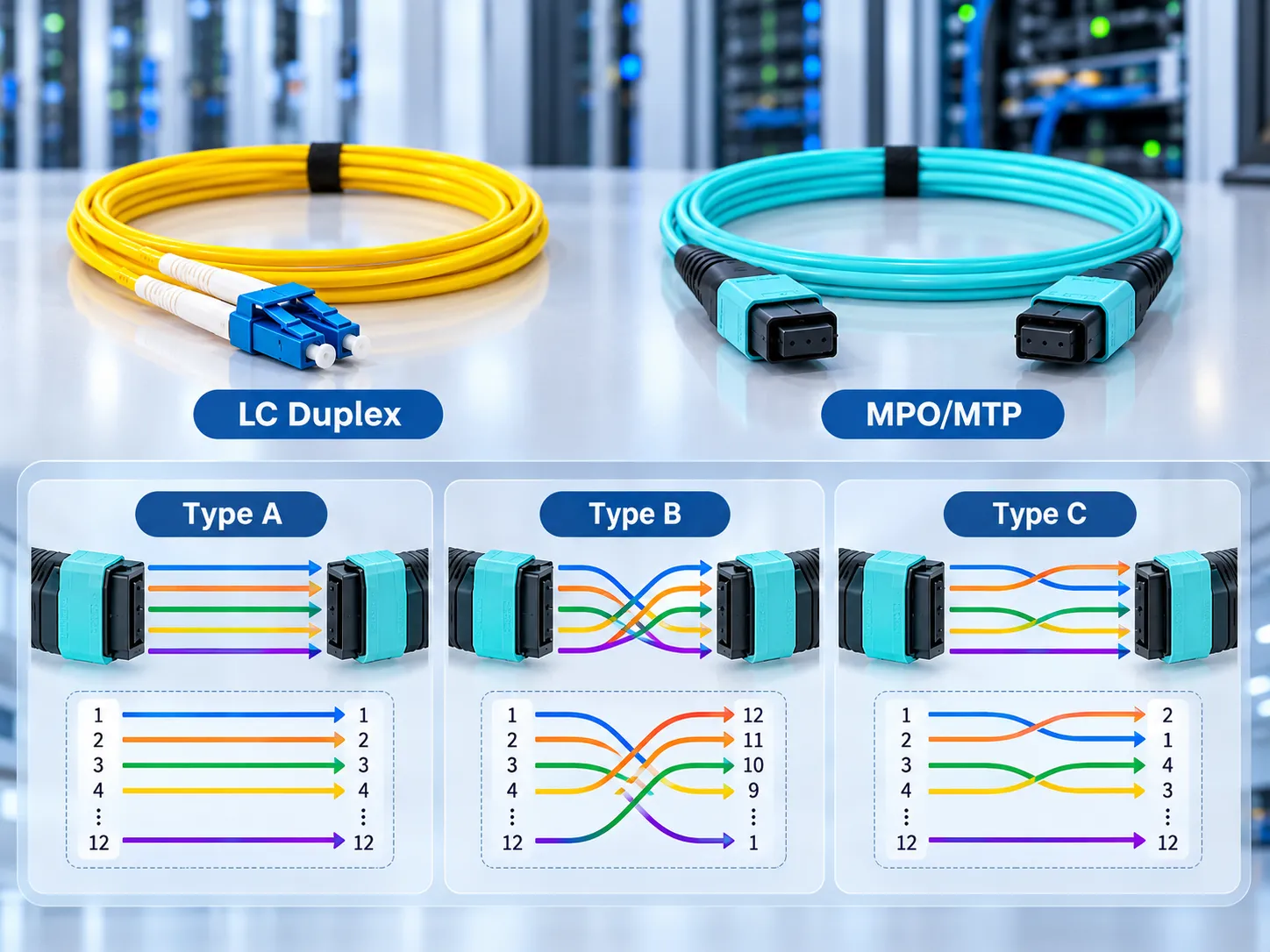
Fiber polarity defines how optical signals are transmitted between connected devices. Before ordering, confirm whether the system requires duplex patch cords or MPO polarity configurations.
A wrong polarity choice can prevent links from communicating correctly even when the cable itself meets the optical specification.
Step 4: Confirm Connector Polish
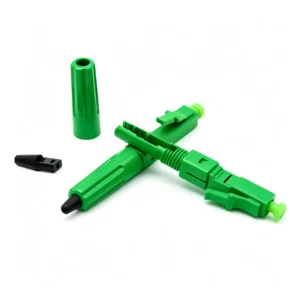
UPC and APC describe different connector end-face polishing methods. They should not be mixed because the equipment interface and application requirements determine the correct choice.
Always confirm connector type and polish together instead of relying only on the connector name.
Step 5: Verify Length, Jacket, and Environment
Select a practical cable length that supports clean installation without excessive slack. The jacket material should also match the installation environment and local requirements.
Common Fiber Patch Cord Buying Mistakes
- Choosing a cable only by connector appearance.
- Ignoring OS2 or OM fiber selection.
- Using incorrect polarity in duplex or MPO systems.
- Comparing specifications without checking test conditions.
Final Checklist Before Ordering
Before ordering a fiber patch cord, confirm fiber type, connector interface, polarity, polish, length, and application requirements.
A complete specification check makes it easier to select the correct cable for data center deployment and avoid installation problems.