 Cat5e 이더넷 케이블
 Cat6 이더넷 케이블
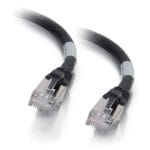 Cat6a 이더넷 케이블
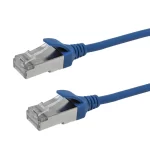 Cat8 케이블
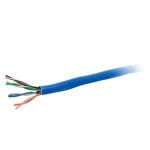 벌크 이더넷 케이블
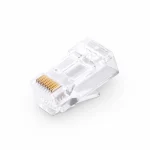 커넥터 및 잭
 케이블 정리
 네트워크 도구 및 테스터
 OS2 싱글모드 심플렉스
 OS2 싱글모드 듀플렉스
 OM3 멀티모드 파이버
 OM4 멀티모드
 OM2 멀티모드
 OM5 멀티모드
 MTP/MPO 케이블
 패치 케이블 맞춤
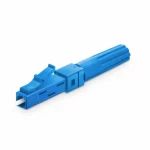 광섬유 부품
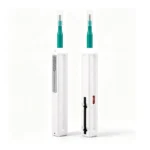 청소용품 및 도구
 DisplayPort 케이블
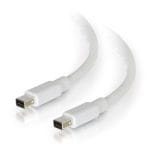 미니 디스플레이포트 케이블
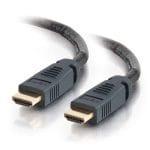 HDMI 케이블
 HDMI 미니/마이크로 케이블
 DVI 케이블
 VGA 케이블
 오디오 케이블
 썬더볼트 케이블
 USB-C 케이블
 USB 3.0 케이블
 전원 케이블
 SATA 케이블
 시리얼 케이블
장바구니에 상품이 없습니다.
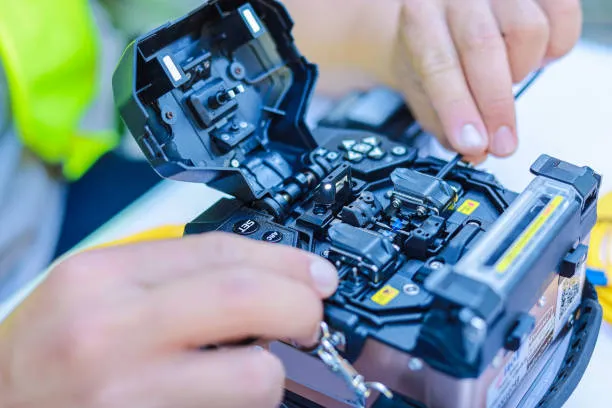
광섬유 접속의 종합적 개요: 특징 및 작동 절차
Principles and Features of Fiber Splicing
Fiber optic splicing refers to the process of connecting two fiber optic cables into a complete transmission link, mainly used to extend cable length or repair fiber networks, and is critical for connecting different types of optical cables. Its core purpose is to ensure that light signals transmit continuously with minimal loss, which requires precise alignment of fiber cores; professional fusion splicing generally controls loss below 0.1 dB, and mechanical splicing below 0.5 dB. This is not a simple connection, but a rigorous operation including cleaning, cutting and precise alignment, divided into fusion splicing using heat welding and mechanical splicing fixed by tools. Optical fibers cannot be connected by twisting like copper wires, otherwise it will cause serious signal attenuation and damage. Compared with removable connectors, splicing forms a basically permanent connection with lower loss, which is more suitable for long-distance lines and fixed maintenance. High-quality splicing can build a smooth optical signal transmission path, effectively reduce data loss, and directly improve the stability and speed of the network, ensuring the smooth operation of services such as the Internet, video conferences and large file transmission.
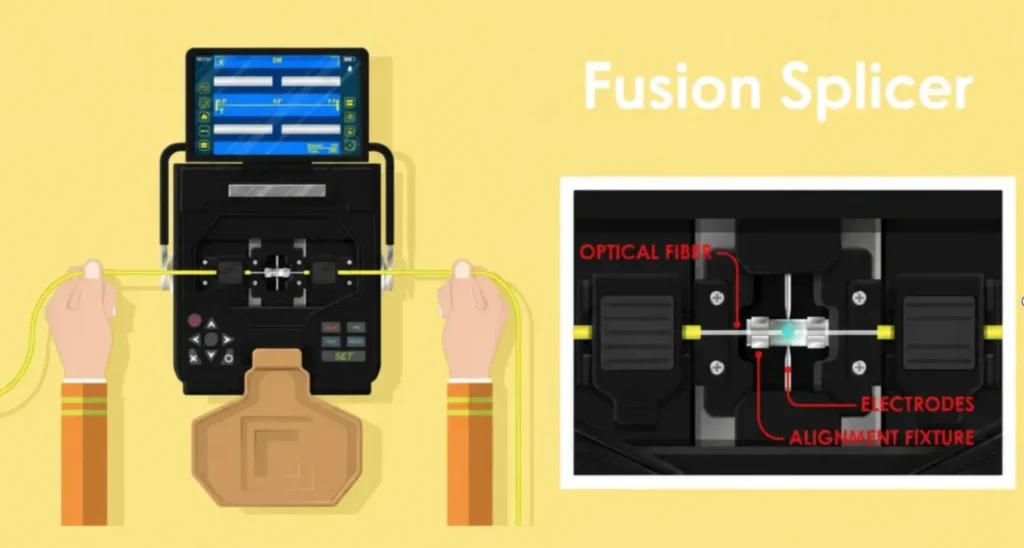
Fiber Splicing: Benefits, Practices
Fiber optic splicing is an indispensable part of network operation, acting as an overlooked key support for fast and stable data transmission and supporting various services and urban network expansion. High-standard fusion splicing can extremely reduce signal loss and create firm, permanent connections, which, together with careful protection and regular inspection, guarantees long-term network stability. Although fusion splicing equipment has a higher upfront cost, it brings better economic benefits in the long run by cutting maintenance and downtime expenses, and skilled splicing technicians are also well-compensated. In addition to fusion splicing, mechanical splicing is another common connection method; practitioners in the telecom and broadband industries need to select the appropriate splicing type based on practical demands, as the two approaches differ in working principles, advantages and applicable scenarios.
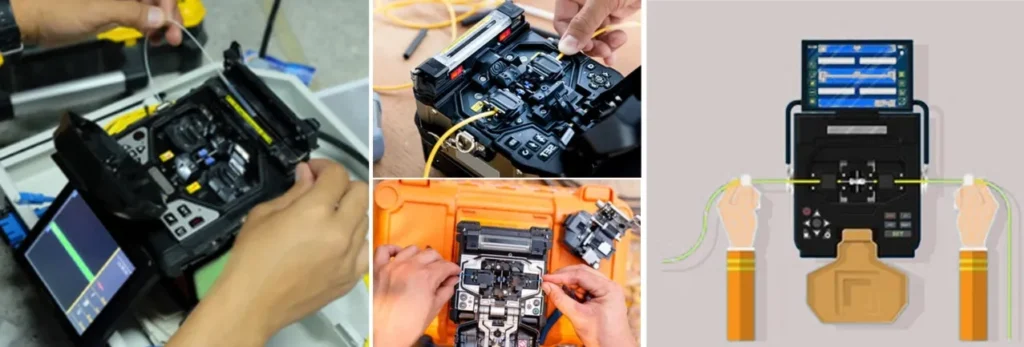
To fully understand and master fiber splicing technology, a complete set of operating procedures must be carried out step by step, covering different splicing methods and post-splicing management.
1. Implementation of Mechanical Splicing
Complete the splicing of two optical fibers by adopting the mechanical splicing method. Employ a visual fault locator to calibrate and optimize the splice joint. Conduct fiber cleaving and repeat the whole procedure several times.

2. Fusion Splicing for Individual Fibers
Employ a fusion splicer to join two fibers and mount the splice protector afterwards. Use an OTDR for testing where possible. Check the fusion joint with a VFL, and observe the distinctions between fusion splicing and mechanical splicing during the test.

3.Ribbon Fiber Splicing (Mass Fusion Splicing)
Carry out fusion splicing for fiber ribbons in batches. If ribbon splicing equipment and fiber ribbons are available, proceed with the splicing work. Provided that an OTDR and sufficient fiber links are on hand, test all splice points with the device. Analyze and compare the splicing results of each individual fiber within the ribbon.

4.Installing Splice Joints in Splice Trays and Closures
After completing the fiber splicing, place all splice joints into the splice trays, then insert the trays into corresponding splice closures. Given the variety of splice closure designs, the exact placement practice may vary. However, the standard procedure for loose-tube cables is to handle one tube from each spliced cable per splice tray, with a maximum of 12 fibers (the typical capacity per tube) being spliced in a single tray.
관련 제품
-

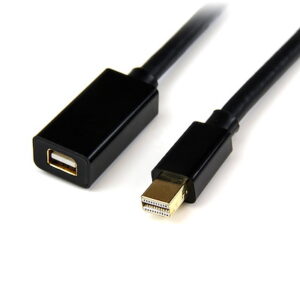
미니 디스플레이포트 연장 케이블 – 4K x 2K 비디오 – 미니 디스플레이포트 수-암 연장 코드 – mDP 1.2 익스텐더 케이블 – 미니 DP 또는 썬더볼트 2 Mac/PC와 호환
가격 범위: ₩8.99~₩16.99 여러 상품 옵션이 이 상품에 있습니다. 상품 페이지에서 옵션을 선택할 수 있습니다 -
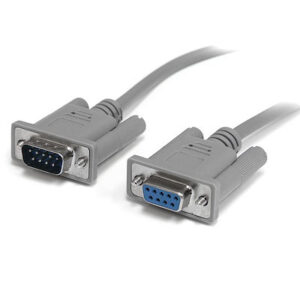
3m B9 RS232 직렬 널 모뎀 케이블 F/M
₩6,811 -
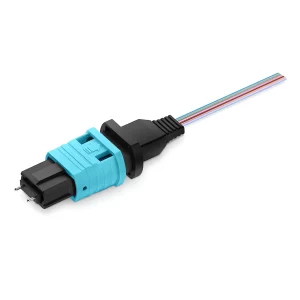
MPO (수컷) OM3/OM4 멀티모드 현장 조립 스플라이스 온 커넥터, 플랫 리본
₩17,199 -
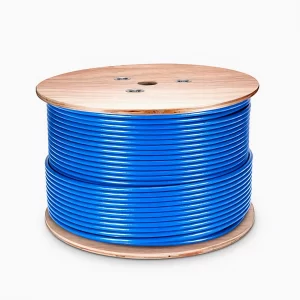
Cat6 이더넷 벌크 케이블, 305m, 23AWG 솔리드 순수 구리선, 550MHz, 차폐형(SF/UTP), PVC CMR, 릴 포함(파란색)
₩767,813 -
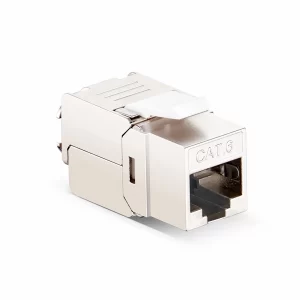
미니 Cat6 RJ45 (8P8C) 차폐 무공구 키스톤 잭 (12개입/팩)
₩63,882 -
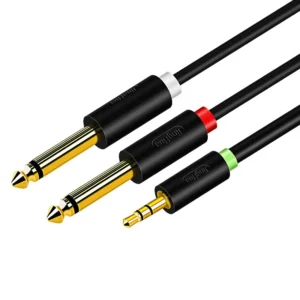
멀티 스타일 6.35mm 오디오 악기 케이블 3.5mm-6.35mm / 듀얼 6.35 / 6.35-6.35 믹서 마이크 스피커용 코드
가격 범위: ₩2.51~₩9.99 여러 상품 옵션이 이 상품에 있습니다. 상품 페이지에서 옵션을 선택할 수 있습니다 -
Cat6a RJ45 (8P8C) 비차폐 펀치다운 키스톤 잭 모듈, (10개입/팩)
₩29,484 여러 상품 옵션이 이 상품에 있습니다. 상품 페이지에서 옵션을 선택할 수 있습니다 -
Cat6a 26AWG 스내그리스 차폐(S/FTP) PVC CM 이더넷 네트워크 패치 케이블, 10Pcs/팩
가격 범위: ₩33.30~₩65.70 여러 상품 옵션이 이 상품에 있습니다. 상품 페이지에서 옵션을 선택할 수 있습니다