 Cat5e 이더넷 케이블
 Cat6 이더넷 케이블
 Cat6a 이더넷 케이블
 Cat8 케이블
 벌크 이더넷 케이블
 커넥터 및 잭
 케이블 정리
 네트워크 도구 및 테스터
 OS2 싱글모드 심플렉스
 OS2 싱글모드 듀플렉스
 OM3 멀티모드 파이버
 OM4 멀티모드
 OM2 멀티모드
 OM5 멀티모드
 MTP/MPO 케이블
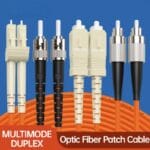 패치 케이블 맞춤
 광섬유 부품
 청소용품 및 도구
 DisplayPort 케이블
 미니 디스플레이포트 케이블
 HDMI 케이블
 HDMI 미니/마이크로 케이블
 DVI 케이블
 VGA 케이블
 오디오 케이블
 썬더볼트 케이블
 USB-C 케이블
 USB 3.0 케이블
 전원 케이블
 SATA 케이블
 시리얼 케이블
장바구니에 상품이 없습니다.
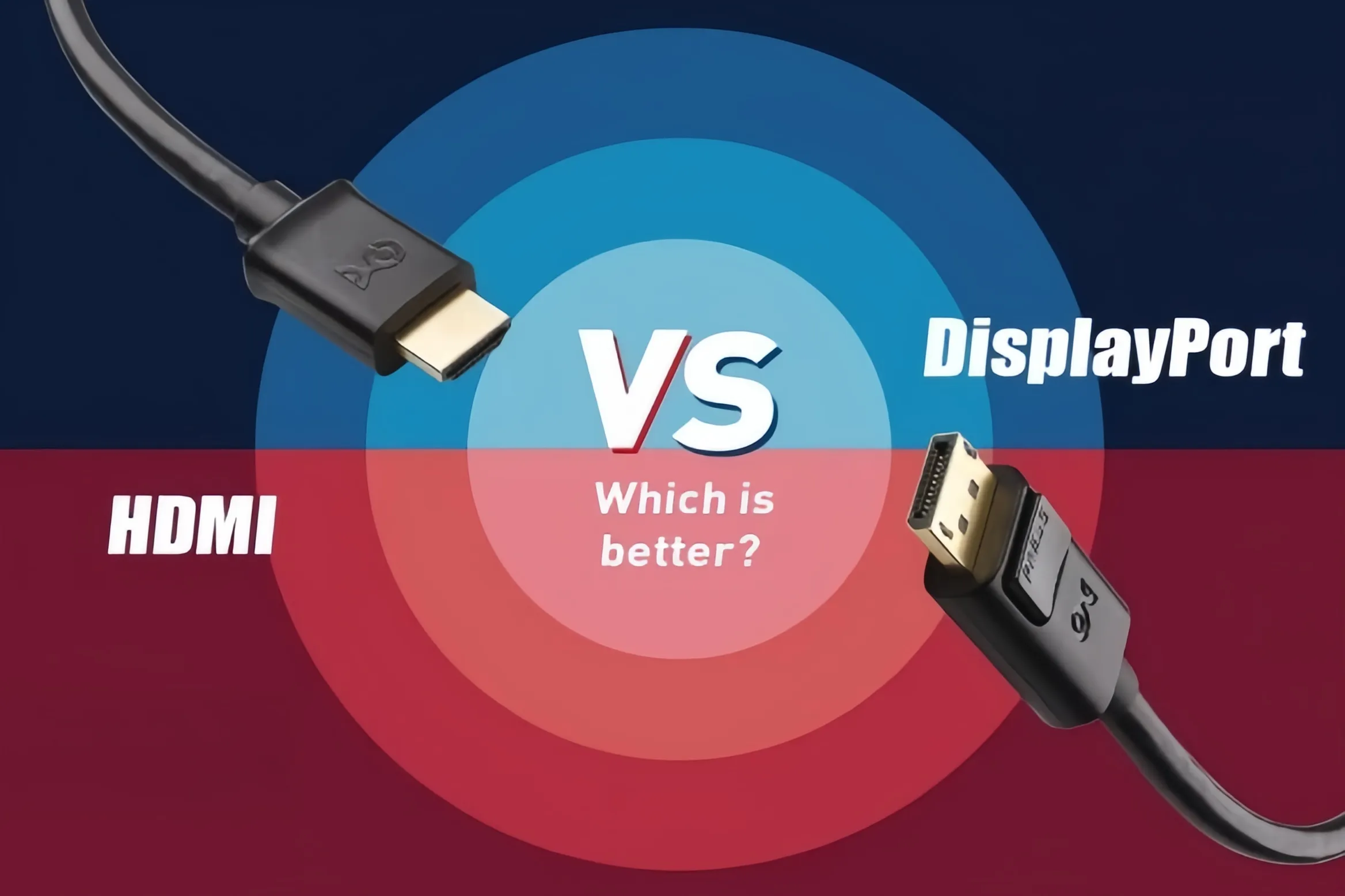
디스플레이포트 대 HDMI: 어느 쪽이 더 좋을까? 궁극의 디스플레이 인터페이스 가이드
When building a PC, upgrading a monitor, or setting up a home theater system, DisplayPort (DP) and HDMI are the two most common audio/video interfaces you will encounter. While both cables transmit video and sound, they differ significantly in underlying technology, bandwidth capacity, and optimal use cases. Should you choose DisplayPort or HDMI? This guide breaks down their core specifications, key advantages, and best scenarios.
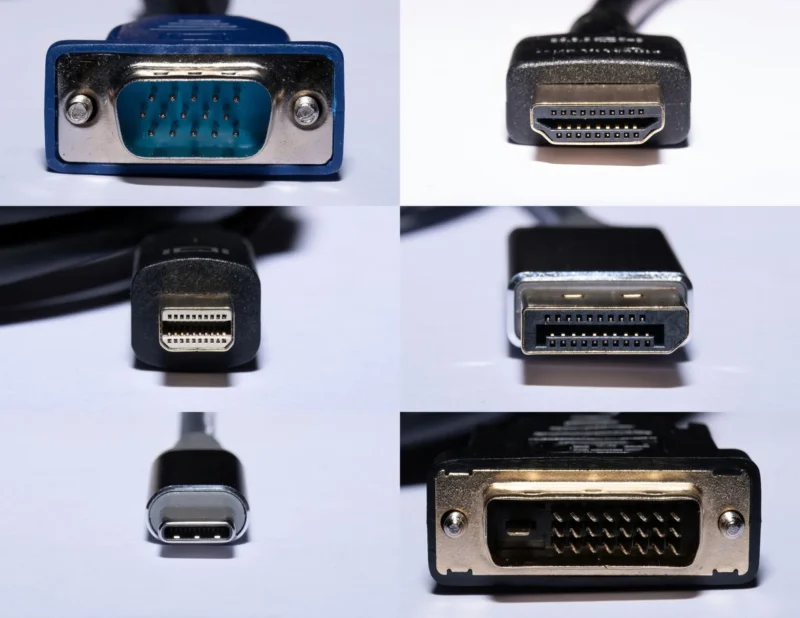
1. Core Positioning: PC Ecosystem vs. Consumer Electronics
- HDMI (High-Definition Multimedia Interface): Developed by a consortium of TV and consumer electronics giants, HDMI was designed to connect TVs, set-top boxes, gaming consoles (such as PS5 and Xbox Series X), and sound systems. It emphasizes broad device compatibility and advanced audio transmission, offering features like eARC (Enhanced Audio Return Channel), making it the standard interface for living room entertainment.
- DisplayPort (DP): Developed by VESA (Video Electronics Standards Association), DP was specifically engineered for PC hardware and professional monitors. Built for high data throughput from day one, DisplayPort natively supports MST (Multi-Stream Transport), allowing users to daisy-chain multiple monitors together using a single port on their graphics card.
2. Key Specifications Comparison (Mainstream Versions)
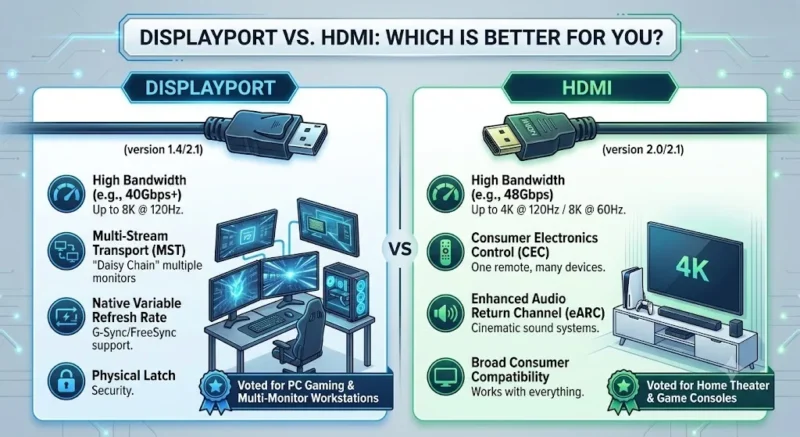
An interface’s performance ceiling depends on its protocol version. Here is how the mainstream high-end standards—HDMI 2.1 and DisplayPort 2.1—compare head-to-head:
| Feature / Spec | HDMI 2.1 | DisplayPort 2.1 |
| Max Total Bandwidth | 48 Gbps | Up to 80 Gbps (UHBR20) |
| Max Uncompressed Output | 4K @ 120Hz / 8K @ 60Hz | 4K @ 240Hz / 8K @ 120Hz |
| Variable Refresh Rate (VRR) | HDMI VRR, AMD FreeSync | Native compatibility with NVIDIA G-Sync & AMD FreeSync |
| Daisy-Chaining (MST) | Not supported (requires splitters) | Supported (single cable for multiple monitors) |
| Physical Latch | Friction fit (no latch) | Physical locking mechanism on most cables |
3. Scenario Matching: Which Should You Choose?
1. Esports & High-Refresh PC Gamers: Choose DisplayPort
If you are running an NVIDIA or AMD high-performance graphics card paired with a 144Hz, 240Hz, or higher refresh rate gaming monitor, DisplayPort is your best choice. DP provides seamless native integration for G-Sync and FreeSync technology, along with sufficient bandwidth overhead for ultra-high resolutions and extreme frame rates.

2. Living Room TVs & Gaming Consoles: Choose HDMI
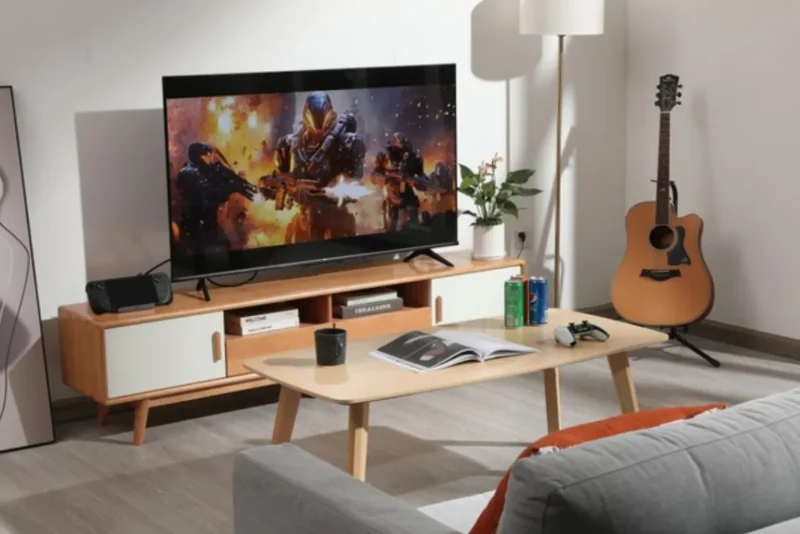
If you are hooking up a PS5, Xbox Series X, or Nintendo Switch, or connecting your PC to a 4K OLED TV, HDMI 2.1 is essential. Most TVs do not feature DisplayPort inputs, and HDMI offers consumer-centric features like HDMI-CEC (one remote control for multiple devices) and eARC passthrough for Dolby Atmos audio setups.
3. Multi-Monitor Productivity: Choose DisplayPort
For video editors, programmers, and financial analysts who rely on dual or triple monitor setups, monitors supporting DP Daisy Chaining allow a clean “GPU -> Monitor A -> Monitor B” topology, drastically reducing desktop cable clutter.
Summary
Your choice ultimately depends on your target display: Use HDMI 2.1 for TVs and gaming consoles; use DisplayPort 1.4 or 2.1 for PC graphics cards and high-refresh-rate gaming monitors.
관련 제품
-

Cat5e 스네그리스 비차폐(U/UTP) PVC CM 이더넷 패치 케이블, 블루, (10개입/팩)
₩49,140 -
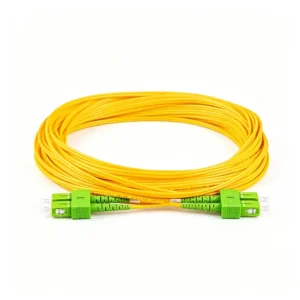
OS2 Duplex APC Fiber Patch Cord, LC-to-LC / LC-to-SC / SC-to-SC, 2.0 mm LSZH for PON/FTTH
가격 범위: ₩3.09~₩7.42 여러 상품 옵션이 이 상품에 있습니다. 상품 페이지에서 옵션을 선택할 수 있습니다 -
디스플레이포트 2.0 케이블, DP8K 디스플레이포트 케이블 w/HBR3, HDR10, MST, DSC 1.2, HDCP 2.2, 8K 60Hz, 4K 120Hz – DP 1.4 케이블 M/M
가격 범위: ₩57.99~₩76.99 여러 상품 옵션이 이 상품에 있습니다. 상품 페이지에서 옵션을 선택할 수 있습니다 -
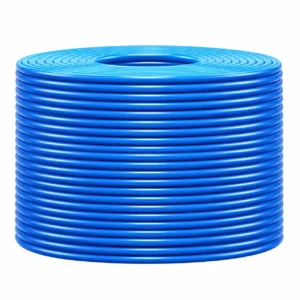
Blue Cat6 Bulk Ethernet Cable – UTP, 305m Box
₩71,062 -
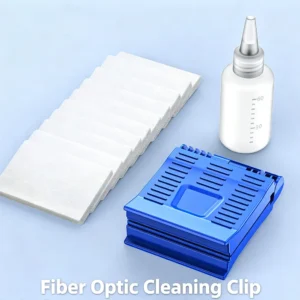
교체형 무진 패드가 있는 광섬유 클리닝 클립 광네트워크 유지보수용 멀티코어 광섬유 와이핑 툴
가격 범위: ₩3.09~₩8.82 여러 상품 옵션이 이 상품에 있습니다. 상품 페이지에서 옵션을 선택할 수 있습니다 -
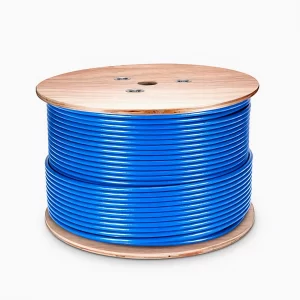
Cat6a 이더넷 벌크 케이블, 305m, 23AWG 단선 순수 구리선, 750MHz, 차폐(S/FTP), PVC CMR, 릴 포함(파란색)
₩861,315 -
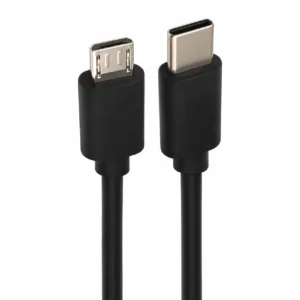
USB-C to Micro-B Cable – USB 2.0, 0.5m or 1m
가격 범위: ₩1.76~₩2.06 여러 상품 옵션이 이 상품에 있습니다. 상품 페이지에서 옵션을 선택할 수 있습니다 -
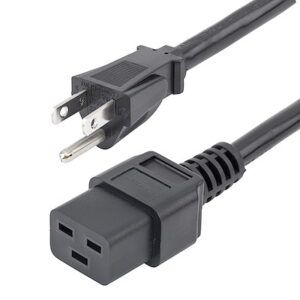
강력한 전원 코드, NEMA 5-15P부터 C19까지 AC 전원 코드, 15A 125V, 14AWG, 컴퓨터 전원 코드, PDU 및 네트워크 장비를 위한 헤비 게이지 전원 케이블, NEMA 5-15P부터 IEC 60320 C19 전원 코드
가격 범위: ₩8.99~₩13.99 여러 상품 옵션이 이 상품에 있습니다. 상품 페이지에서 옵션을 선택할 수 있습니다