 Network Tools & Testers
 Cat5eイーサネットケーブル
 CAT6イーサネットケーブル
 Cat6aイーサネットケーブル
 Cat8ケーブル
 バルクイーサネットケーブル
 コネクター&ジャック
 ケーブル管理
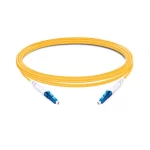 OS2 シングルモード単信
 OS2 シングルモード二重
 OM3マルチモードファイバー
 OM4マルチモード
 OM2マルチモード
 OM5マルチモード
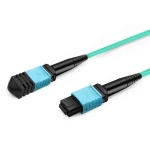 MTP/MPOケーブル
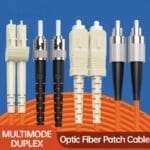 パッチケーブル カスタム
 Fiber Optic Components
 クリーナー&ツール
 DisplayPortケーブル
 ミニDisplayPortケーブル
 HDMIケーブル
 HDMIミニ/マイクロケーブル
 DVIケーブル
 VGAケーブル
 オーディオケーブル
 Thunderboltケーブル
 USB-Cケーブル
 USB 3.0ケーブル
 電源ケーブル
 SATAケーブル
 シリアルケーブル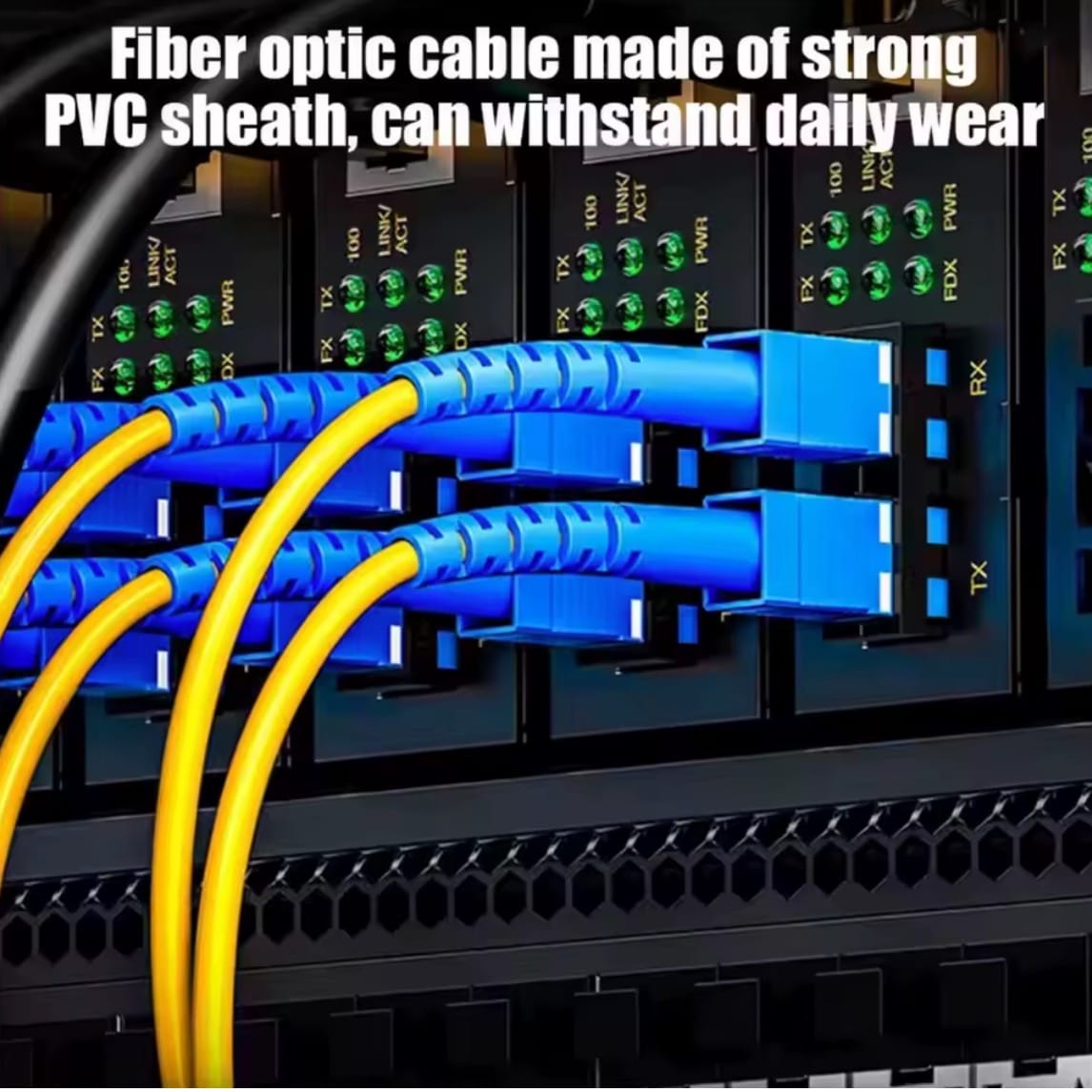
In network cabling, data center construction and weak current engineering, optical fiber serves as the core transmission medium. Many technicians struggle to distinguish single-mode and multi-mode fiber, leading to signal loss, unstable connection and unnecessary cost waste. This article elaborates their principles, differences, merits and applicable scenarios for correct selection.
1. Basic Working Principle
Single-mode Fiber
Core diameter: 9μm. Only one beam of light travels straight along the fiber axis. It avoids refraction and scattering, featuring low signal attenuation and minimal dispersion for steady transmission.
Multi-mode Fiber
Core diameter: 50μm or 62.5μm. Multiple light beams propagate inside the core via diverse refraction paths. Different travel distances cause modal dispersion, distorting signals and limiting transmission range.
2. Key Parameter Comparison
| Comparison Item | Single-mode Fiber | Multi-mode Fiber |
|---|---|---|
| Core Size | 9μm thin core | 50/62.5μm thick core |
| Transmission Mode | Single straight light path | Multiple refracting light paths |
| Transmission Distance | Kilometer to hundred-kilometer level | Hundred-meter short range |
| Signal Loss | Extremely low | Relatively high |
| Bandwidth | Ultra-high, stable long-distance bandwidth | Limited bandwidth, declines with distance |
| Matching Devices | Single-mode optical module, laser diode | Multi-mode optical module, LED light source |
| Cost | Low fiber price, expensive modules | Slightly costly fiber, affordable modules |
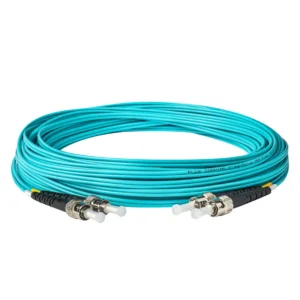
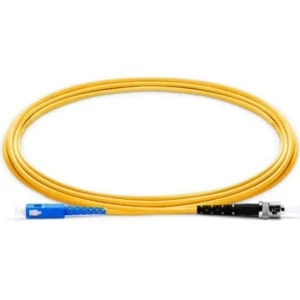
| Outer Jacket Color | Yellow | Orange / Aqua blue |
3. Advantages & Disadvantages
Single-mode Fiber
Pros: Long transmission distance, strong anti-interference, stable signal, huge bandwidth capacity, compatible with 10G/40G/100G high-speed transmission and easy network expansion.
Cons: Strict construction precision required; supporting optical modules cost more.
Multi-mode Fiber
Pros: Easy splicing and wiring with high fault tolerance; low cost for short-distance networking.
Cons: Restricted transmission distance; poor performance in long-distance high-speed data delivery.
4. Typical Application Scenarios
Single-mode Fiber Application
- Carrier backbone network, fiber-to-home broadband access
- Cross-building, cross-zone long-distance wiring and monitoring transmission
- Data center core backbone and long-distance high-speed link
- Remote industrial data and video communication
Multi-mode Fiber Application
- Internal wiring inside data centers and server room interconnection
- Short-range cabling within single buildings and office LAN
- Near-end high-definition video aggregation and local network upgrading
5. Common Selection Mistakes
- Mixed use is forbidden: Mismatched fiber and modules cause severe packet loss and link failure. Keep mode consistent throughout the whole network.
- Multi-mode is not superior in high speed: It only maintains 10G speed within 100 meters, while single-mode supports steady high-speed transmission for kilometers.
- Avoid improper cost saving: Using multi-mode for long distance triggers frequent faults and higher rework cost.
6. Summary
Choose single-mode fiber for long-distance backbone and remote high-speed communication. Pick multi-mode fiber for short-range indoor wiring to cut costs. For distance over 300 meters, single-mode fiber is the reliable priority.