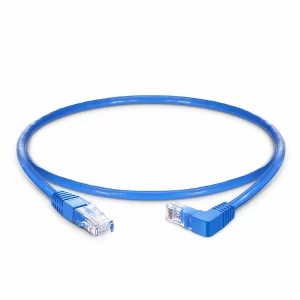
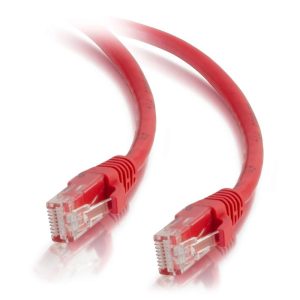
 Cat5e-Kabel
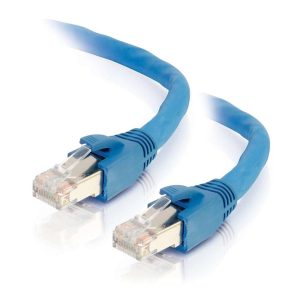 Cat6-Kabel
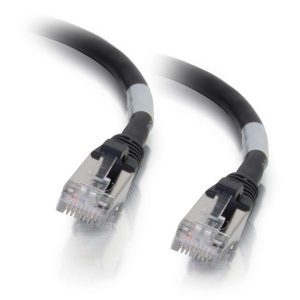 Cat6a-Kabel
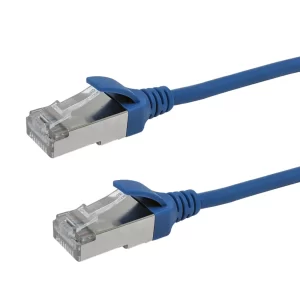 Cat8-Kabel
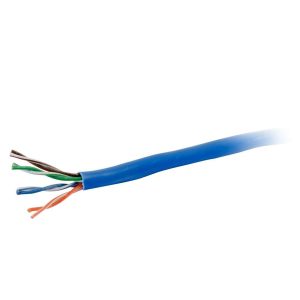 Ethernet-Kabel in großen Mengen
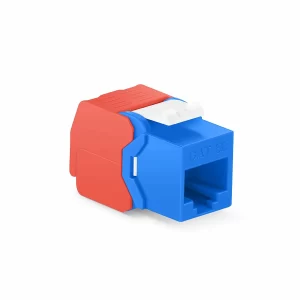
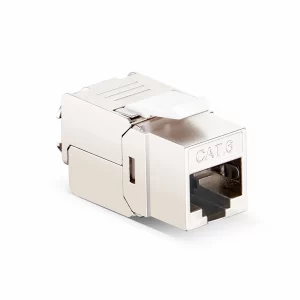
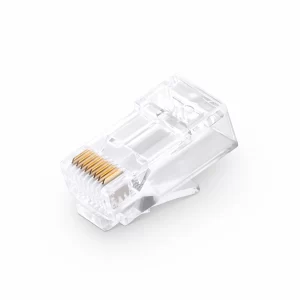 Steckverbinder & Buchsen
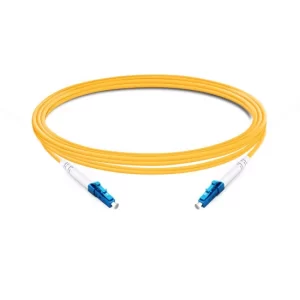 OS2 Singlemode Simplex
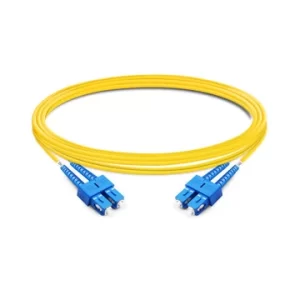 OS2 Singlemode Duplex
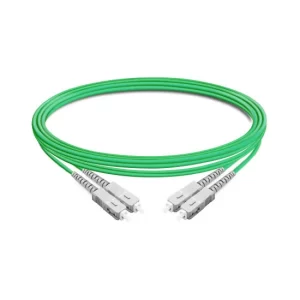 OM5 Multimode
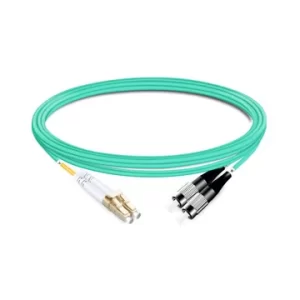 OM4 Multimode
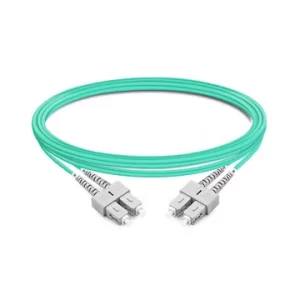 OM3 Multimode
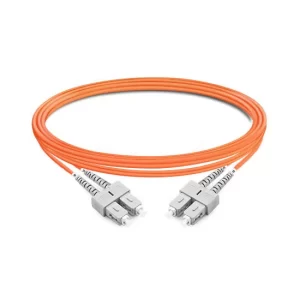 OM2 Multimode
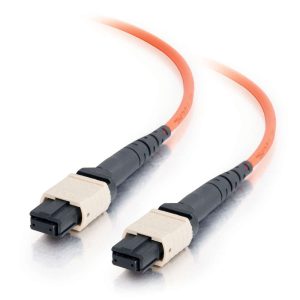 MTP/MPO-Kabel
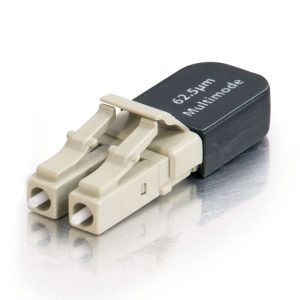 Glasfaser-Konnektivität
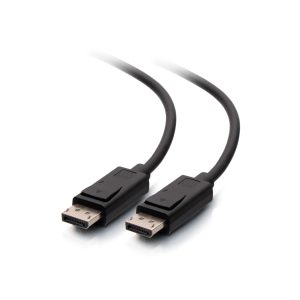 DisplayPort-Kabel
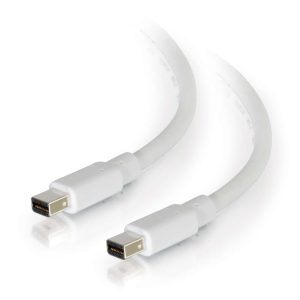 Mini DisplayPort-Kabel
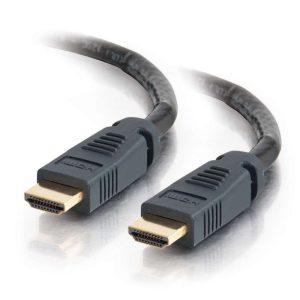 HDMI-Kabel
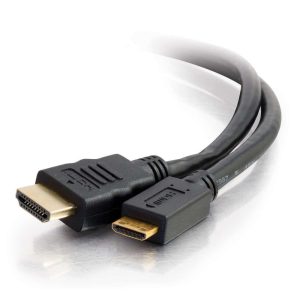 HDMI Mini/Micro-Kabel
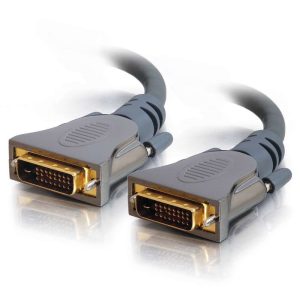 DVI-Kabel
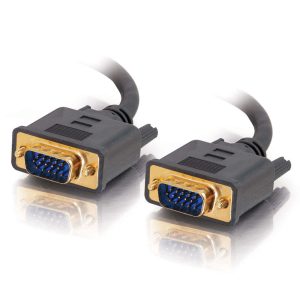 VGA-Kabel
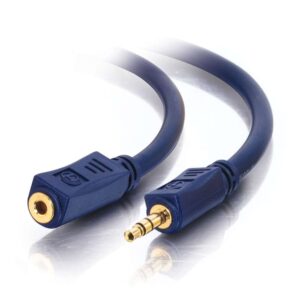 Audiokabel
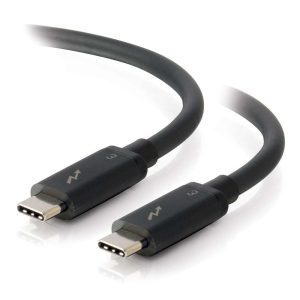 Thunderbolt-Kabel
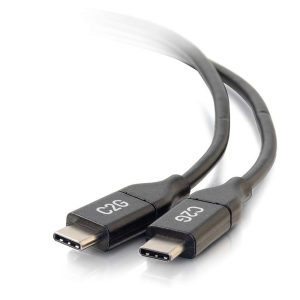 USB-C Kabel
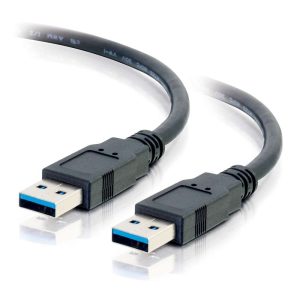 USB 3.0-Kabel
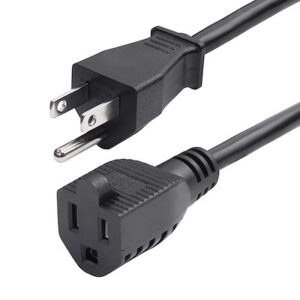 Stromkabel
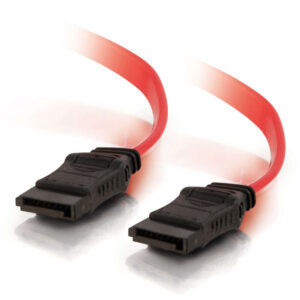 SATA-Kabel
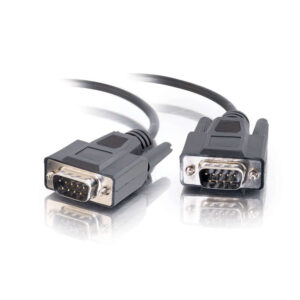 Serielle Kabel
If it is essential to adopt a different type of connector, hybrid patch cords with dissimilar connectors at both ends must be applied. Although such jumpers feature strong universality, their cost is higher than that of standard patch cords with identical connectors at both ends, which may raise the overall project expenditure.
Influence of Cable Types on Termination Procedures
Different categories of optical fibers correspond to significantly different preparation procedures before termination, so the following classifications should be distinguished emphatically:
- Transmission mode: single-mode fiber or multimode fiber
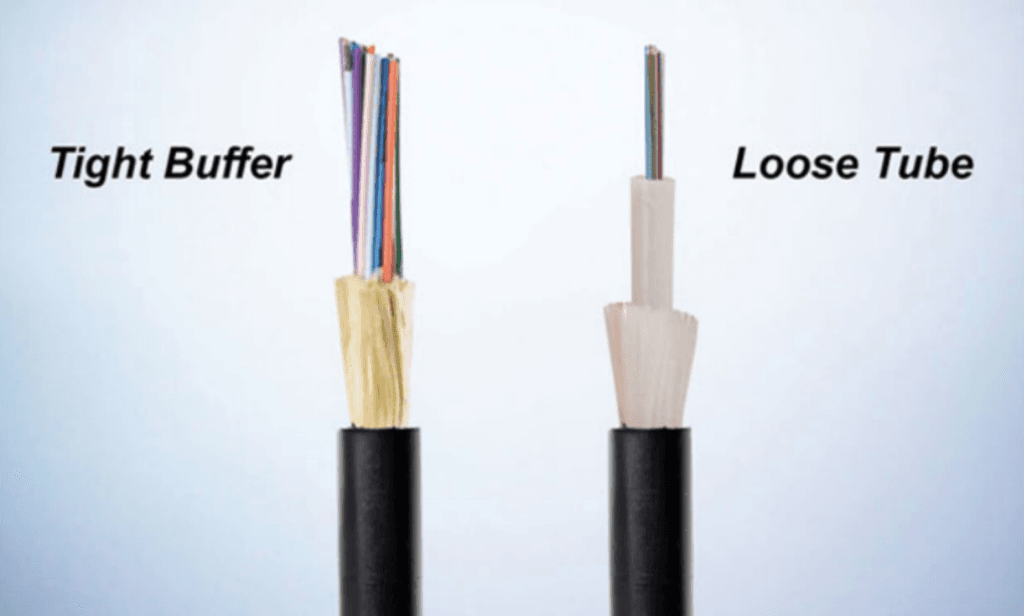
- Structural form: ribbon fiber, loose tube fiber, tight buffer fiber
- Application environment: indoor fiber or outdoor fiber
For instance, when dealing with ribbon fibers, attention should be paid to the core count of each ribbon and whether the fiber ribbon is flat or rollable. Outdoor fibers require additional protection design, and their construction techniques are different from those of indoor fibers.
Take outdoor loose tube fibers as a practical example: the diameter of bare fiber is normally 250 microns, while standard connectors need a 900-micron buffer layer for stable installation. Under this circumstance, a fanout kit must be installed to convert 250-micron bare fiber into 900-micron buffered fiber, so that connectors can be assembled normally.
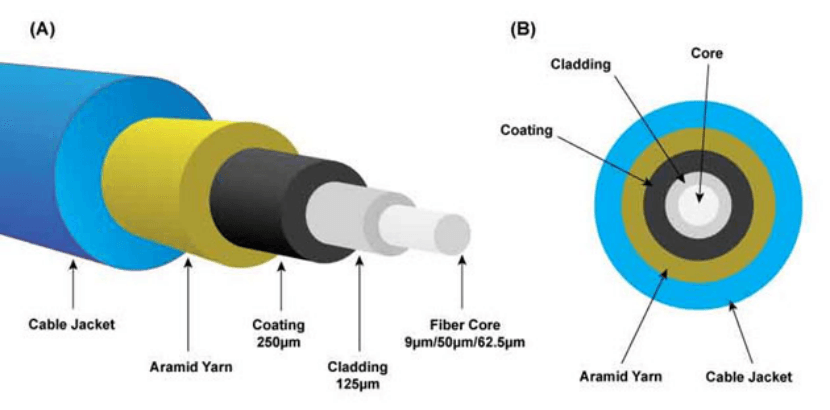
Before termination construction, it is necessary to sort out the status of existing cables, clarify the models of fibers in service and the types of installed connectors. Giving priority to the original connector specifications helps maintain the consistency of the entire system and reduce adaptation difficulties.
Cable and Connector Matching Analysis
If it is essential to adopt a different type of connector, hybrid patch cords with dissimilar connectors at both ends must be applied. Although such jumpers feature strong universality, their cost is higher than that of standard patch cords with identical connectors at both ends, which may raise the overall project expenditure.
Influence of Cable Types on Termination Procedures
Different categories of optical fibers correspond to significantly different preparation procedures before termination, so the following classifications should be distinguished emphatically:
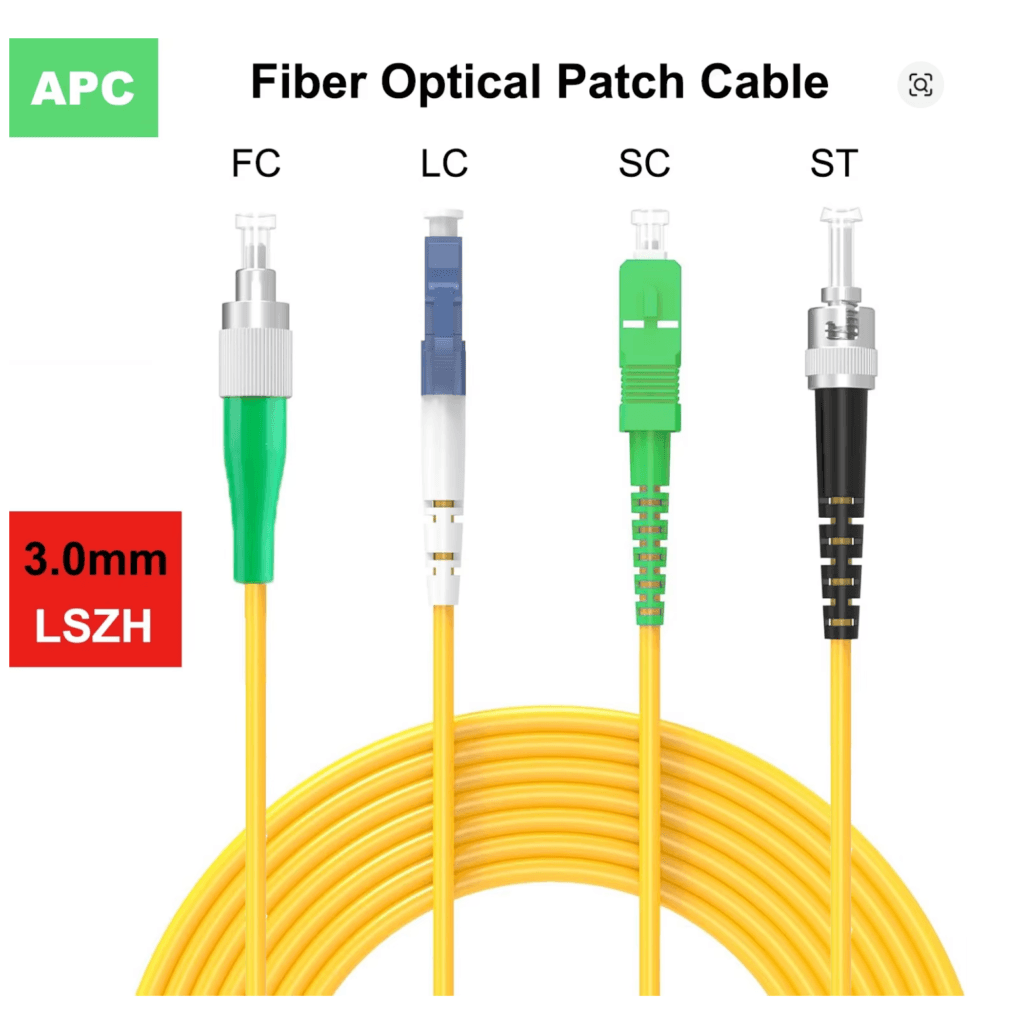
A practical use case demonstrates the application of the previously discussed solutions: when terminating loose-tube outdoor cables with 250-micron bare fiber, it is essential to note that standard connectors require a 900-micron buffer layer for proper termination. This necessitates the installation of a fanout kit on the bare fiber, transitioning it to 900-micron buffered fiber compatible with connector assembly.
After considering all the nuances and needs regarding the current fiber situation, we can proceed to the termination of the fiber connectors. Before reviewing termination methods, it is essential to note the various types of connectors available. LC, SC, and ST connectors are among the most utilized connectors available in the industry today. Termination methods include pre-connectorized options, epoxy bonding, anaerobic techniques, and mechanical solutions. As previously mentioned, the method selected may rely on work requirements, the installer’s proficiency, or the opinion of the installer.
Let’s review the termination methods:
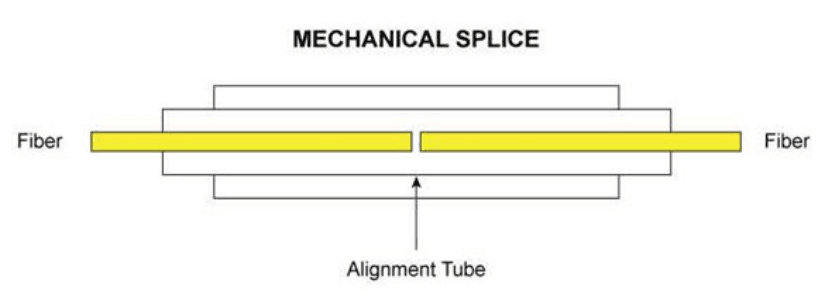
Mechanical Method: Each supplier may offer their take on mechanical connectors; each accompanied by specific instructions. The process involves precise measurement of buffered fiber length. A specialized tool secures the mechanical connector by latching the fiber into place. Mechanical splicing does not fuse the two fibers.
- Quick Termination – Less than 1 minute per termination
Less experience required – Any technician with little training can quickly learn.
- Connector cost is high
Special assembly tools are needed
Lower tensile strength
Higher insertion loss and back reflection
- Quick Termination – Less than 1 minute per termination
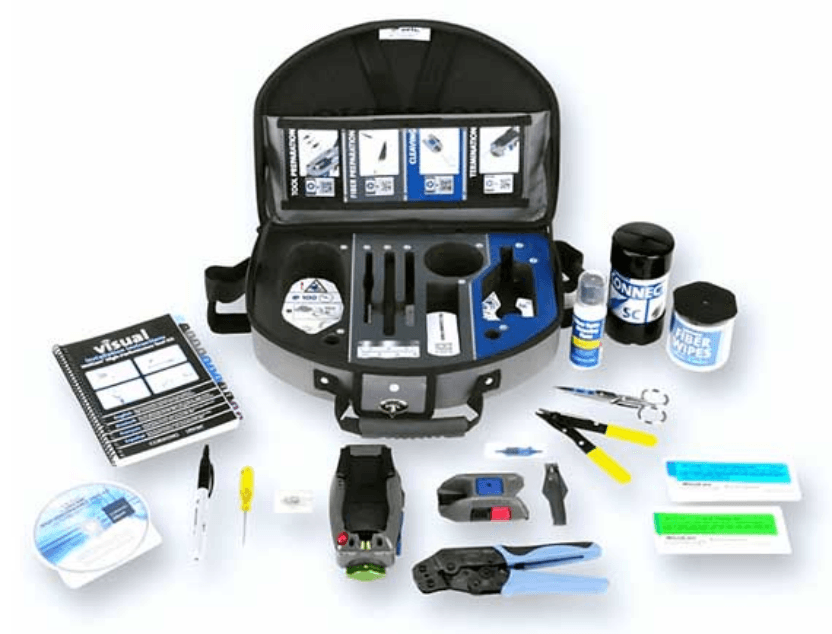
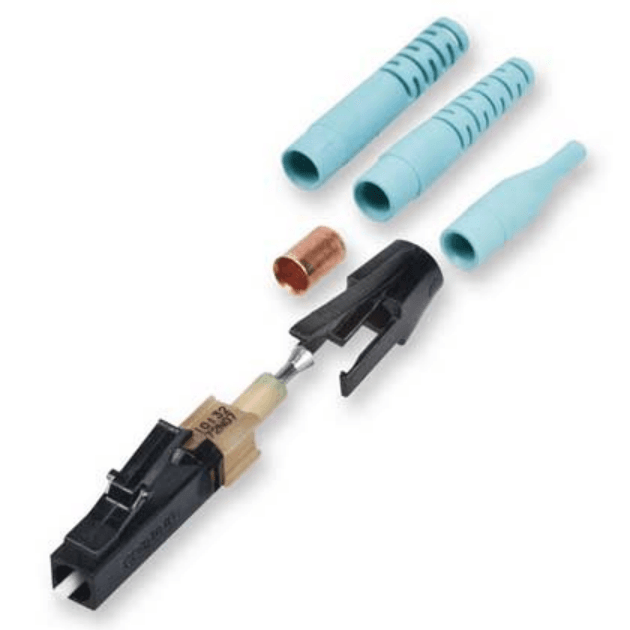
Epoxy Method: This method is frequently utilized in factories to produce pre-connectorized fibers or cables. The fiber’s buffer and coating are stripped. Epoxy is introduced into the connector and heated. Once the optimal temperature and duration are attained, the connector is cooled. Excess fiber is then removed, and the connector is polished.
- Lowest per connector cost
Highest quality and reliability
- A whole set of tools required
Assembly time is longer (2 minutes)
Technicians need to have good training and more experience
- Lowest per connector cost
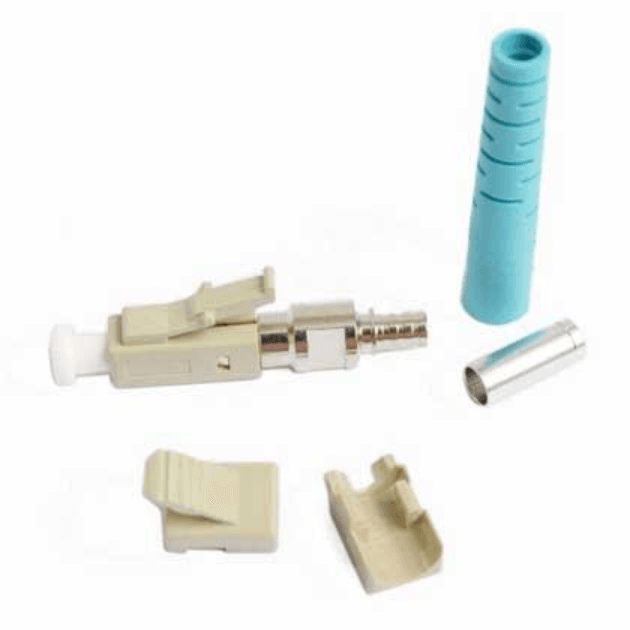
Anaerobic Method: Similar to the epoxy method, the fiber is prepped. This method requires a two-part adhesive and primer to complete the process. The primer is brushed on to the prepped fiber, and then the adhesive is placed into a syringe via a needle inserted into the connector. Proper curing time is required, excess fiber is cleared, and the connector is polished and ready to go.
- Rapid cure time
- Anaerobic agents are relatively aggressive and cause certain materials to degrade, especially plastic material. They should only be used with optic connectors that have a ceramic (zirconia) ferrule and a metal ferrule holder.
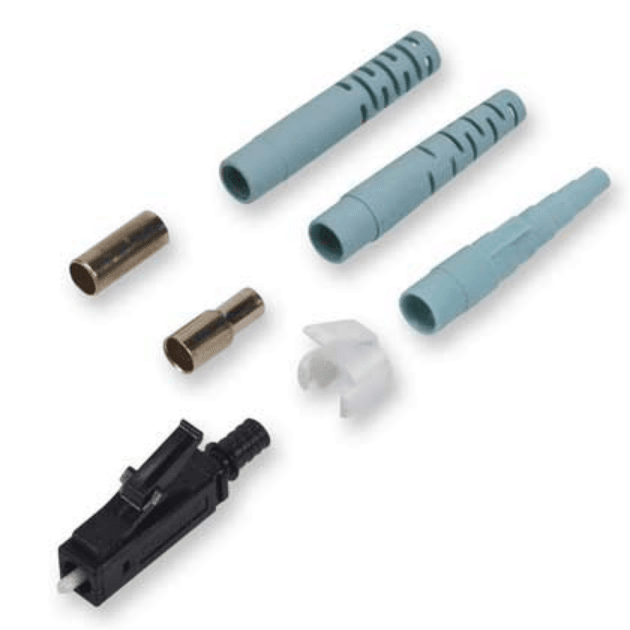
While fusion splice connectors represent another high-performance solution for fiber termination and line extension, a comprehensive analysis of this technique will be presented in subsequent discussions.
In summary, successful fiber connector termination hinges on three critical factors: project-specific installation requirements, accurate cable type identification, and appropriate connector selection. Each termination method offers unique technical and economic advantages. By balancing precision workmanship with practical performance needs, a seamless, efficient, and reliable fiber termination process can be achieved.