 كابلات شبكة إيثرنت Cat5e
 كابلات إيثرنت Cat6
 كابلات إيثرنت Cat6a
 كابلات Cat8
 كابلات إيثرنت بالجملة
 موصلات ومقابس
 إدارة الكابلات
 أدوات ومختبرات الشبكة
 OS2 أحادي الوضع بسيط
 أو إس 2 أحادي الوضع مزدوج
 أوم 3 ألياف متعددة الأوضاع
 OM4 متعدد الأوضاع
 OM2 متعدد الأوضاع
 OM5 متعدد الأوضاع
 كابلات MTP/MPO
 كابلات توصيل مخصصة
 مكونات الألياف الضوئية
 المواد والأدوات التنظيفية
 كابلات DisplayPort
 كابلات Mini DisplayPort
 كابلات HDMI
 كابلات HDMI مصغرة/ميكرو
 كابلات DVI
 كابلات VGA
 كابلات الصوت
 كابلات ثندربولت
 كابلات USB-C
 كابلات USB 3.0
 كابلات الطاقة
 كابلات SATA
 كابلات متسلسلة
لا توجد منتجات في سلة المشتريات.
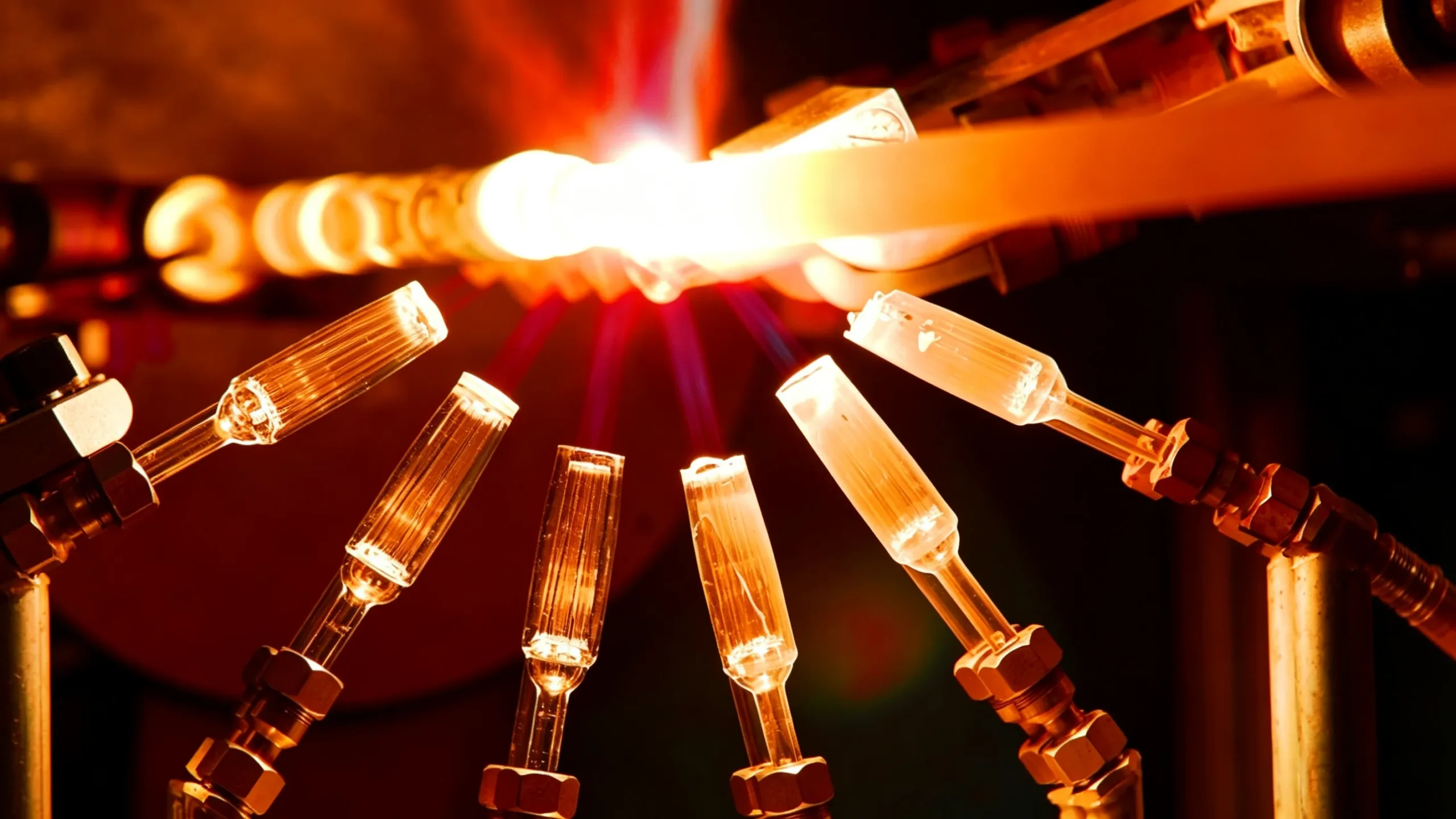
The entire process of fiber optic production | Processing from quartz master rod to finished jumper wire
Preface
Fiber optic is the cornerstone of AI computing power, data centers, and communication networks. Many people only see a thin cable, but rarely know that optical fibers are not simply extruded ordinary wires. They belong to ultra-high precision optical devices with extremely low production fault tolerance. Millimeter level errors can cause link signal attenuation, packet loss, and even communication interruption. From high-purity quartz raw materials to finished jumpers that can be delivered for project use, multiple rigorous processes are required, with extremely high demands on workshop environment, equipment accuracy, and process control.
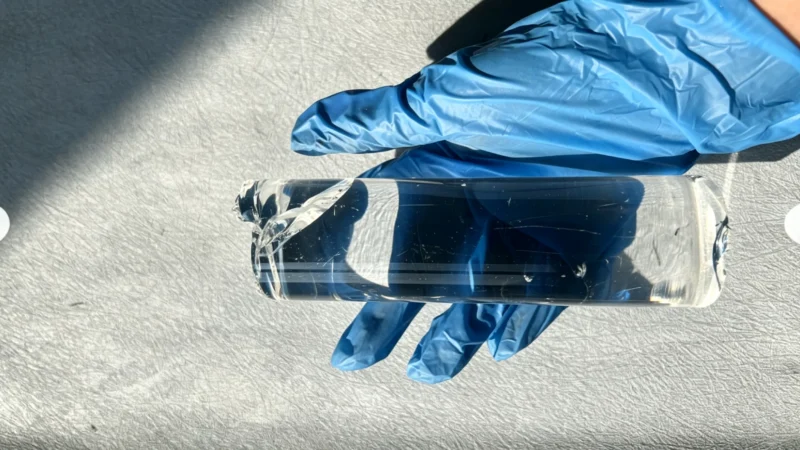
Making fiber optic master bars
The core material of the optical fiber is silica quartz glass, with a purity of 99.999999%. Trace impurities, water vapor, and bubbles in ordinary glass can interfere with optical signal transmission and cause sustained loss.
The raw materials are repeatedly purified, dehydrated and degassed, and then sintered layer by layer through vapor deposition technology to produce fiber preform rods, which are the mother rods of optical fibers. Prefabricated rods are divided into core and cladding, and the refractive index error of both cannot exceed 0.001.
The production of a single prefabricated rod takes 1-4 hours. Although a single mother rod can pull out thousands of kilometers of optical fiber, if there are any internal defects, the entire prefabricated rod will be directly scrapped.
Fiber preform, the parent material for all communication fibers
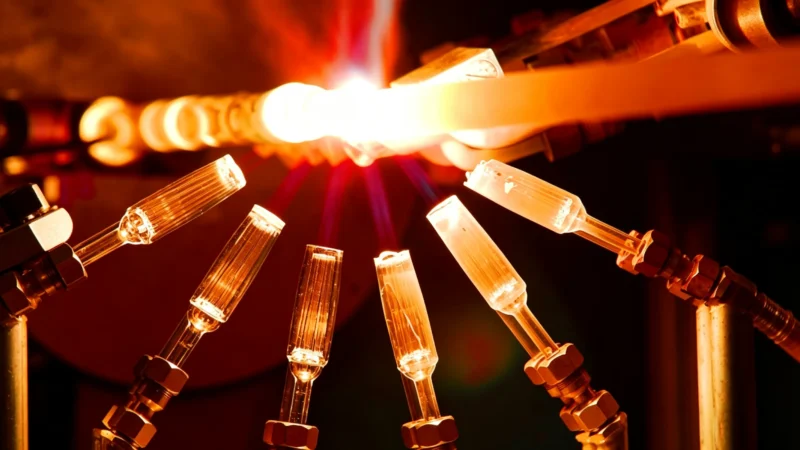
High temperature wire drawing forming
Qualified prefabricated rods are sent into the drawing tower, and the temperature inside the furnace exceeds 2000 ℃. The bottom of the mother rod melts and falls, and is drawn into a bare glass fiber with a diameter of 125 μ m, which is close to the thickness of a human hair.
The entire production process relies on real-time laser monitoring of the outer diameter, and the size error must be controlled within ± 1 μ m. If the diameter fluctuates slightly, the subsequent fiber optic docking will be misaligned, and the insertion loss will directly exceed the standard. Drawing requires equipment to operate stably for 24 hours, and equipment shaking and temperature fluctuations can produce large quantities of unqualified bare fibers.
2000℃ high-temperature drawing tower, drawing preform into micron-level bare optical fiber
Protect optical fibers
The bare glass fiber optic cable that has just been pulled out is very fragile, and it will crack and be scrapped when touched by dust, making it impossible to put it directly into use.
After leaving the drawing tower, the optical fiber is immediately coated with a double-layer resin: the inner layer buffers stress, the outer layer resists friction and compression, and then cured with ultraviolet light to form a protective shell.
The coating thickness and curing time need to be accurately controlled. If there are bubbles and uneven thickness in the coating, it is easy to cause micro bending losses in the later wiring bending, which lays the hidden danger of faults. After solidification, the fiber optic cable is coiled and subjected to a complete set of OTDR attenuation, tensile strength, and temperature cycling aging tests. Only qualified bare fibers are supplied to downstream factories.
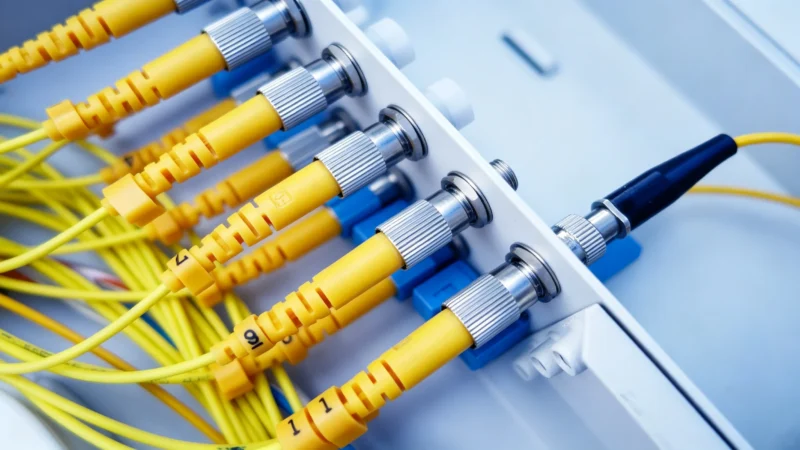
Yellow SC fiber patch cords connected to the optical distribution frame, widely used in data center cabling systems.
Processing finished jumper wires
SC, LC, and MPO fiber jumpers on the market are all made from qualified bare fiber through secondary processing, which is also the most time-consuming process and quality control.
Cut cables according to requirements, assemble tail sleeves, springs and other accessories; After stripping the coating, clean the fiber core repeatedly with alcohol. The micron dust in the air falls on the end face, and the network packet loss will occur on the machine.
The optical fiber is precisely inserted into the ceramic plug, filled with glue and baked at a constant temperature for curing, and then undergoes four processes: rough grinding, medium grinding, fine grinding, and mirror polishing. Jumpers used at high speeds such as OM5 and 800G require extremely high flatness of the end face, and even a scratch can cause high-speed transmission errors.
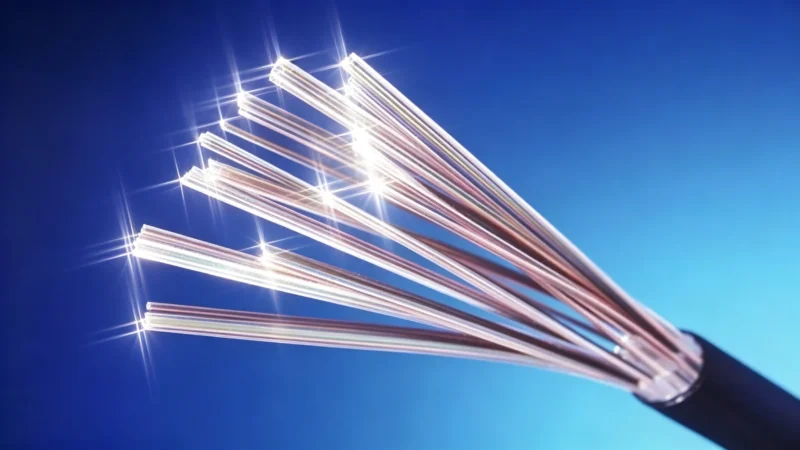
Close-up of bare optical fiber. It is the basic material before coating and patch cord assembly.
Complete inspection of finished products
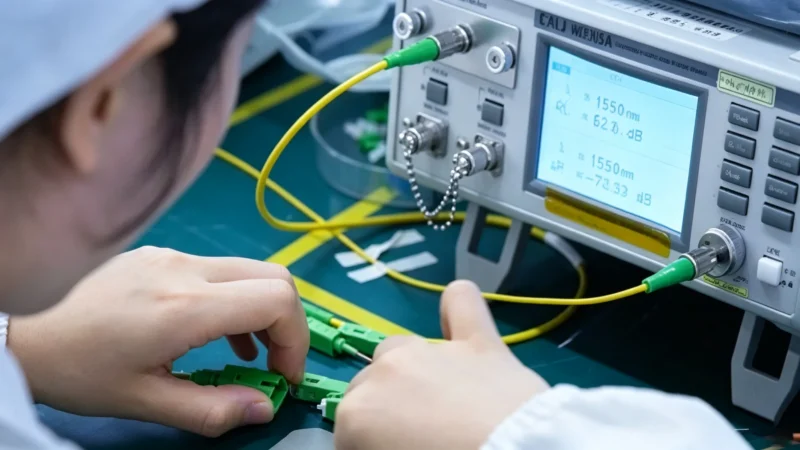
Unlike some industrial product sampling inspections, fiber optic jumpers must be tested for every single one.
The testing items include end face appearance, insertion loss, return loss, tensile strength, and bending tests. Even if the appearance is intact, as long as the optical parameters do not meet the standards, it will be directly scrapped. Many low-priced products omit some testing, which will consume a lot of engineers’ troubleshooting time after entering the computer room.
After passing the inspection, the product is labeled, covered with a dust cap, and individually packaged before it is considered complete.
Technician tests insertion loss and return loss of fiber patch cords by professional optical tester.
Production cycle reference
-Ordinary SC/LC jumper: 1-3 working days
MPO、 Armored, low smoke and halogen-free customized version: 3-7 days
OM5、 Ultra low loss special jumper: 7-10 days
Will optical fibers naturally age and suffer losses?
The quartz glass properties of the fiber optic body are stable, and under standard usage conditions, it can operate stably for 20-30 years without automatically increasing losses over time.
In actual use, the loss increases, mostly due to external reasons:
-Excessive bending and compression of wiring result in slight bending losses
-The joint is contaminated with dust, fingerprints, and oil stains (the most common fault in the computer room)
-Protective coating cracks and damages in high temperature and humid environment
-Improper construction docking and loose joints
-Poor production process, insufficient grinding and adhesive quality
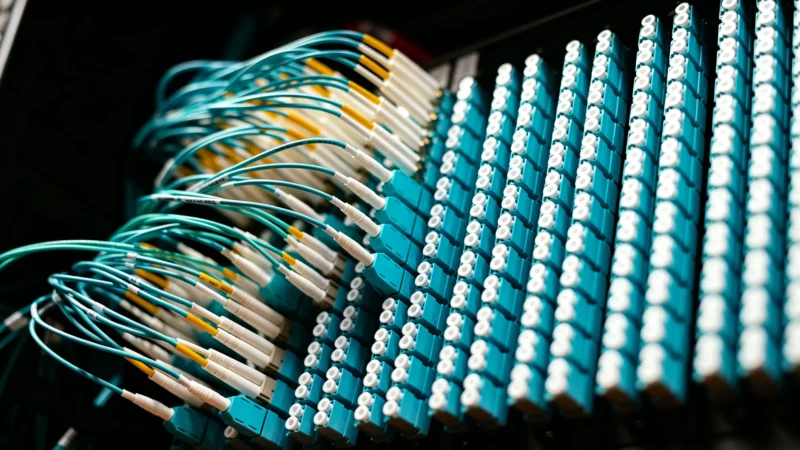
Massive MPO fiber patch cords arranged on patch panels, supporting high-speed links for AI data centers.
FAQ
Why must every fiber patch cord be fully tested one by one?
Tiny scratches or dust on the fiber end face will cause signal loss and packet drop. Sampling inspection cannot guarantee stable transmission. Each finished cord needs insertion loss and return loss testing before delivery.
What affects the quality of fiber patch cords most?
The grinding process of fiber end face is the key. Poor grinding will leave tiny flaws. In addition, raw bare fiber quality, adhesive and assembly craft also determine the final performance.
What is the normal lead time for custom fiber patch cords?
Standard SC/LC fiber patch cords take 1–3 working days. Customized types like armored or LSZH cables usually take 3–7 working days according to specifications.
منتجات ذات صلة
-

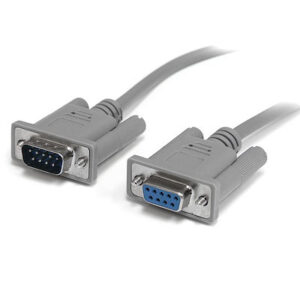
كابل سيريال RS232 نل مودم F/M بطول 3 متر
$4.99 -
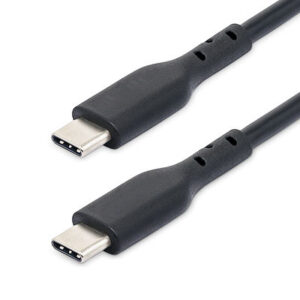
كابل شحن USB-C بطول 1 متر / 1.8 متر / 3 متر، للشحن والمزامنة، بقوة 60 واط (3 أمبير) بخاصية الشحن السريع PD، كابل شحن لأجهزة الكمبيوتر المحمولة USB 2.0، غلاف من اللدائن الحرارية المرنة (TPE) – سلك شحن USB C أسود
نطاق السعر: من $4.99 خلال $6.99 هناك العديد من الأشكال المختلفة لهذا المنتج. يمكن اختيار الخيارات على صفحة المنتج -
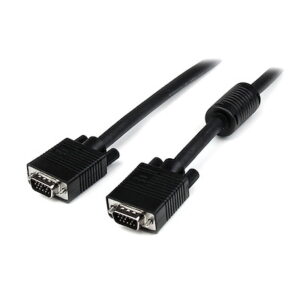
كابل شاشة عالي الدقة مزود بموصلات VGA - من نوع HD15 (ذكر/ذكر)
نطاق السعر: من $5.99 خلال $22.99 هناك العديد من الأشكال المختلفة لهذا المنتج. يمكن اختيار الخيارات على صفحة المنتج -
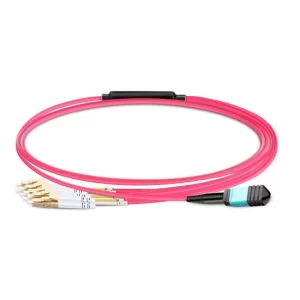
كابل تفرع ألياف ضوئية MPO UPC أنثى إلى 4 LC UPC دوبلكس OM4 50/125 متعدد الأنماط، 8 ألياف النوع B، LSZH، أزرق مائل للخضرة/بنفسجي
نطاق السعر: من $18.53 خلال $35.70 هناك العديد من الأشكال المختلفة لهذا المنتج. يمكن اختيار الخيارات على صفحة المنتج -
وحدة مقبس كيستون Cat6a RJ45 (8P8C) غير معزولة بدون أدوات، (10 قطع/حزمة)
$30.60 هناك العديد من الأشكال المختلفة لهذا المنتج. يمكن اختيار الخيارات على صفحة المنتج -
SC APC to ST APC OS2 Simplex Single-Mode Fiber Patch Cord, 2.0 mm LSZH
نطاق السعر: من $1.99 خلال $5.47 هناك العديد من الأشكال المختلفة لهذا المنتج. يمكن اختيار الخيارات على صفحة المنتج -
High-Speed HDMI 2.0 Male-to-Female Extension Cable, 4K 60Hz
نطاق السعر: من $6.99 خلال $9.99 هناك العديد من الأشكال المختلفة لهذا المنتج. يمكن اختيار الخيارات على صفحة المنتج -
كابل صوت AUX مقاس 3.5 مم، ذكر لذكر / ذكر لأنثى، سلك صوت مضفر من النايلون لسماعات الرأس ومكبرات الصوت
نطاق السعر: من $3.09 خلال $4.66 هناك العديد من الأشكال المختلفة لهذا المنتج. يمكن اختيار الخيارات على صفحة المنتج