 كابلات شبكة إيثرنت Cat5e
 كابلات إيثرنت Cat6
 كابلات إيثرنت Cat6a
 كابلات Cat8
 كابلات إيثرنت بالجملة
 موصلات ومقابس
 إدارة الكابلات
 أدوات ومختبرات الشبكة
 OS2 أحادي الوضع بسيط
 أو إس 2 أحادي الوضع مزدوج
 أوم 3 ألياف متعددة الأوضاع
 OM4 متعدد الأوضاع
 OM2 متعدد الأوضاع
 OM5 متعدد الأوضاع
 كابلات MTP/MPO
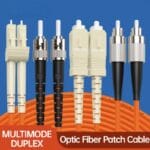 كابلات توصيل مخصصة
 مكونات الألياف الضوئية
 المواد والأدوات التنظيفية
 كابلات DisplayPort
 كابلات Mini DisplayPort
 كابلات HDMI
 كابلات HDMI مصغرة/ميكرو
 كابلات DVI
 كابلات VGA
 كابلات الصوت
 كابلات ثندربولت
 كابلات USB-C
 كابلات USB 3.0
 كابلات الطاقة
 كابلات SATA
 كابلات متسلسلة
لا توجد منتجات في سلة المشتريات.
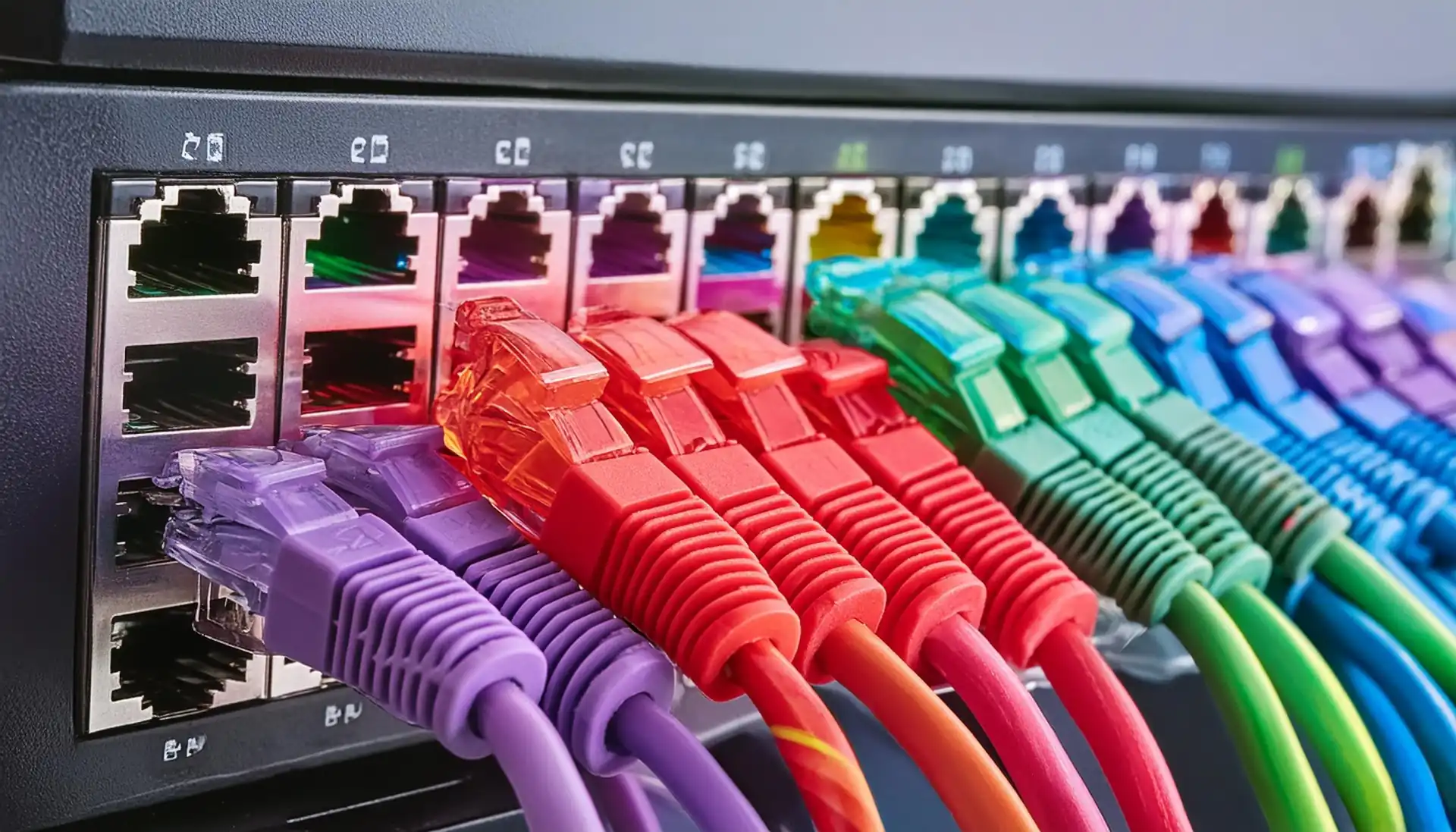
كيفية اختيار كابل الإيثرنت المناسب: الدليل الشامل
Even in an era dominated by Wi-Fi 6 and 7, nothing beats a wired Ethernet connection when it comes to raw speed, low latency, and rock-solid reliability. Whether you are online gaming, streaming 4K/8K media, or setting up a home office, a physical network cable remains the gold standard.
However, picking up the right cable isn’t as simple as grabbing the cheapest one off the shelf. With terms like Cat6, UTP, Cat8, and AWG floating around, making the right choice can get confusing quickly.
This guide breaks down everything you need to know to select the ideal Ethernet cable for your setup.
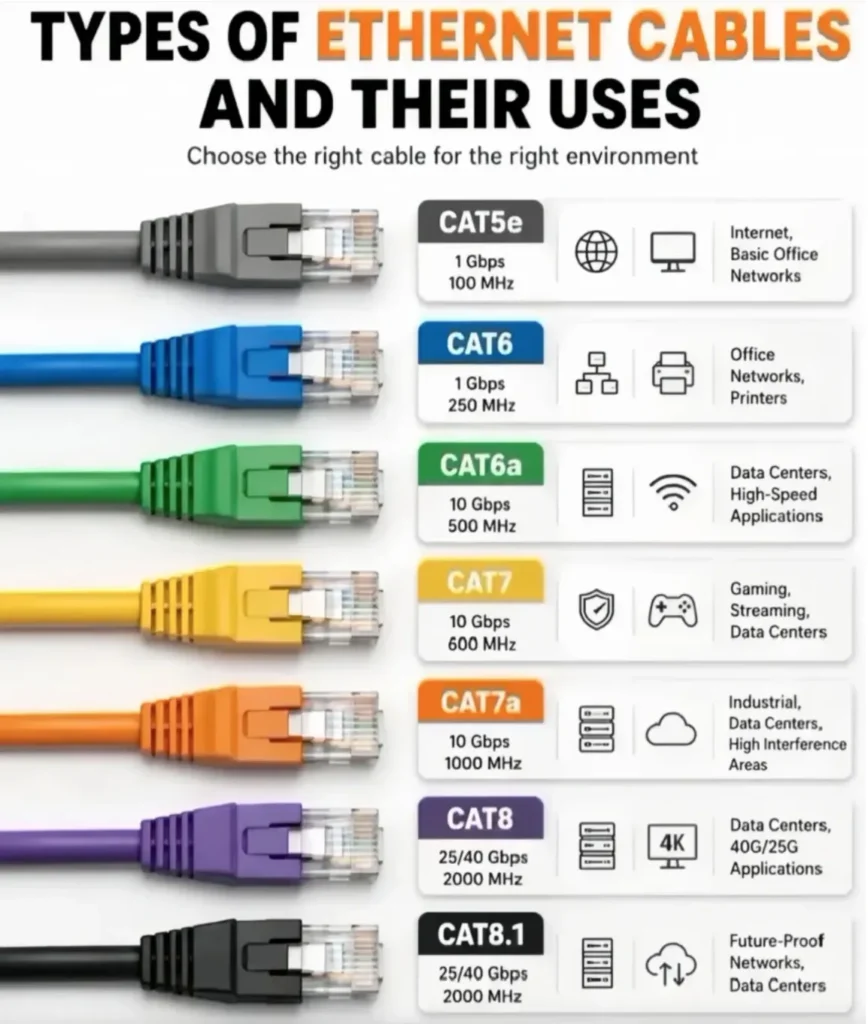
1. Understand the “Cat” Ratings (Categories)
Ethernet cables are categorized into generations called Categories (abbreviated as “Cat”). Higher numbers generally represent higher bandwidth capacity, faster maximum speeds, and better protection against signal noise.
| Category | Max Speed | Max Bandwidth | Max Distance at Full Speed | Best For… |
| Cat 5e | 1 Gbps | 100 MHz | 100m (328 ft) | Basic home internet under 1 Gbps (legacy) |
| Cat 6 | 10 Gbps | 250 MHz | 37–55m (121–180 ft) | Everyday home use, 1G–2.5G fiber connections |
| Cat 6a | 10 Gbps | 500 MHz | 100m (328 ft) | In-wall wiring, future-proofing, 10G NAS setups |
| Cat 7 | 10 Gbps | 600 MHz | 100m (328 ft) | Data centers, heavy industrial interference areas |
| Cat 8 | 40 Gbps | 2000 MHz | 30m (98 ft) | High-end server-to-switch data center links |
Which Category Should You Buy?
- Cat6 is the sweet spot for 95% of users. It easily handles Gigabit and multi-Gigabit home internet, costs very little, and is flexible to route around desks.
- Choose Cat6a if you are wiring walls. Because in-wall cables are difficult to replace later, Cat6a guarantees full 10 Gbps speeds over the full 100-meter distance.
- Skip Cat7 and Cat8 for standard home setups. Cat7 uses proprietary shielding standards that aren’t officially recognized by TIA/EIA, and Cat8 is overkill meant primarily for short server rack runs in data centers.
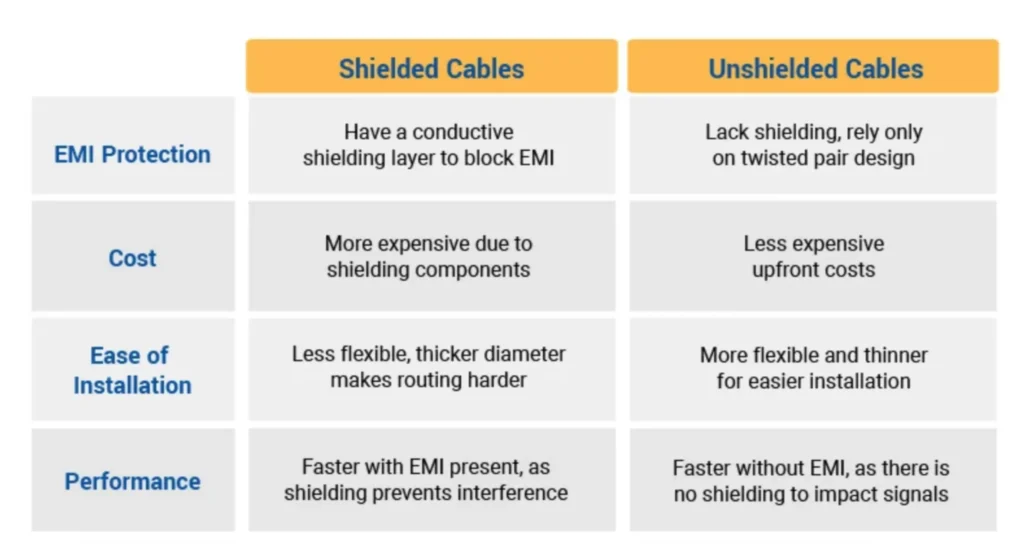
2. Shielded vs. Unshielded Cables (UTP vs. STP)
Inside an Ethernet cable, copper wires are twisted together to reduce electromagnetic interference (EMI). Depending on your environment, you can choose between two main types:
- UTP (Unshielded Twisted Pair): Contains no metal foil shielding. It is thin, highly flexible, inexpensive, and perfect for almost all home setups.
- STP / FTP (Shielded / Foiled Twisted Pair): Features metal foil or braided shielding surrounding the internal wire pairs. It protects against severe electrical noise (e.g., cables running alongside heavy electrical power lines or inside factory floors).
Rule of Thumb: Unless you are running cables directly alongside high-voltage power lines inside walls, standard UTP is more than adequate for home and office environments.
3. Key Hardware Details to Look For
When shopping, keep an eye on these physical specs to ensure long-term durability:
- Bare Copper vs. CCA (Copper-Clad Aluminum): Always purchase Pure Bare Copper cables. Avoid cheaper CCA cables—they have higher resistance, heat up faster under Power-over-Ethernet (PoE), and snap easily when bent.
- RJ45 Connectors: Ensure the cable uses standard RJ45 plugs with 50-micron gold-plated contacts to prevent oxidation over time.
- Cable Form Factor:
- Round Cables: Standard design, best for overall performance, durability, and longer runs.
- Flat Cables: Great for running under carpets or along baseboards, though slightly less resistant to heavy interference over long distances.
- Round Cables: Standard design, best for overall performance, durability, and longer runs.
Summary: Quick Recommendation Checklist
- Everyday Home & Gaming Setup: Get a Cat6 UTP Pure Copper patch cable. It is cheap, highly flexible, and supports up to 10 Gbps at short lengths.
- New House / In-Wall Cabling: Go with Cat6a UTP/FTP (Solid Copper) to future-proof your home for 10 Gigabit speeds over the next decade.
- Power over Ethernet (PoE / Security Cameras): Choose Cat6 Solid Bare Copper (23 AWG or 24 AWG) to minimize power loss and heat build-up.
منتجات ذات صلة
-

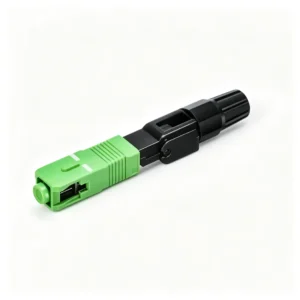
SC APC Fast Assembly Fiber Connector, Pre-Polished Ferrule Single Mode Field Termination Connector
$1.62 هناك العديد من الأشكال المختلفة لهذا المنتج. يمكن اختيار الخيارات على صفحة المنتج -
Duplex OM2 Multimode Fiber Patch Cord LC‑UPC to SC‑UPC, LSZH Jacket High‑Bandwidth Transition Optical Jumper for Data Center LAN Cabling
نطاق السعر: من $3.09 خلال $7.35 هناك العديد من الأشكال المختلفة لهذا المنتج. يمكن اختيار الخيارات على صفحة المنتج -
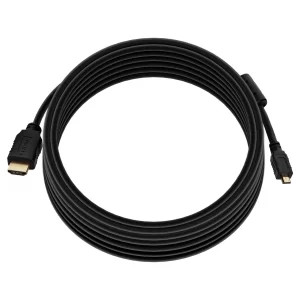
كابل HDMI عالي السرعة مع موصل HDMI مايكرو - 4K@60Hz HDR 18Gbps 5M أسود
$9.90 -
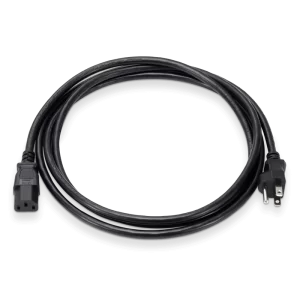
سلك تمديد طاقة 2.5 متر، من NEMA 5-15P إلى C13، قياس 16AWG، 13 أمبير / 125 فولت، أسود
$7.99 -
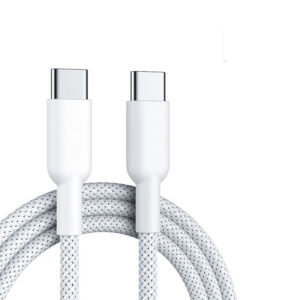
كابل شحن USB-C أبيض، بقوة 60 واط (3 أمبير) بتقنية توصيل الطاقة (PD)، بستر مزدوج الطبقات من النايلون المجدول/TPE، سلك شحن USB C متين، كابل شحن لأجهزة الكمبيوتر المحمولة USB 2.0
نطاق السعر: من $4.99 خلال $8.99 هناك العديد من الأشكال المختلفة لهذا المنتج. يمكن اختيار الخيارات على صفحة المنتج -
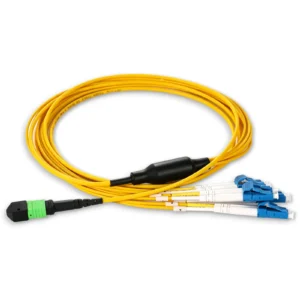
8 Cores OS2 Single Mode MPO APC Female to 4 LC UPC Duplex Breakout Fiber Patch Cord Type B 2.0mm LSZH Yellow Fiber Optic Cable
نطاق السعر: من $21.62 خلال $34.88 هناك العديد من الأشكال المختلفة لهذا المنتج. يمكن اختيار الخيارات على صفحة المنتج -
OM5 Duplex Fiber Patch Cord LC UPC‑LC UPC, 50/125μm Multimode LSZH Jacket, 40G‑100Gbps, 1M-10m Custom Length
نطاق السعر: من $3.97 خلال $12.55 هناك العديد من الأشكال المختلفة لهذا المنتج. يمكن اختيار الخيارات على صفحة المنتج -
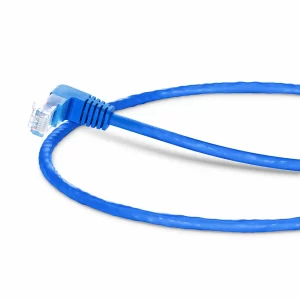
كابل شبكة إيثرنت (Cat6 26AWG U/UTP PVC CM) بطرفين بزاوية 90 درجة، مانع للتشابك وغير محمي، من RJ45 بيمين الزاوية إلى RJ45 ذكر
نطاق السعر: من $2.52 خلال $15.30 هناك العديد من الأشكال المختلفة لهذا المنتج. يمكن اختيار الخيارات على صفحة المنتج